









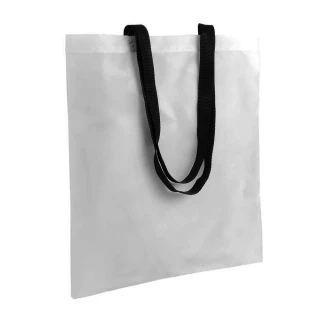


-320x320.webp "Cotton bag with bottom gusset")
-320x320.webp "Cotton bag with bottom gusset")
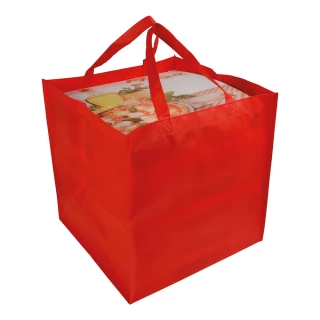
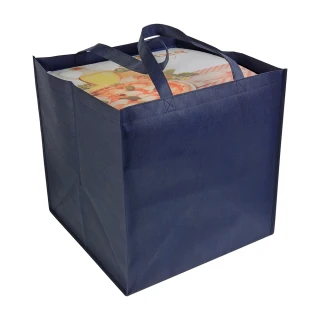
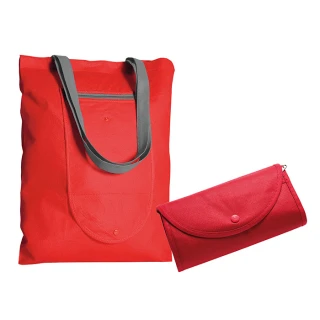

Why choose personalised shopping bags, carrier bags and tote bags: technical and strategic evaluation
Custom printed shopping bags and branded carrier bags are not merely transport solutions, but a structural element of corporate packaging. Their effectiveness depends on the balance between material, paper weight or thickness, handle system and printing technique, variables that directly influence mechanical resistance, durability over time and overall brand perception.
A choice not proportionate to the weight of the contents or the conditions of use may result in tearing, deformation or loss of perceived quality. Conversely, a technically coherent selection based on objective parameters ensures operational reliability and consistent brand communication.
Compatibility between substrate and printing method is equally decisive: screen printing ensures strong coverage on kraft paper and fabric, flexographic printing is suitable for large print runs on paper, hot foil stamping enhances premium substrates, while offset printing guarantees high colour precision on smooth surfaces. An incorrect combination may compromise definition and long-term durability of the customisation.
Technical comparison between materials and structural characteristics
The table below summarises the main operational differences between the available types of personalised shopping bags, facilitating a comparative evaluation based on load capacity, reuse and context of application.
| Material | Paper weight / Thickness | Indicative load capacity | Reusability | Moisture resistance | Ideal sector |
|---|---|---|---|---|---|
| Kraft paper | 80–210 gsm | 3–7 kg* | Low / Medium | Limited | Retail, boutiques, events |
| Plastic (HDPE / LDPE) | 60–100 microns | 5–12 kg* | Medium | High | Supermarkets, grocery retail, heavy loads |
| PP / R-PET | Reinforced structure | 8–15 kg* | High | High | Supermarkets, food retail |
| Cotton | 140–220 gsm | Medium* | High | Medium | Brand identity, ongoing promotion |
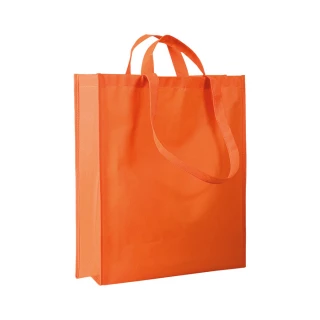
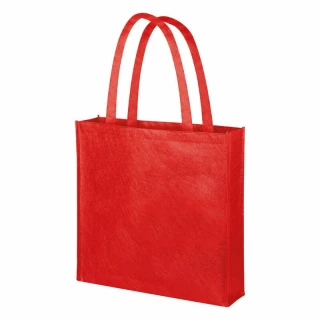
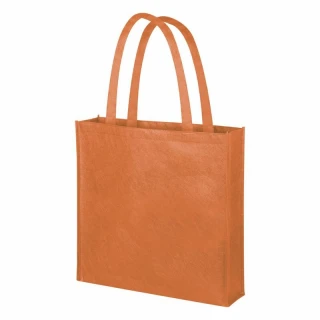
| Non-woven fabric | 80–120 gsm | Medium* | Medium | Medium | Trade fairs, events, large-scale distribution |
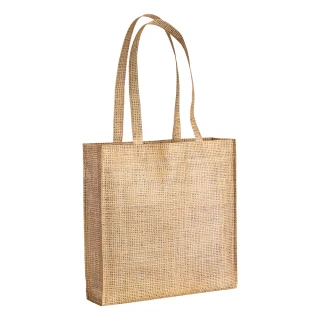
| Jute | Reinforced structure | Medium / High* | High | Good | Premium sectors, wine shops |
*Load capacity is indicative and depends on format, quality of glued joints or welded seams, and weight distribution.
Actual structural resistance is not determined solely by declared paper weight or thickness, but by the interaction between base, handles and filling method. Concentrated loads or sharp edges may reduce resistance compared to indicative values.
Objective selection criteria
- Average content weight – Determines required paper weight, thickness and handle system.
- Frequency of use – Occasional distribution or extended reuse require different structural solutions.
- Environmental conditions – Presence of moisture, transport distance and delivery method affect material choice.
A prior technical assessment reduces the risk of breakage and preserves perceived quality throughout the customer experience.
Focus on main materials
Kraft paper shopping bags – Suitable for retail and events. Higher paper weights improve rigidity and load stability.
Plastic shopping bags – Greater tear resistance and moisture protection; suitable for intensive operational use.
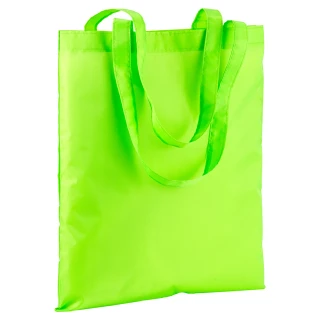
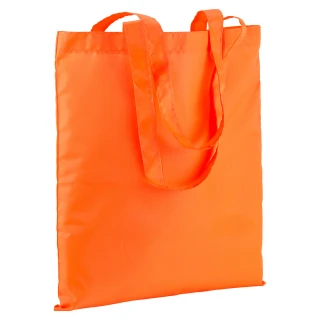
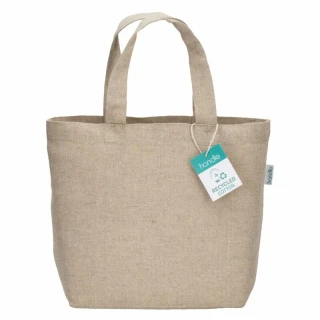
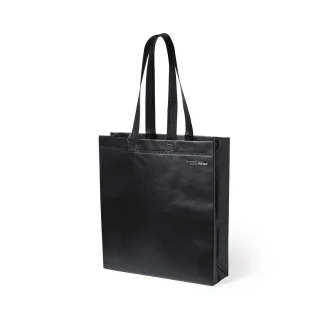
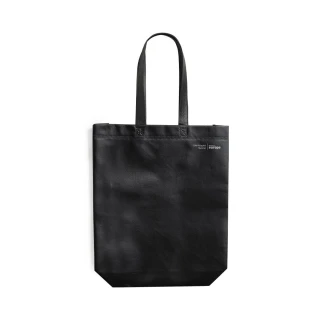
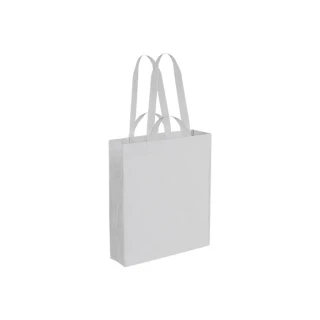
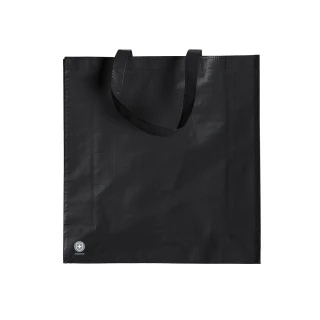
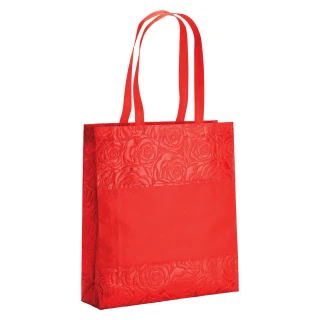
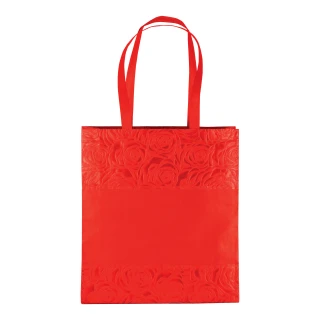
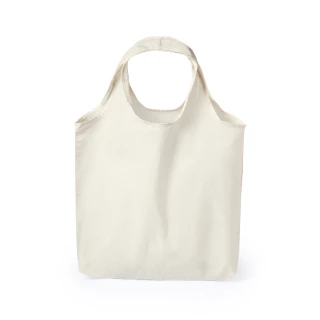
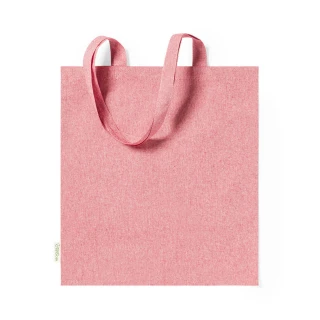
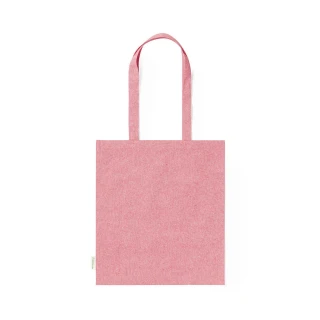
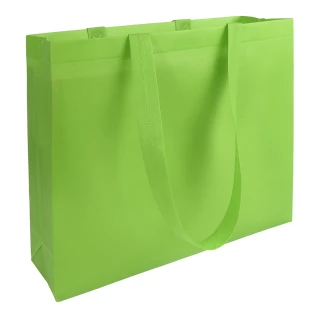
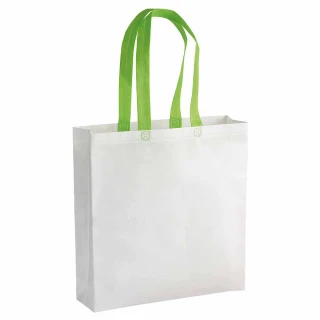
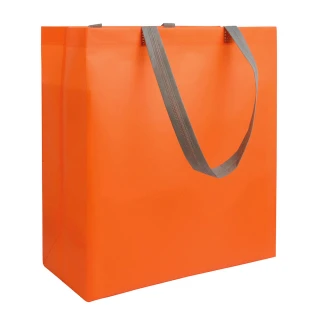
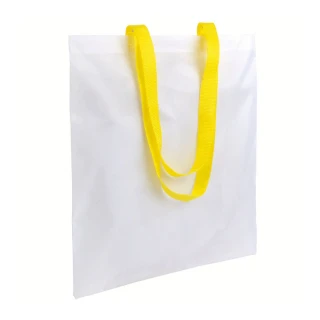
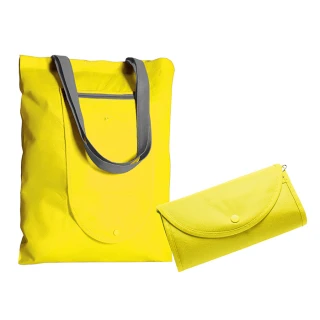
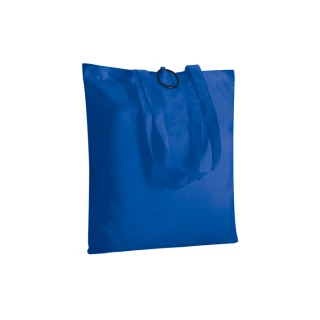
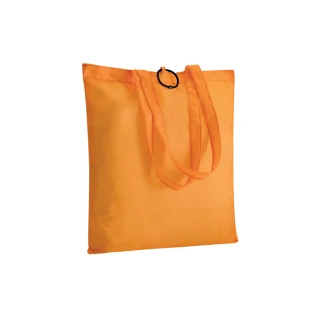
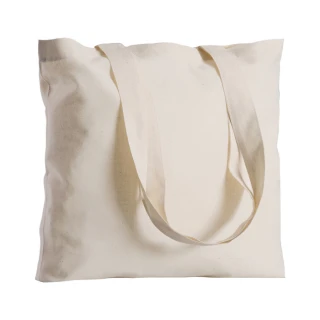
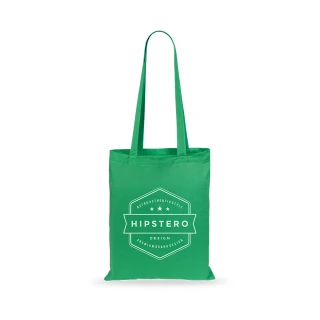
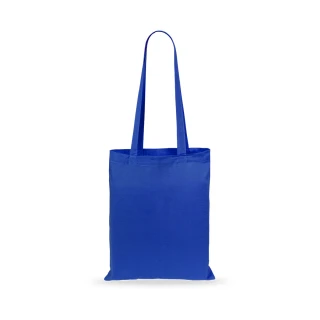
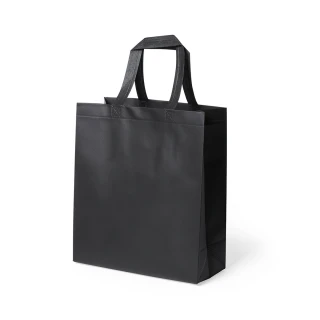
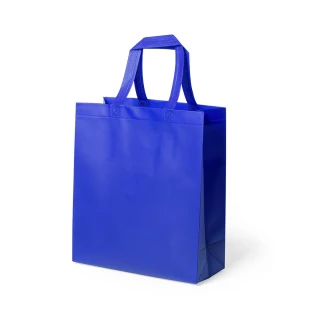
Fabric shopping bags – Designed for extended reuse; include solutions such as cotton tote bags, non-woven shopping bags and jute bags, each with specific characteristics in terms of resistance, reusability and perceived quality.
Food use and regulatory compliance
For food-related applications, materials must comply with Regulation (EC) No 1935/2004 and applicable EU and national food-contact material legislation. Resistance to grease, moisture and product temperature must be evaluated, particularly for hospitality, bakery and takeaway activities.
How to quickly select the most suitable custom shopping bags
- Lightweight products and fast distribution → kraft paper shopping bags.
- Medium loads and more refined brand image → high gsm paper carrier bags with twisted or rope handles.
- Heavy loads, moisture or intensive use → plastic shopping bags or structured PP reusable shopping bags.
- Customer loyalty, events and long-term reuse → reusable fabric tote bags.
- Bread, takeaway and food packaging → custom takeaway bags and paper bread bags compliant with applicable food contact regulations.
Related insights
- Carrier bags and paper bags: choosing the right size
- Retail packaging: how to choose the right size
- Packaging and unboxing: how they boost perceived brand value
- Logo printing techniques: how to choose
Coordinated custom branding solutions for businesses
Custom shopping bags and carrier bags are one of the central elements of corporate packaging and are part of a broader system of custom branded business supplies. To build a consistent and recognisable brand image across every customer touchpoint, they can be combined with other complementary categories in the Shop for Shop catalogue:
- Custom cardboard boxes – for shipping, e-commerce and product packaging
- Custom packaging and wrapping solutions – for coordinated packaging and product presentation
- Promotional products – for trade fairs, events and brand visibility
- Personalised clothing – for staff uniforms, retail environments and coordinated corporate identity
The integrated management of these categories ensures graphic consistency, compatible materials and continuity in business supplies, managed directly by Shop for Shop as a single supplier, without intermediaries, since 2006. In projects that coordinate several categories, a coordinated branded range across promotional products, clothing and packaging helps design shopping bags, cardboard boxes, packaging supplies and promotional products as parts of the same brand communication system.
Frequently asked questions about personalised shopping bags and carrier bags
What paper weight (gsm) should a paper shopping bag have for bottles or heavy products?
For products weighing more than 3–4 kg, a minimum paper weight of 120–140 gsm is recommended, combined with twisted or rope handles for more even load distribution. Paper weights below 80–90 gsm are suitable mainly for lightweight items and high-volume distribution. For loads above 5–6 kg, plastic shopping bags (HDPE/LDPE) or structured PP reusable shopping bags are a more appropriate choice.
Can custom printed paper bags be used for food packaging?
Yes, but only if the materials used comply with Regulation (EC) No 1935/2004 and applicable EU and national food-contact material legislation. Resistance to grease, moisture and product temperature must be assessed. For takeaway and food service use, specific solutions are available, including takeaway bags and kraft paper bread bags suitable for food contact use.
What is the difference between non-woven shopping bags and cotton tote bags?
Non-woven shopping bags generally have a weight of 80 to 120 gsm and are well suited to wide distribution contexts such as trade fairs and events, thanks to their lightness and practicality. They are not designed for intensive long-term reuse. Cotton tote bags, with weights typically between 140 and 220 gsm, offer greater durability, a higher perceived quality and are better suited to repeated use over time, making them a more effective tool for ongoing brand communication.
What is the minimum order quantity for custom printed shopping bags with logo?
Minimum quantities vary depending on the model and printing technique selected. For paper shopping bags, minimum orders can start from relatively small batches, while for fabric solutions such as cotton, non-woven or jute, minimum print runs may be higher. The online configurator allows you to check availability and get a quote based on the specific model chosen.
How much do custom printed shopping bags with logo cost?
Cost depends on material, format, paper weight or thickness, printing technique and quantity ordered. In general, paper shopping bags with simple print have a lower unit cost, while fabric solutions or bags with premium finishes require a higher investment. Order quantity directly affects the unit price: larger print runs reduce the cost per piece. The online configurator allows you to check pricing based on the specific model selected.
Do you send an artwork proof before production starts?
Yes. Before production starts, we always send a free artwork proof showing the logo positioning on the selected shopping bag or carrier bag, for review and approval. Production starts only after customer approval, to ensure control over the final result and consistency with brand identity.
What are the best custom printed shopping bags and carrier bags for shops, events and businesses?
There is no single best solution: custom printed shopping bags and carrier bags should be selected based on product weight, frequency of use, operating context and brand positioning. For lightweight retail and fast distribution, kraft paper shopping bags are often the most suitable option; for humid environments or heavy loads, plastic bags or structured PP reusable shopping bags are more appropriate; for long-term reuse and continuous brand visibility, fabric tote bags in cotton, non-woven and jute are the most effective choice.
Do you ship custom printed shopping bags outside Italy?
Yes. Shop for Shop ships to Italy, with free shipping for the domestic market, and to over thirty European countries. Shipping costs for each destination are shown directly at checkout, with competitive rates based on order weight and country of destination.
Configure the most suitable solution by selecting material, format and printing technique consistent with load, frequency of use and brand positioning.