



-320x320.webp "WORKTEAM double-layer softshell jacket")
-320x320.webp "WORKTEAM double-layer softshell jacket")
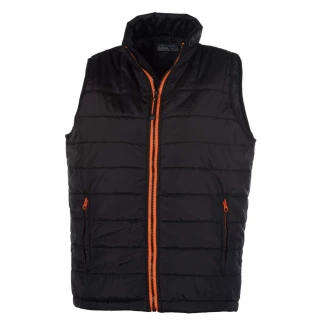
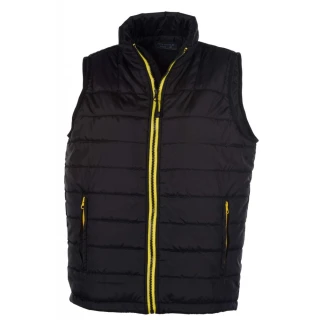
-320x320.webp "WORKTEAM reflective trim gilet")
-320x320.webp "WORKTEAM reflective trim gilet")
-320x320.webp "WORKTEAM detachable hood jacket")
-320x320.webp "WORKTEAM detachable hood jacket")
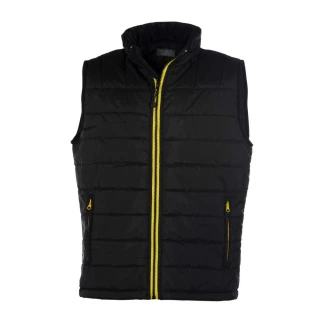
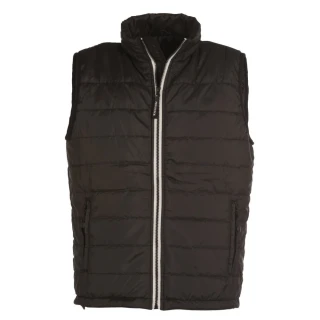


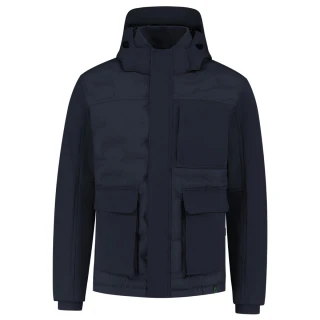
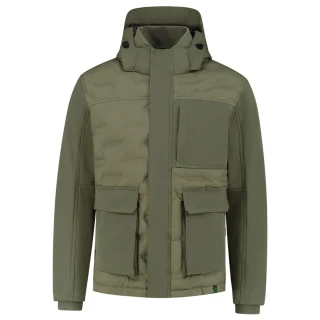
How to choose jackets, coats and gilets by context
The right model depends on how the garment will be used. For outdoor activities and mid-season use, softshell jackets and technical outerwear are often the best fit; for promotional events and dynamic staff, lightweight gilets work well; for winter, outdoor logistics and ongoing corporate clothing supplies, padded jackets or padded gilets are more suitable.
- Outdoor staff and retail teams – softshell jackets or smart gilets with a left chest logo, for recognisable staff and a professional appearance.
- Outdoor events and open-air fairs – lightweight gilets, windbreakers or technical jackets, easy to wear over other branded garments.
- Operational teams and light logistics – durable garments that allow movement and keep the logo away from seams, zips and pockets.
- Seasonal corporate clothing ranges – jackets and gilets coordinated with polo shirts, sweatshirts, shirts and accessories to maintain visual consistency in cooler months.
- Welcome kits and premium merchandise – more structured garments chosen for durability and perceived value compared with lighter promotional items.
Comparison of personalised jacket, coat and gilet models
The table below summarises the operational differences between the main garment types in this category, helping you choose by function, material, branding technique and context of use.
| Model | Main function | Typical materials | Suitable branding | Season / use | Best context |
|---|---|---|---|---|---|
| Lightweight gilet | Visibility and freedom of movement | Cotton, blends, technical fabrics | Embroidery, DTF on compatible garments | Mid-season / events | Outdoor fairs, external staff, promotions |
| Padded gilet / bodywarmer | Warmth without restricting the arms | Technical fabrics, synthetic padding | Embroidery, patch or print assessed by model | Autumn-winter | Logistics, outdoor reception, mobile staff |
| Softshell jacket | Technical protection and a smart look | Softshell, technical polyester | Embroidery, printing on compatible garments | Mid-season / outdoor | Operational teams, outdoor events, external staff |
| Jackets and coats | Protection and premium perception | Cotton, cotton-polyester blends, nylon | Embroidery or applied patch | Autumn-winter / outdoor use | Corporate clothing ranges, outdoor staff, premium merchandise |
| Windbreakers and technical outerwear | Lightness and protection | Light technical fabrics, nylon | Print or transfer on compatible surfaces | Outdoor / dynamic activities | Sporting events, seasonal promotions, active teams |
The final result depends on fabric composition, garment structure, seams, zips, pockets, logo position and the selected branding technique.
Materials: from cotton to technical fabrics, softshell and padding
Depending on the model, personalised jackets, coats and gilets can include garments in cotton or blended fabrics, nylon, softshell, technical fabrics and synthetic padding. Lighter garments and some gilets are often made from 100% cotton or cotton-polyester blends, offering comfort and natural wearability; models designed for outdoor use may use softshell and nylon, with wind-resistant or water-repellent features depending on the garment, while synthetic padding provides warmth without unnecessary weight. The composition of each garment should always be checked in the product sheet, because it affects comfort, protection, logo finish and branding technique.
Softshell is useful when you need a dynamic garment for mid-season and professional outdoor use. Cotton and blends remain a natural choice for lightweight gilets and lighter jackets worn close to the body. Padded garments, when present in the chosen model, increase warmth and the perceived quality of the clothing range.
On these materials, the branding method is particularly important: seams, zips, pockets, fabric thickness and fabric treatments can limit certain print areas. The logo should therefore be positioned proportionally and its technical compatibility checked before production.
Embroidery, printing and DTF on jackets, coats and gilets
Embroidery is often the most coherent option for personalised jackets, coats and gilets, especially for small or medium-sized logos on the chest, sleeve or another discreet position. It gives a neat, durable finish and suits garments intended for frequent use.
Screen printing can be considered on compatible surfaces, especially for simple logos and medium-to-large quantities, particularly on cotton models. DTF transfer printing and other digital transfer solutions may be useful for more detailed artwork, but they should always be assessed according to the fabric, surface and logo position.
On technical, padded or treated garments, branding must be defined carefully: artwork that is too large, a position over seams or an unbalanced logo size can reduce the final quality. This is why a free artwork proof before production is essential.
Logo position: left chest, back, sleeve and coordinated details
The logo position changes how the garment communicates. A logo on the left chest is discreet, professional and suitable for staff, reception and retail teams. Branding on the back increases visibility at outdoor events, fairs and operational activities. The sleeve or back neck can be used for coordinated details, especially when the garment is part of a wider branded clothing range.
- Left chest – ideal for a professional, neat and recognisable appearance.
- Back – more visible at outdoor events, for operational teams and promotional activities.
- Sleeve – suitable for secondary logos, sponsors or coordinated supply details.
- Back neck – a discreet option to reinforce the brand identity without overloading the garment.
Mistakes to avoid when choosing personalised jackets and gilets
The main risk is choosing a garment only by price or colour, without assessing how it will actually be used. A gilet that is too light for winter, a jacket that is too technical for an indoor event or a logo placed on an unsuitable area can reduce the effectiveness of the clothing range.
- Ignoring the season – the garment must match the weather, environment and expected duration of use.
- Choosing an incompatible branding technique – technical fabrics do not all respond in the same way to printing, embroidery or transfer.
- Using artwork that is too large – on jackets and gilets, the logo must respect seams, zips, pockets and garment structure.
- Forgetting about layering – outerwear is often worn over polo shirts, shirts, T-shirts or sweatshirts: colours and logo placement must remain coordinated.
- Skipping the artwork proof – a visual proof helps check proportion, position and consistency before production.
Jackets and gilets in a coordinated corporate clothing range
Jackets and gilets are particularly effective when they are not treated as isolated garments. In a complete supply, they can work with sweatshirts and fleeces for cooler seasons, with polo shirts and shirts for staff, with T-shirts and tank tops for seasonal events, and with accessories such as caps, neck warmers and gloves.
The same visual identity can also extend to promotional products, custom shopping bags, custom cardboard boxes and packaging supplies, especially when the project involves events, corporate kits, welcome packs, merchandise or seasonal branded supplies.
Frequently asked questions about personalised jackets, coats and gilets
What is the difference between a jacket, a softshell jacket and a personalised gilet?
A jacket or coat offers more protection in cooler seasons; a softshell jacket is more technical and suitable for wind, movement and outdoor activities; a gilet leaves the arms free and works well for outdoor staff, events, light logistics and seasonal clothing ranges. The right choice depends on climate, duration of use and the role of the wearer.
Which branding technique is best for personalised jackets and gilets?
Embroidery is often the most suitable option for small or medium-sized logos on the chest, sleeve or left chest area, because it gives a neat and durable finish. Screen printing, DTF or other printing techniques can be assessed on compatible garments, depending on fabric, surface, quantity and artwork complexity.
Which materials are available for personalised jackets, coats and gilets?
Depending on the model, the category may include garments in cotton or blends, nylon, softshell and technical fabrics, as well as synthetic padding for warmer garments. Cotton and blends offer comfort and breathability; softshell and nylon can add wind-resistant or water-repellent features. The composition of each garment should always be checked in the product sheet.
Can technical, softshell or padded garments be personalised?
Yes, but the branding technique must be assessed according to the garment structure. On softshell, technical fabrics and padded garments, it is important to choose a stable position, avoid oversized artwork over seams or stretch areas, and check the most suitable solution before production.
Where should the logo be placed on jackets, coats and gilets?
The most common positions are left chest, chest, sleeve and back. The left chest is suitable for a professional and discreet look; the back offers greater visibility at events and outdoor activities; the sleeve or back neck can be used for coordinated details.
Should I choose jackets and gilets or sweatshirts and fleeces?
Sweatshirts and fleeces are ideal for comfort, everyday use and cooler seasons; jackets, coats and gilets are more suitable when you need outdoor protection, staff recognition outside and a stronger visual presence in seasonal clothing ranges. The two categories often work well together.
What is the minimum order quantity and is an artwork proof included?
The minimum order quantity is 5 pieces, as for the personalised clothing category. Before production, we always provide a free artwork proof showing the logo position on the chosen garment: embroidery or printing starts only after customer approval.
With Shop for Shop, you can choose personalised jackets, coats and gilets according to season, use, material and logo position. Our support helps you identify the most suitable garment, the safest branding technique and a combination that remains consistent with the rest of your corporate clothing range.