


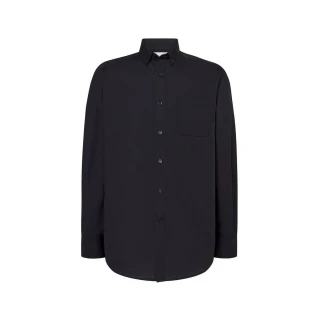
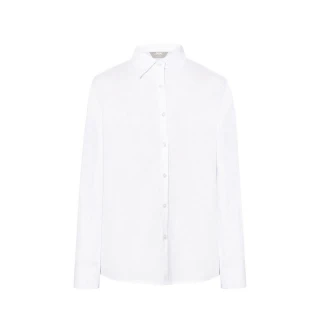
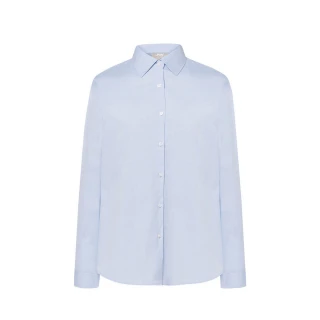
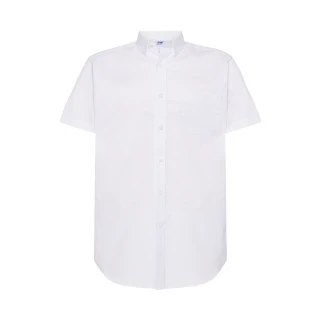
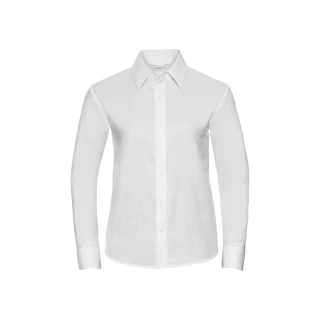
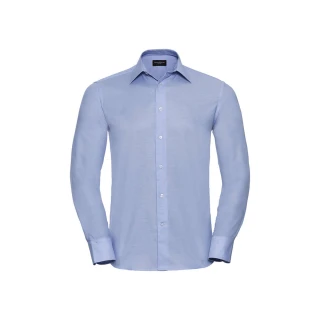
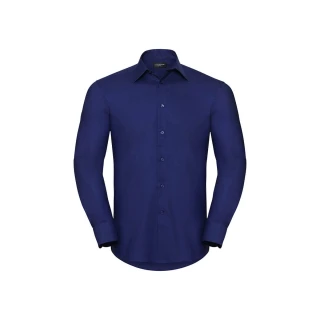
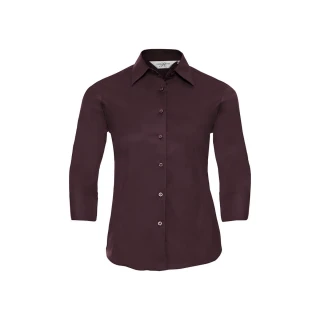
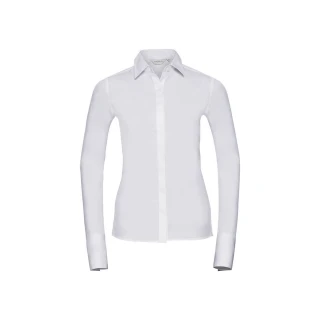
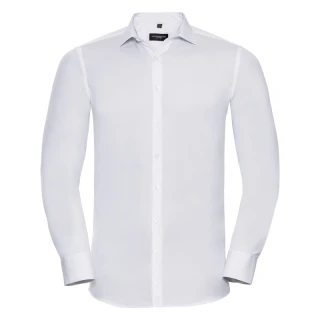
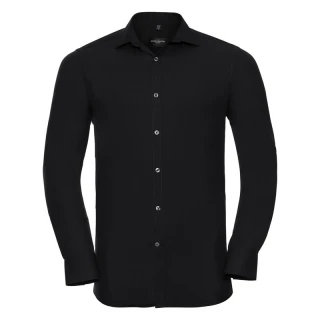
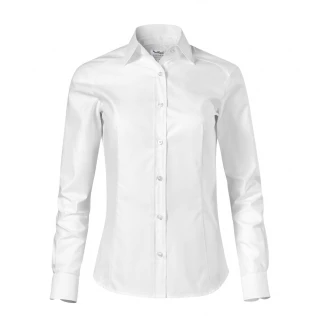
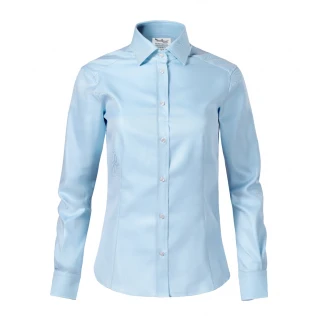
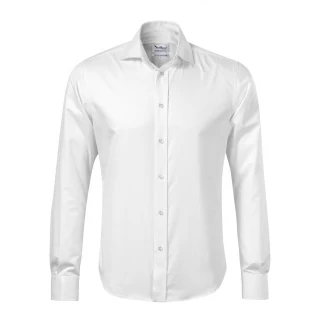
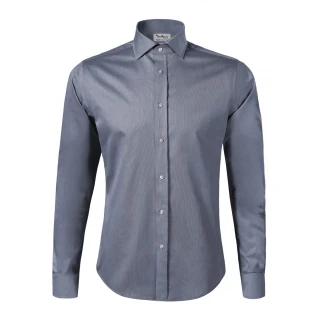
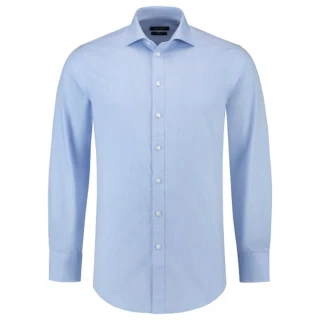
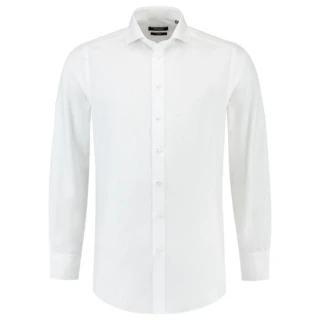
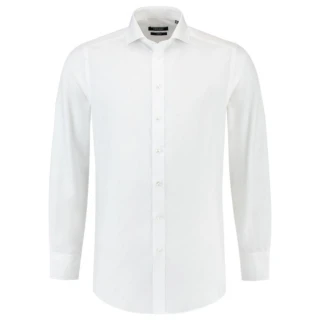
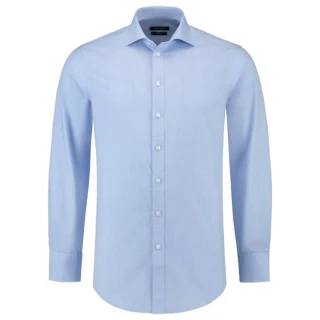
Personalised shirts: styles, collars and personalisation techniques for staff, events and company uniforms
A personalised shirt works when the garment matches its real use. A reception service needs a tidy, repeatable image; a client-facing event calls for a formal, well-finished garment; an operational or trade-show context favours practicality, short sleeves and personalisation that withstands frequent washing. Style, fabric and technique should be chosen together, based on context.
How to choose a personalised shirt based on context
- Reception, front-of-house and welcome desk – poplin shirts with a clean cut and the logo embroidered on the left chest for an understated, polished image.
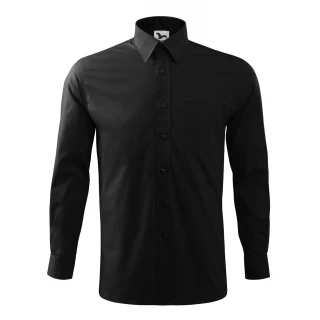
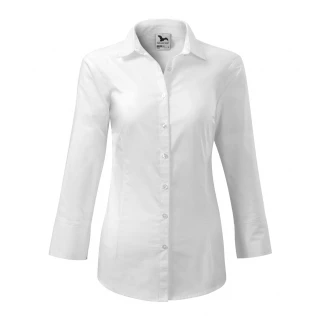
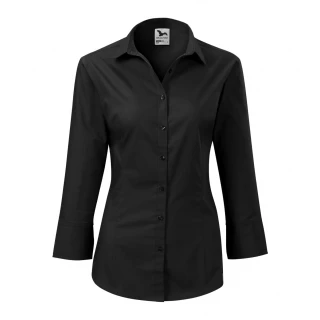
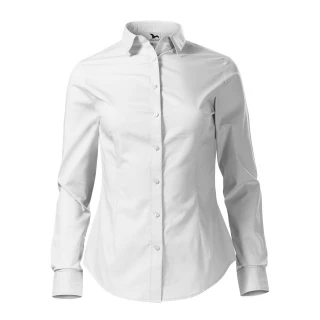
- Client meetings and corporate events – smart long-sleeve shirts with a classic collar, ideal for a polished, coordinated look.
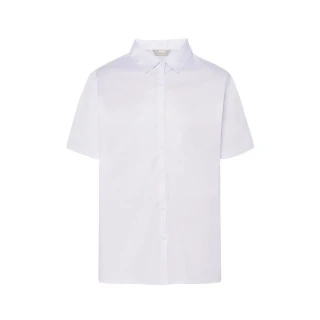
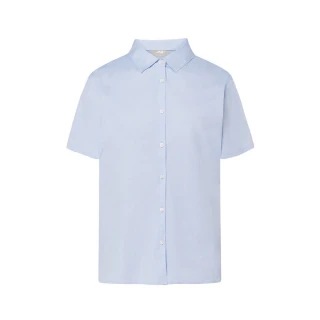
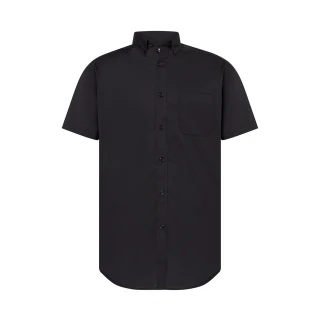
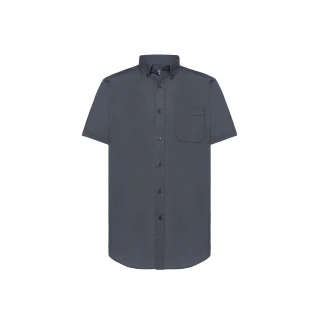
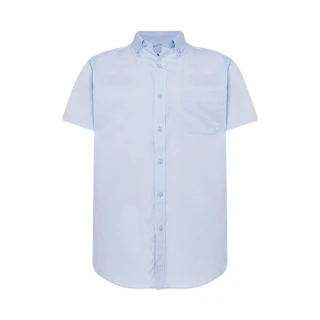
- Trade shows, stands and promotional activities – short-sleeve shirts, comfortable and recognisable, with the logo clearly visible on the chest or, where present, the pocket.
- Retail, shops and hospitality – practical, hard-wearing shirts for customer-facing staff, coordinated with the rest of the uniform.
- Teams and company clothing orders – uniform garments for the whole team, with consistent personalisation across the entire order.
Comparison of styles, materials and uses for personalised shirts
The table below helps you weigh up the main practical choices: style, material and personalisation technique all affect how the logo reproduces and the overall look of the garment.
| Type | Main function | Typical materials | Indicative weight | Suitable techniques | Ideal context |
|---|---|---|---|---|---|
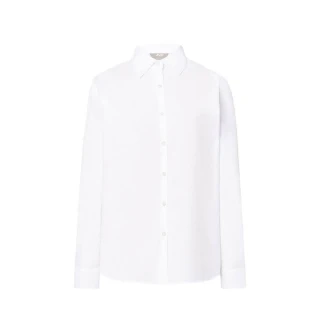
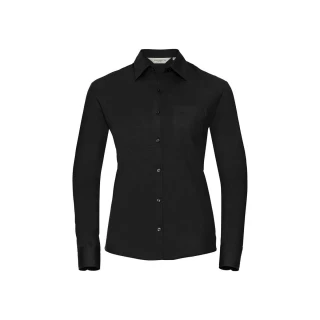
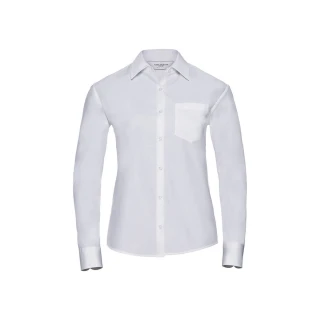
| Poplin shirt | Versatile staff image | Cotton-polyester | Light / medium | Embroidery, screen printing, digital printing on compatible garments | Reception, trade shows, staff uniform orders |
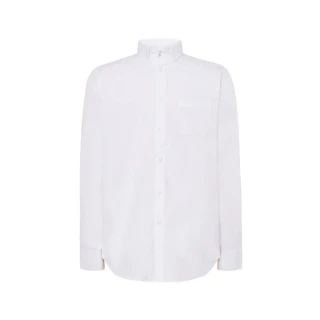
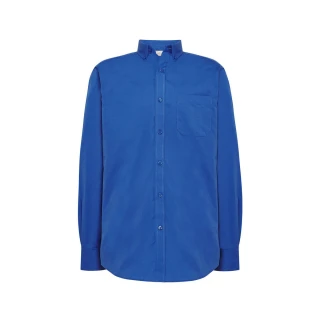
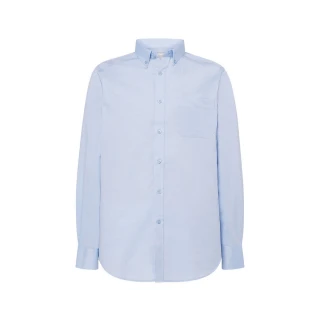
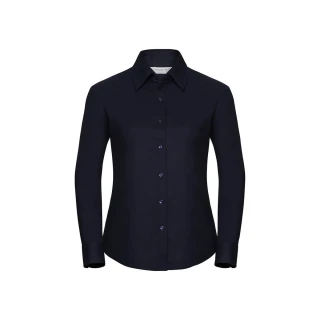
| Oxford shirt | Classic, hard-wearing look | Structured cotton-polyester | Medium | Embroidery, screen printing | Everyday use, client-facing roles |
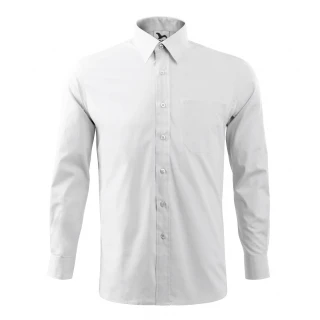
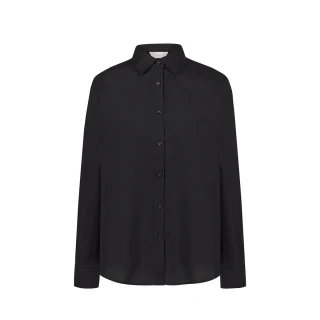
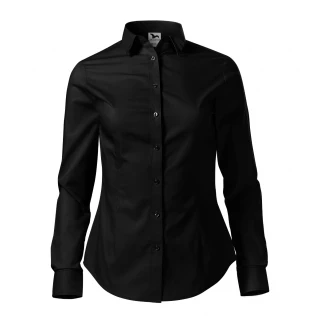
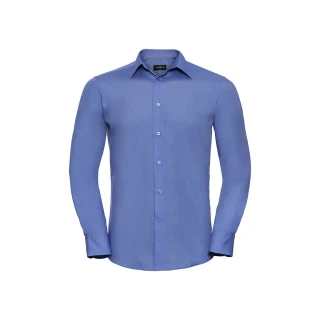
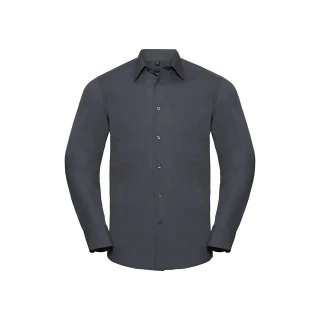
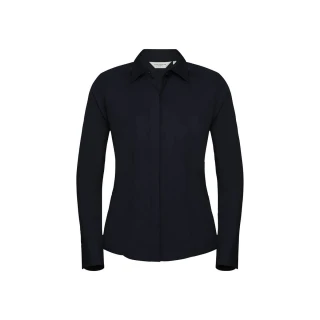
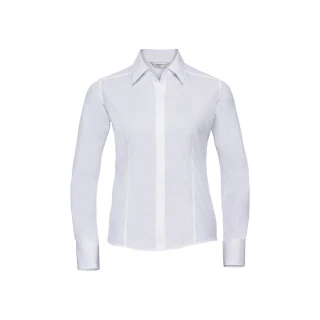
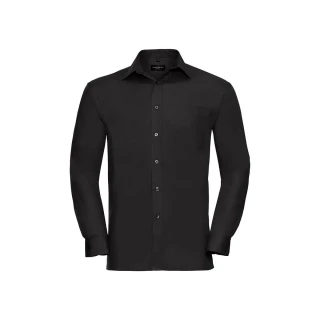
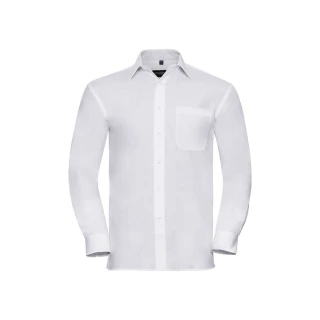
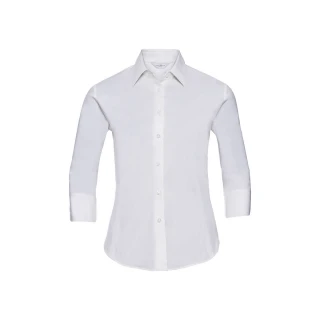
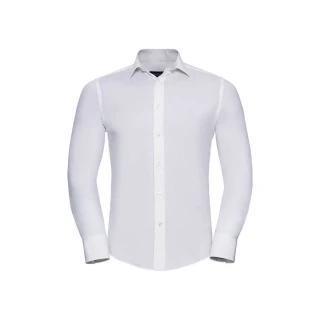
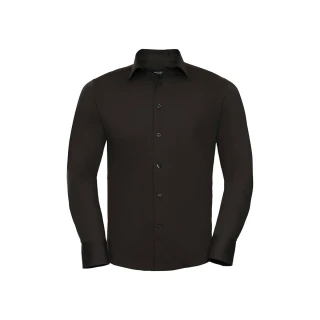
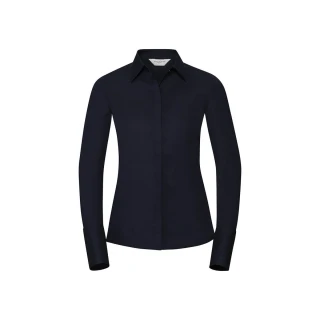
| Long-sleeve shirt | Formality and elegance | Cotton-polyester | Medium | Embroidery, screen printing | Meetings, events, formal settings |
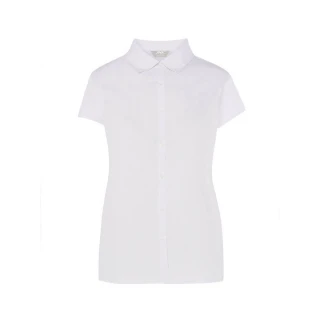
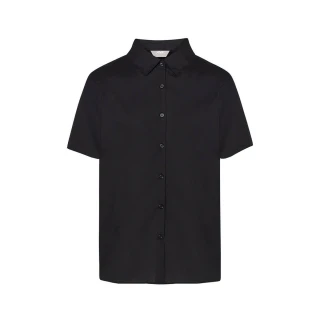
| Short-sleeve shirt | Practicality and freshness | Cotton-polyester | Light / medium | Embroidery, screen printing, digital printing on compatible garments | Warmer months, trade shows, retail |
| Stretch shirt | Comfort and movement | Cotton with elastane | Medium | Embroidery, screen printing | Extended wear, operational staff |
Embroidery is the main technique for shirts; direct-to-garment (DTG) printing is recommended only on compatible garments. The final result depends on fabric composition, garment colour, logo size, placement and the chosen personalisation technique.
Shirt fabrics: comfort, durability and logo finish
The material affects comfort, durability and personalisation quality. The cotton-polyester blend is the most common base for business shirts: it holds its shape through frequent washing, irons easily and gives a good logo finish – valuable qualities for staff uniforms worn every day. Poplin is smooth and lightweight, ideal for a tidy image; oxford, with its more pronounced weave, is more structured and hard-wearing. For greater freedom of movement, some styles are stretch, thanks to a small percentage of elastane.
Collars and fit: the detail that makes the difference
The collar defines the character of a shirt and should be chosen according to the image you want:
- Italian collar (semi-spread) – balanced and understated, equally at home with or without a tie.
- Cutaway (spread) collar – refined and modern, suited to a more formal style.
- Button-down collar – with buttoned tips, ideal for a tidy but less rigid look, typical of front-of-house roles.
Printing and embroidery on shirts: embroidery, screen printing and digital printing
On shirts, embroidery is often the best choice: the structured fabric holds the thread well and produces an elegant logo that lasts over time, ideal on the left chest or, where present, the pocket. The other techniques remain valid depending on quantity and graphics:
- Embroidery – a refined, durable finish, perfect for well-defined logos and lettering; the most suitable solution for reception and customer-facing roles.
- Screen printing – cost-effective for medium-to-high runs with solid-colour logos, with good colour rendering and durability.
- Direct-to-garment (DTG) printing – useful for complex or multi-colour graphics on compatible garments, with high detail fidelity.
Logo placement: chest area, left chest and cuff
On a shirt, personalisation favours understated, professional positions:
- Chest area / left chest – the classic position for a discreet, institutional logo, ideal for staff and reception.
- Pocket, where present – useful for a logo or initials with a tidy effect.
- Cuff or collar – embroidered details for a refined, unobtrusive personalisation.
Coordinated supply with shirts, polo shirts, promotional products and packaging
Personalised shirts can become part of a wider supply for staff, reception, events and client-facing roles. Paired with polo shirts, t-shirts, sweatshirts and promotional accessories, they help cover different roles and occasions with a consistent image. To build a consistent team image across reception, retail and events, our guide to branded workwear and visual identity can help.
For complete communication, you can combine shirts with promotional products, tote bags and shopping bags, custom cardboard boxes and packaging solutions, or explore the entire promotional clothing category.
Frequently asked questions about personalised shirts
Can shirts be personalised with an embroidered logo?
Yes. Embroidery is one of the most suitable techniques for shirts: the structured fabric holds the thread well and produces an elegant, wash-resistant logo, ideal on the left chest, the chest area or, where present, the pocket. For highly detailed or multi-colour logos, screen printing and digital printing can also be considered.
What is the minimum order quantity?
The minimum order is 5 units, as for all products in the clothing category. Before production we always send a free artwork proof showing the logo placement on the chosen style: personalisation only begins once you have approved it.
Embroidery, screen printing or digital printing on a shirt – which is best?
It depends on the logo and the quantity. Embroidery is the most refined and durable choice for well-defined logos and lettering, ideal for reception and corporate meetings. Screen printing is cost-effective for medium-to-high runs with solid colours. Direct-to-garment (DTG) printing is useful for complex or shaded graphics on compatible garments.
Are personalised shirts suitable for staff, reception and trade shows?
Yes. They are designed specifically for customer-facing staff: reception and front-of-house, events and business meetings, trade-show stands, shops and hospitality settings. A coordinated shirt with a logo gives the team a tidy, recognisable image that integrates with the rest of the company uniform.
How do you wash personalised shirts without damaging the logo?
We recommend washing at low temperatures with mild detergents. Embroidery is very resistant to frequent washing; for screen printing and digital printing it is best to wash the garment inside out to preserve the graphic over time.
Choose the personalised shirts best suited to your project: weigh up style, collar, fabric and personalisation technique, then configure your supply online with a free artwork proof before production.