

-320x320.webp "ATLANTIS Workouts Cap")
-320x320.webp "ATLANTIS Workouts Cap")
-320x320.webp "ATLANTIS 5 Panel Cap mod. Helpy")
-320x320.webp "ATLANTIS 5 Panel Cap mod. Helpy")
-320x320.webp "WORKTEAM Chef Hat Adjustable")
-320x320.webp "WORKTEAM Chef Hat Adjustable")
-320x320.webp "WORKTEAM Hair Net Cap with Visor")
-1-320x320.webp "WORKTEAM Hair Net Cap with Visor")
-320x320.webp "WORKTEAM High Visibility Vest with Reflective Stripes")
-320x320.webp "WORKTEAM High Visibility Vest with Reflective Stripes")
-320x320.webp "WORKTEAM adjustable kitchen bandana")
-320x320.webp "WORKTEAM adjustable kitchen bandana")
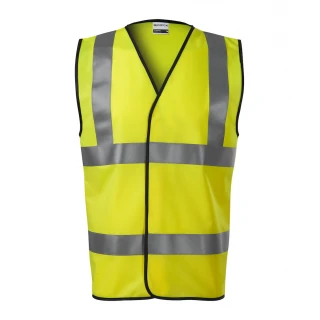
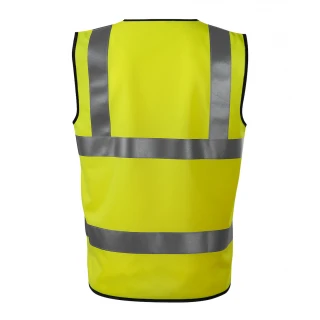
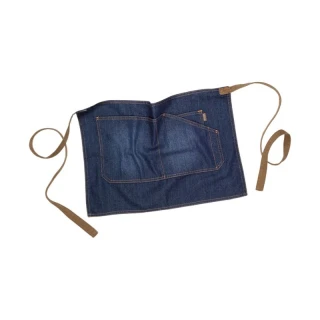
-320x320.webp "WORKTEAM Short French-Style Apron to personalise with logo")
-320x320.webp "WORKTEAM Short French-Style Apron to personalise with logo")
-320x320.webp "WORKTEAM High Visibility Vest")
-320x320.webp "WORKTEAM High Visibility Vest")
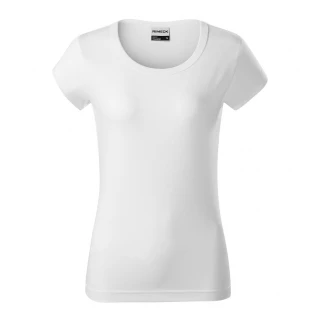
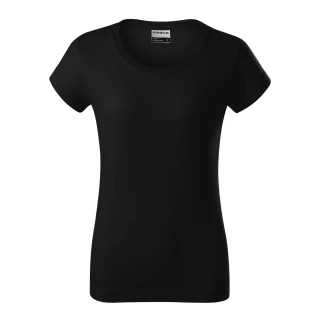
-320x320.webp "WORKTEAM French-Style Apron to personalise with logo")
-320x320.webp "WORKTEAM French-Style Apron to personalise with logo")
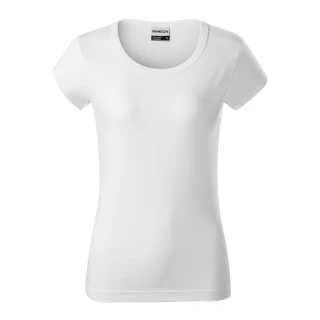
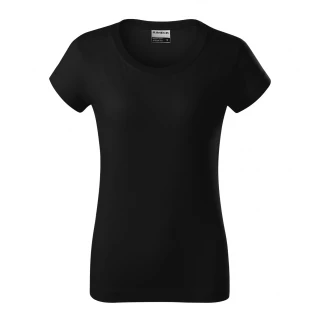
-320x320.webp "WORKTEAM Hi-Visibility T-shirt mod. Hi-Visibility")
-320x320.webp "WORKTEAM Hi-Visibility T-shirt mod. Hi-Visibility")
-320x320.webp "WORKTEAM High Visibility T-shirt mod. High Visibility")
-320x320.webp "WORKTEAM High Visibility T-shirt mod. High Visibility")
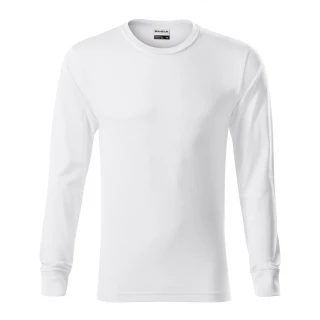
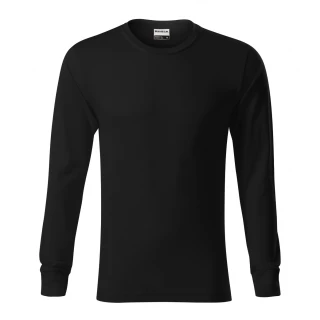
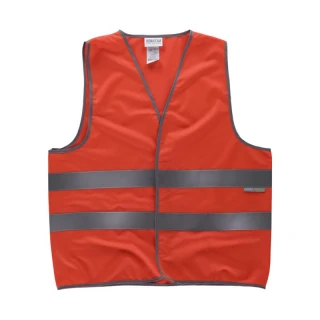
-320x320.webp "WORKTEAM Short Sleeve Tunic V-Neck")
-320x320.webp "WORKTEAM Short Sleeve Tunic V-Neck")
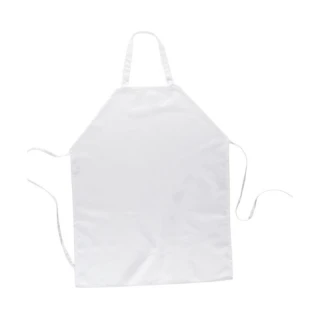
-320x320.webp "WORKTEAM Bib Apron 90x95 cm")
-320x320.webp "WORKTEAM Bib Apron 90x95 cm")
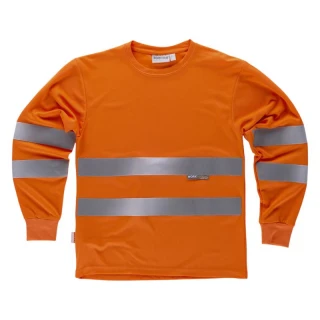
-320x320.webp "WORKTEAM long-sleeve t-shirt mod. High visibility")
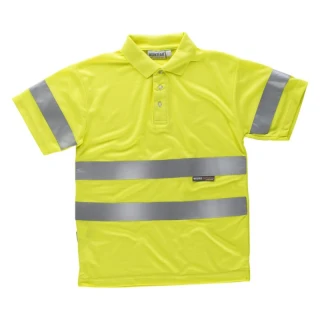
-320x320.webp "WORKTEAM High-Visibility Polo Shirt mod. High-Visibility")
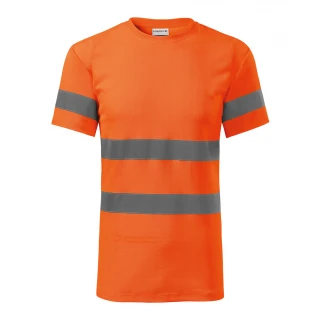
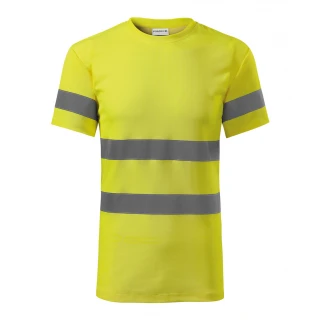
-320x320.webp "WORKTEAM Unisex Work Trousers")
-320x320.webp "WORKTEAM Unisex Work Trousers")
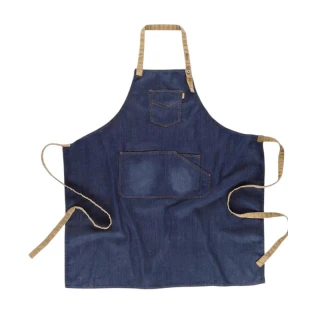
-320x320.webp "WORKTEAM Multitasche Shorts")
-320x320.webp "WORKTEAM Multitasche Shorts")
-320x320.webp "WORKTEAM Work Trousers mod. Services")
-320x320.webp "WORKTEAM Work Trousers mod. Services")
-320x320.webp "WORKTEAM Women's Straight-Leg Trousers")
-320x320.webp "WORKTEAM Women's Straight-Leg Trousers")
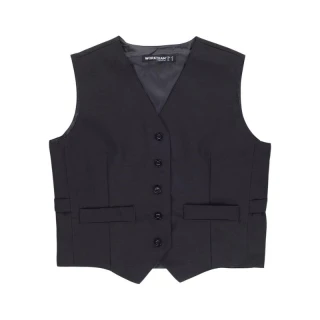
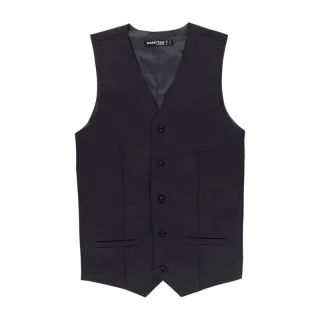
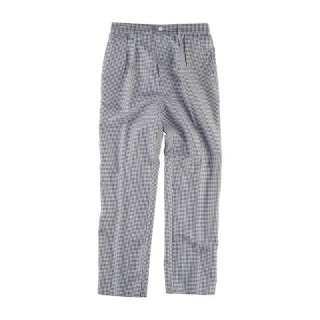
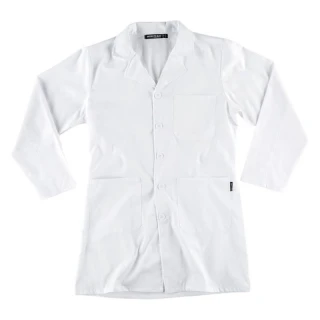
-320x320.webp "WORKTEAM Work Trousers Multi-pocket Model")
-320x320.webp "WORKTEAM Work Trousers Multi-pocket Model")
-320x320.webp "WORKTEAM Lightweight Multi-Pocket Vest")
-320x320.webp "WORKTEAM Lightweight Multi-Pocket Vest")
-320x320.webp "WORKTEAM men's trousers straight-leg")
-320x320.webp "WORKTEAM men's trousers straight-leg")
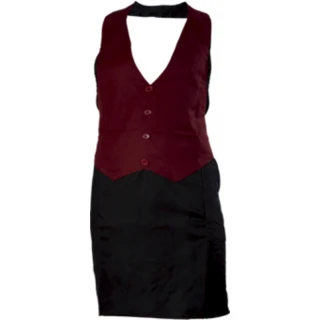
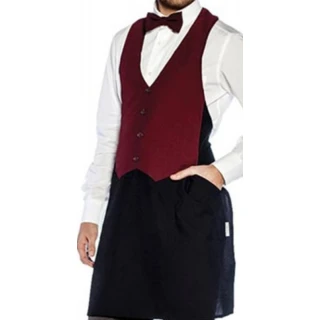
-320x320.webp "WORKTEAM short-sleeved chef jacket")
-320x320.webp "WORKTEAM short-sleeved chef jacket")
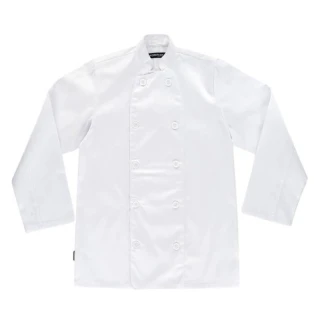
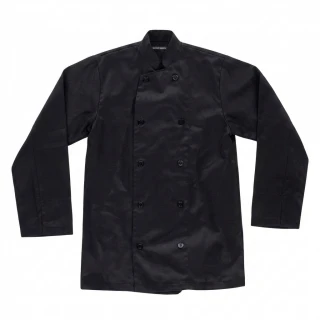
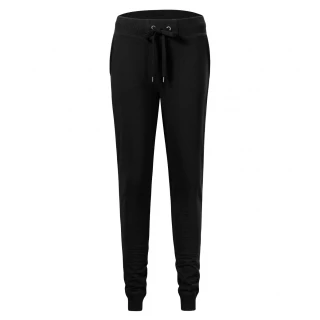
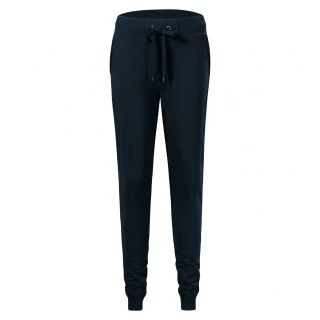
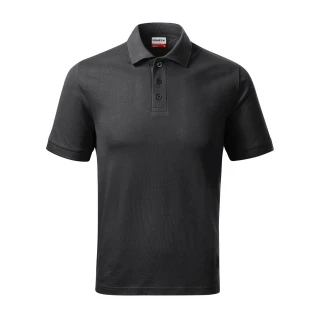
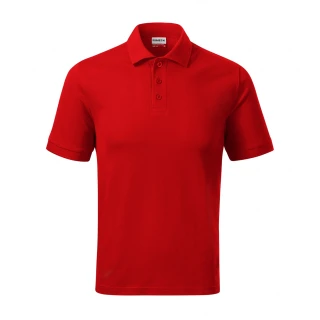
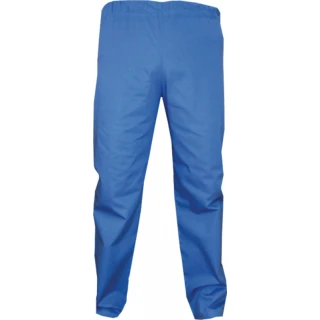
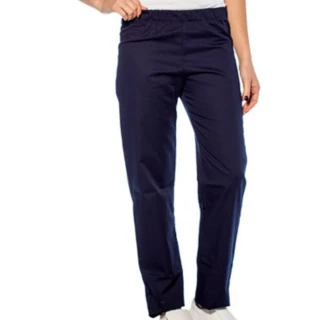
-320x320.webp "Short-sleeve Chef Jacket WORKTEAM")
-320x320.webp "Short-sleeve Chef Jacket WORKTEAM")
-320x320.webp "WORKTEAM Chef Jacket Korean Collar Long Sleeve")
-320x320.webp "WORKTEAM Chef Jacket Korean Collar Long Sleeve")
-320x320.webp "WORKTEAM Work Jacket and Trousers Set")
-320x320.webp "WORKTEAM Work Jacket and Trousers Set")
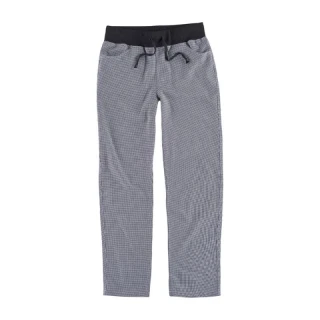
-320x320.webp "WORKTEAM High Visibility Trousers mod.")
-320x320.webp "WORKTEAM High Visibility Trousers mod.")
Which workwear is right for each profession?
The right garment is one that fits the real job. Profession and garment type should be considered together: kitchen staff have different requirements from maintenance teams, beauty therapists or hotel reception staff. A logo makes the team recognisable, but function, fit and care remain the primary selection criteria.
Bars, restaurants, kitchens and hotels
In hospitality, it helps to distinguish between kitchen, counter, table service and front-of-house roles. Chef jackets and kitchen headwear identify food preparation staff; aprons and trousers are versatile choices for counter and table service; and shirts, waistcoats and jackets create a coordinated appearance for reception teams, waiting staff, hosts and stewards. Different roles can wear different garments while retaining shared brand colours and logo rules, so the kitchen, dining area and reception feel part of the same visual identity.
Cleaning, maintenance and mechanical work
For operational roles, consider freedom of movement, fabric construction, pocket number and position, season and laundering frequency. Work trousers, bib and brace overalls and coveralls provide practical coverage, while gilets, bodywarmers and jackets add pockets and flexible layering. To complement the clothing supplied to maintenance staff and technicians, our personalised tools and hardware range connects with the same audience without replacing any equipment assessment required for the job.
Beauty salons, medical teams and customer-facing practices
Lab coats, tunics, coordinated sets and aprons can help beauty salons, practices and clinics present a consistent team. Choose according to fit, freedom of movement, composition and care instructions. Where specific hygiene, clinical or workplace protocols apply, confirm that the selected garment is compatible: adding a logo does not give clothing protective, clinical or medical properties. For medical practices and laboratories, cotton or polycotton coats may be considered where their product specification and care label suit the required laundering process. Embroidery can provide a smart branded finish when it is compatible with the garment.
Comparison of the main personalised workwear types
This table summarises the practical differences between the garment families available through the filters. Always confirm the selected product's fabric, branding compatibility, care instructions and intended use on its individual product page.
| Garment type | Primary purpose | Typical roles | Common fabrics | Personalisation to consider |
|---|---|---|---|---|
| Work aprons | Clothing coverage and staff identification | Bars, restaurants, kitchens, beauty salons | Cotton, polyester, polycotton | Embroidery, screen printing or compatible print |
| Work trousers | Mobility, coverage and practical storage | Maintenance, mechanics, cleaning, kitchens | Cotton, polyester, polycotton | Assess against pockets and usable branding areas |
| Lab coats and tunics | Role identification and clothing coverage | Medical, beauty, cleaning and food-service roles | Cotton, polyester, polycotton | Embroidery or print on a compatible area |
| Bib and brace overalls and coveralls | Broader coverage and operational practicality | Maintenance, mechanics and technical roles | Cotton or polycotton, depending on model | Compatible embroidery, screen print or transfer |
| Jackets, gilets and bodywarmers | Layering, pockets and comfort in cooler conditions | Hotels, maintenance, mechanics, hosts and stewards | Polyester or blended fabric, depending on model | Embroidery or print on compatible panels |
| High-visibility clothing | Improving wearer visibility in the specified context | Maintenance and roles exposed to an assessed risk | Mainly polyester or blended fabric | Only in areas that do not affect garment performance |
| Work headwear | Completing the uniform and identifying roles | Kitchens, hospitality and service teams | Polyester or blended fabric, depending on model | Compatible embroidery or print |
How to assess fabric, comfort and laundering requirements
Workwear may be worn for long shifts and washed regularly, so selection should take the full care cycle into account: comfort during the working day, fabric stability, care instructions, drying and the durability of the personalisation. Fibre composition alone does not determine performance; weight, construction and finishing can make two garments with similar fibre content behave differently.
- Indoor work and prolonged skin contact – assess comfort, breathability and fit.
- Frequent movement and operational tasks – check the cut, stress points, pockets and range of movement.
- Regular laundering – follow the temperature and treatment instructions on the garment label, together with any care guidance for the branding.
- Repeat orders – choose models, colours and personalisation methods that can support visual continuity across later supplies.
Custom workwear: when investing in quality really pays off examines how frequent use, laundering and garment life affect cost per wear and the value of a uniform supply over time.
Embroidery, screen printing and digital print for workwear
The personalisation method should be selected according to fabric, logo detail, position, order quantity and expected laundering:
- Embroidery – one of the more hard-wearing options for many structured garments, providing a smart finish on compatible coats, shirts, jackets, gilets and aprons.
- Screen printing – suitable for simple logos and medium-to-large orders, subject to the fabric and required care cycle.
- Direct-to-garment printing (DTG) or transfer – options for detailed or multicolour artwork on compatible garments, with the method selected to suit the fabric and design.
High-visibility clothing and garments with protective characteristics require model-specific assessment. Branding must not cover retroreflective tape, certification markings or functional areas. For a fuller explanation of methods, materials and limitations, see Logo printing techniques: how to choose.
High-visibility workwear: what to check before personalisation
High-visibility clothing needs more careful assessment than ordinary staff clothing. Some products in the range may state a particular standard and class on their product page. Selection must be based on the assessed risk, working environment and certified characteristics of the individual model, rather than fluorescent colour or retroreflective tape alone.
Place logos and text only in compatible areas, without covering tape, markings or functional surfaces. Personalisation does not turn a non-certified garment into personal protective equipment (PPE), nor does it replace a risk assessment or workplace safety guidance. Before ordering, check the model's stated class and standard, sizing, available branding area and manufacturer's instructions.
Personalised uniforms and a consistent staff identity
An effective uniform makes staff easy to identify and connects each role to the same company identity. This does not mean dressing everybody alike: kitchen, service, reception and maintenance teams can wear different garments while sharing logo, colour and artwork rules. Consistency helps customers and guests recognise staff and creates a more considered presentation.
Define the permitted logo size, position, colour and variations for each fabric before production. Shop for Shop supplies a free artwork proof so the proposed position can be checked on the chosen garment. Read Branded workwear and visual identity: how to coordinate your staff for a role-by-role approach, and Custom Staff Uniforms: How Branded Workwear Strengthens Your Visual Identity for a broader guide to uniforms as a brand touchpoint.
How workwear fits into a coordinated brand system
Professional clothing can be coordinated with the other physical touchpoints of a business. Hotels, restaurants, retailers, beauty salons and companies can align their uniforms with personalised promotional products, custom shopping bags, custom cardboard boxes and packaging supplies. For hospitality campaigns and food-related promotions, promotional aprons provide a related but separate option: they are intended as promotional products to distribute, not as a substitute for the operational work aprons in this category.
This connection is useful when the items share a practical brand role. A hotel may coordinate uniforms with welcome packs; a restaurant may align aprons, takeaway packaging and service materials; and a beauty salon may carry the same colours across clothing, bags and packaging. The guide Promotional products, clothing and packaging: how to create a coordinated branded range explains how to plan these touchpoints as one system.
Why choose Shop for Shop personalised workwear?
- Search by profession and garment type – dedicated filters help narrow the range to the relevant working context.
- A choice of fabrics – compare cotton, polyester and blended fabrics against comfort, use and care requirements.
- Product-specific personalisation – print or embroidery method and available area are assessed against the fabric, logo and garment construction.
- Free artwork proof – check logo position before production begins.
- Support for coordinated supplies – connect uniforms with promotional products, shopping bags and packaging within one visual system.
- Direct experience since 2006 – support from product selection through to delivery, with free shipping in Italy and competitive rates across more than thirty European countries.
Frequently asked questions about personalised workwear
Which garments are included in personalised workwear?
The category includes work aprons, lab coats, tunics, jackets, trousers, coveralls, bib and brace overalls, work headwear, gilets, bodywarmers, padded jackets and high-visibility clothing, with personalisation options for a logo, employee name or department. Products can be filtered by profession, garment type and fabric and, where available, by size and gender.
How do I choose a uniform for a particular profession?
Begin with the working environment and job role. Bars, restaurants and kitchens often use aprons, chef jackets, trousers and headwear; maintenance and mechanical teams may need trousers, bib and brace overalls, coveralls, jackets or bodywarmers; medical and beauty teams use coats and tunics; and hotels, hosts and stewards may require shirts, waistcoats and coordinated front-of-house garments. Always check the individual model's specification.
Which coats and tunics are suitable for medical practices, laboratories and beauty salons?
Cotton or polycotton coats may suit medical practices and laboratories where the individual garment's specification and care label meet the required laundering process. Beauty salons can consider tunics and coordinated garments that allow the necessary movement and present a tidy appearance. Where specific hygiene or clinical protocols apply, confirm the model's suitability: adding a logo does not give a garment medical, clinical or protective properties.
Is cotton, polyester or polycotton best for a work uniform?
It depends on the job. Cotton is often chosen for comfort and breathability; polyester is lightweight and common in technical and high-visibility garments; and polycotton combines cotton and polyester in one fabric. Weight, construction, fit, laundering frequency and job role matter as much as fibre composition, so check the product specification and care instructions.
Which personalisation method is most durable for workwear?
Embroidery is one of the more hard-wearing options for many structured workwear garments and provides a smart finish on compatible fabrics. Screen printing can suit simple logos and medium-to-large quantities, while direct-to-garment printing and transfers can be considered for detailed or multicolour designs on compatible garments. The right method depends on the fabric, logo, available area, quantity and care cycle.
Is all high-visibility clothing classed as personal protective equipment?
No. Fluorescent colour or retroreflective tape alone does not establish that a garment is PPE. Check the product page for any stated standard, class, marking and intended use. Logo placement must also respect the garment's functional areas: personalisation does not turn non-certified clothing into protective equipment.
Can personalised workwear withstand frequent washing?
It can when the garment, branding method and wash cycle are compatible. Fabrics and personalisation methods vary, so always follow the garment label and any care instructions supplied for the print or embroidery. Excessive temperatures or unsuitable treatments can shorten the life of both the fabric and the branding.
What is the minimum order quantity for personalised workwear?
Orders generally start from 5 items. The minimum quantity and most suitable branding method can vary by model, availability, logo and required personalisation. Product pages show the applicable minimum order and volume pricing, while specific requirements are confirmed in the quotation.
Can I request a sample before ordering uniforms for my team?
A single personalised garment is not normally available as a sample, but you can request a plain sample to check the material, size, fit and model details before confirming the full order.
How long does production take, and will I receive an artwork proof?
Standard production takes approximately 15 working days from artwork approval. For urgent orders, an express service with delivery in approximately 8 working days may be available, depending on the garment and personalisation. A free artwork proof showing the proposed logo position is supplied before production, and printing or embroidery begins only after customer approval.
Configure workwear for your team: use the filters for profession, garment type, style and fabric, compare the product specifications and choose personalisation suited to the job, wearer comfort and company identity.