

In brief
- Investing in quality workwear is worthwhile when garments are worn frequently and washed often.
- Fabric weight, material and branding technique determine the real lifespan of the garment.
- Well-made uniforms reinforce perceptions of order, reliability and professionalism.
Investing in high-quality custom workwear does not mean spending more, but choosing a solution that lowers long-term costs and strengthens a company's professional image in a concrete way.
If you are planning to renew your professional clothing for 2026, this guide explains when quality becomes a real competitive advantage, with practical and concrete criteria.
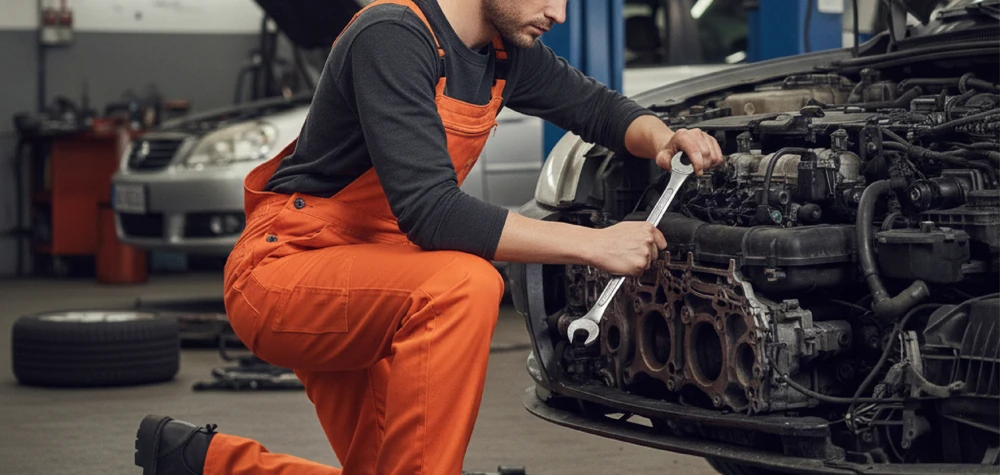
Custom workwear is one of the most visible elements of a company's identity. It is worn every day, seen by customers and directly associated with the level of professionalism of the business.
However, the decision is often based solely on the initial purchase price, without considering the real value over time. This approach frequently leads to higher costs and a weaker brand image.
Why workwear quality really makes a difference
A uniform is not just clothing, but a daily communication tool. Fabrics, fit and finishing details all contribute directly to how a business is perceived.
Poor-quality workwear tends to:
- fade quickly
- lose shape after repeated washing
- convey a sense of neglect
By contrast, well-made workwear retains its shape, colour and comfort over time, reinforcing a sense of professionalism and attention to detail.
Practical examples of quality in workwear
- 150 g/m² cotton T-shirts: suitable for frequent use, maintaining comfort and dimensional stability after many washes.
- 200 g/m² piqué polo shirts: ideal for retail and front-of-house staff, offering a more structured and professional appearance.
- 280–320 g/m² sweatshirts: designed for warehouses and colder working environments, ensuring durability and protection over time.
These technical characteristics directly affect garment lifespan and brand perception.
The real cost of workwear: not the price, but the lifespan
Evaluating workwear solely on its purchase price is one of the most common mistakes. A more effective approach is to consider the cost per wear.
A low-cost polo shirt that loses its shape after a few washes will ultimately cost more than a quality garment that retains its properties over dozens of uses.
Higher quality helps reduce:
- the frequency of reorders
- replacement times
- operational costs in the medium term
In many cases, a uniform that maintains comfort, fit and appearance for longer reduces the cost per wear, even when the initial investment is slightly higher.
Workwear and brand perception
Custom clothing represents one of the highest points of brand visibility. Unlike promotional products, which focus on reach, workwear directly influences customer trust.
A team wearing coordinated, well-maintained uniforms communicates:
- order and reliability
- attention to detail
- business credibility
This perception has an immediate impact on overall brand reputation.
What we have observed since 2006 about workwear orders
In twenty years of supplying professional clothing we have observed a recurring mistake: garments are chosen by comparing only the unit price, without considering the real frequency of use. When uniforms are worn every day by customer-facing staff, the right fabric weight and a durable branding technique make the difference not at the moment of purchase, but after the first few months. In companies that adopt this criterion, in many cases reorders become less frequent and the appearance of the team remains consistent for longer.
Comfort and staff wellbeing
Workwear quality also affects employee wellbeing. Durable, breathable fabrics suited to the working environment improve day-to-day comfort and foster a stronger sense of belonging.
Comfortable uniforms are worn more consistently and become an integral part of corporate identity.


Quality also depends on personalisation
When it comes to workwear, quality is not only about the fabric but also how the logo is applied. Durable branding ensures long-term legibility and value, preventing garments from losing their communicative impact after limited use.
Choosing the most suitable branding technique — screen printing, embroidery, DTF (Direct To Film) or direct-to-garment digital printing (DTG) — depends on the type of garment, washing frequency and daily operational use. Considering these aspects early on helps preserve brand image and extend garment lifespan.
Questions to ask before ordering workwear
Before confirming an order, it is worth clarifying some practical aspects that directly influence the choice of garment and fabric weight:
- How often is the uniform worn? Daily and occasional use call for different fabrics.
- How many washes per month are expected? Washing frequency guides the choice of fabric weight and branding technique.
- In what environment is the uniform worn? Front office, dining areas, kitchens, warehouses and production lines have different technical requirements.
- Is the uniform in direct contact with customers? The required level of finishing changes accordingly.
- How many garments per person are needed? A correct rotation reduces wear and extends garment lifespan.
- Which branding technique best withstands the intended use? Screen printing, embroidery and DTF respond to different needs.
Workwear within a consistent brand communication system
Workwear does not operate in isolation. When integrated into a consistent brand communication system alongside custom shopping bags, coordinated packaging and promotional products, it contributes to a recognisable visual identity at every customer touchpoint. The uniform opens the relationship, the shopping bag carries it outside the store, the packaging extends it all the way home: every element reinforces the others.
To assess investments more effectively, it may also be useful to read:
- professional clothing or promotional products: where to invest for the best return
- how to plan a promotional budget without waste
Why choose Shop for Shop for custom workwear
Shop for Shop is an Italian company operating since 2006, a direct supplier of custom clothing for businesses, retailers and professionals. Among the available ranges is a dedicated selection of custom work clothing, with materials and models designed for long-term performance.
The ability to choose fabrics, fits and branding techniques allows you to build a consistent, functional workwear range suited to everyday professional use.
Frequently asked questions about custom workwear
When is it worth investing in quality workwear?
It is worth investing in quality workwear when garments are worn daily, washed frequently and represent a central element of brand identity.
Why does quality workwear reduce costs over time?
More durable uniforms last longer, reduce the need for frequent reorders and maintain a professional appearance, helping to lower the cost per wear.
Does quality workwear really improve brand perception?
Yes, coordinated and well-made uniforms communicate reliability, order and attention to detail, positively influencing customer trust.
Leave a comment