



Powered by Smartsupp
Menu
Your Cart

Custom printed shopping bags and carrier bags with logo for shops, events and businesses

Bags

Which personalised bag category should you choose?

  • Handled paper carrier bags for retail, takeaway, pizza boxes or bottles → visit Paper Bags
  • Polyethylene-film bags with different handle constructions → compare Plastic Bags
  • Restaurants, takeaway service, food delivery and pizza transport → use Takeaway Bags
  • Bread, counter service and small items in handleless kraft bags → visit Paper Bread Bags
  • Cotton, non-woven, jute or a foldable construction → compare Tote Bags
  • Routine shopping, reusable bags, shopping trolleys or bottle carriers → visit Reusable Shopping Bags

Custom printed shopping bags and carrier bags with logo form the overview node for the branch dedicated to carrying, handing over and presenting products. The category connects solutions defined by different criteria: body material, such as paper or plastic film; construction, as with textile and foldable models; and function, as with food service, counter packing or routine shopping. The correct comparison therefore starts with the actual contents and leads to the relevant specialist category, rather than assigning universal performance to a material.

GSM, film thickness, size, base, gusset, handles, joins and branding method describe different parts of a configuration. No single parameter automatically establishes carrying capacity, working life, reusability, waterproofing, food-contact suitability or environmental performance. The definitive conditions are those stated on the product page, in the configurator and in the documentation for the selected model.

Shop for Shop is an Italian company based in Ragusa and has supplied personalised bags, packaging, promotional products and branded clothing directly to businesses, retailers, professionals and organisations since 2006. Delivery options are available across more than thirty European countries, including the United Kingdom, Ireland and Malta, with charges calculated according to destination. A free artwork proof is prepared before production so that the layout, proportions and position of the logo or artwork can be checked on the configured product.

Custom shopping bags and carrier bags: materials, constructions, uses and branding methods

Start with the real contents. Measure the item together with its packaging, then consider shape, sharp edges, orientation, number of pieces, concentrated or distributed weight, carrying method, journey length and the clearance needed for loading and closure. Only then compare material, size, base or gusset, handles, joins, any closure system and the available branding area.

This branch is not a performance ranking between materials. A handled paper carrier bag, a polyethylene-film bag, a handleless kraft paper bag, a cotton tote, a non-woven bag, a jute bag, a foldable model and a reusable shopping bag are designed around different criteria. A useful comparison identifies the correct specialist node first and then checks the actual product configuration.

Six specialist categories with distinct boundaries

  • Paper Bags – handled paper carrier bags for retail, takeaway orders, pizza boxes and bottles; paper, gsm, base, handles and printing method vary by model.
  • Plastic Bags – five published models with stated HDPE or LDPE bodies, different handle constructions, configurable dimensions, flexographic printing and ordering by weight in kilograms.
  • Takeaway Bags – the specialist node for restaurant leftovers, takeaway orders, food delivery and pizza transport, using mainly paper bags and selected non-woven pizza carriers.
  • Paper Bread Bags – four current handleless kraft paper models with side gussets, sizes and flexographic printing for bread, counter service and other uses stated on the product pages.
  • Tote Bags – the material-and-construction hub linking Cotton Tote Bags, Non-Woven Bags, Foldable Shopping Bags and Jute Bags.
  • Reusable Shopping Bags – a function-led node for routine shopping and repeated carrying, including reusable carrier bags, shopping trolleys and the Bottle holder filter.

How to read gsm, thickness, size, base and handles

  • GSM – describes the mass of a material per square metre; its practical meaning differs between paper, cotton, non-woven, jute and mixed constructions.
  • Film thickness in micrometres – describes plastic film and must be read together with polymer formulation, size, seals, base, gussets and handle construction.
  • Size and gusset – affect usable space and the orientation of the contents, but do not constitute a guaranteed load rating.
  • Base or bottom construction – changes the supporting area and usable volume; a wider base does not by itself prove stability or compatibility with every container.
  • Handles and attachment points – affect grip and the way stress is transferred to the bag; handle type alone does not establish carrying capacity.
  • Stitching, heat seals, glued seams and reinforcements – form part of the complete construction and must be checked on the product rather than treated as isolated guarantees.

Branding methods only on compatible models

Across the branch, available methods may include flexographic printing, screen printing, offset printing, hot foil stamping, digital printing or transfer, embroidery and, on specific compatible products, dye sublimation. A method appearing in one category is not automatically available on every model in the same family. Colour count, branding area, front or reverse application, compatibility with the background, quantity, artwork requirements, folds, stitching and production tolerances must be checked in the configurator and artwork proof.

Configure the appropriate solution: identify the specialist node first, measure the contents, compare the construction and branding area of the model, then use the configurator to obtain terms and a quotation for the actual configuration.

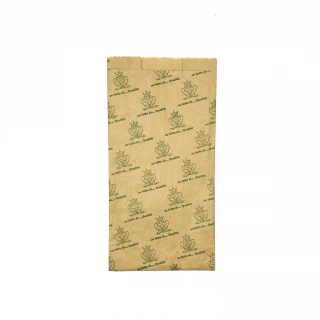
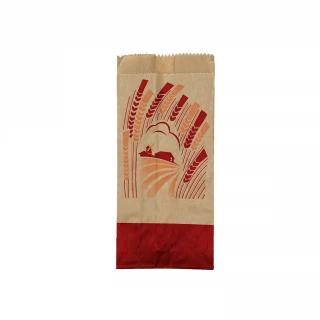
Custom Printed Recycled Brown Kraft Paper Bags – Eco-Friendly and Versatile Solution Our custom printed recycled brown kraft paper bags made from 45g recycled kraft paper are the perfect eco-friendly solution for packaging food items, small products, and more. The ribbed surface gives these bags ..
4,0000€
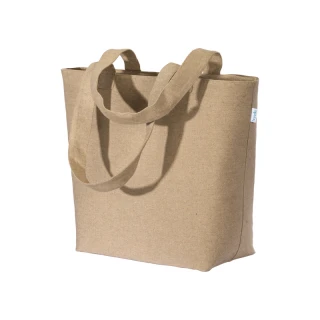
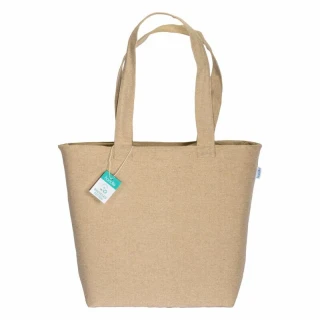
ARTICLE DESCRIPTION: Nbag with gusset at base made of 280 g/m2 recycled cotton, with zip, inside pocket and long handles..
4,1000€
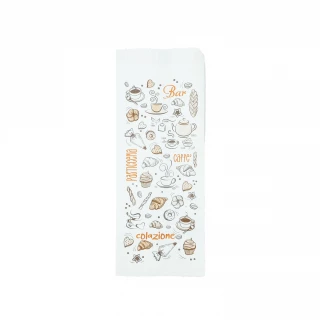
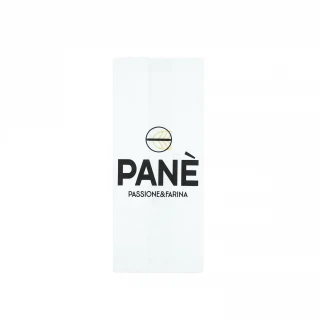
Custom Printed Recycled White Kraft Paper Bags – Eco-Friendly and Efficient Solution Our custom printed recycled white kraft paper bags, made from 48g recycled paper, are the perfect eco-friendly choice for businesses and brands looking for sustainable packaging without sacrificing quality or dur..
4,1000€
Custom Printed Kraft Paper Bags - Affordable and Eco-Friendly Perfect for packaging food and other items Our custom printed Kraft paper bags, made from 45g Kraft paper, have a ribbed texture that gives them a natural and professional look. They are ideal for packaging food items like bread, bu..
4,1500€
White Kraft Paper Bread Bags - Ideal for Food and Packaging Perfect for packaging bread and other food items Our white kraft paper bags, made from 43g cellulose paper, are ideal for packaging food items such as bread, cookies, and more. Thanks to their versatility, these bags can also be used ..
4,2000€
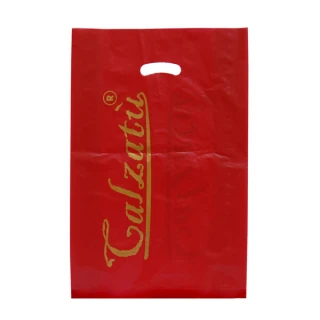
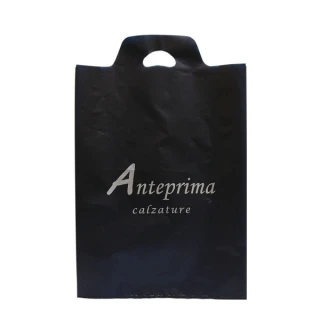
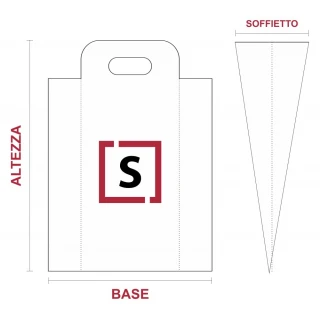
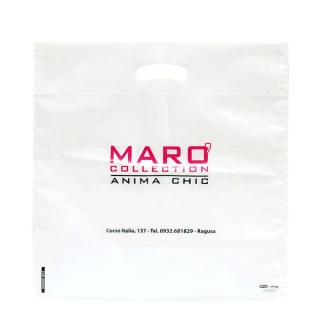
Die-cut handle plastic bag customisable with logo Durable, printable bags for shops and businesses Looking for a strong, customisable carrier bag for your business? This die-cut handle plastic bag is the ideal solution for companies, professionals and organisations that need reliable, functional..
7,3000€
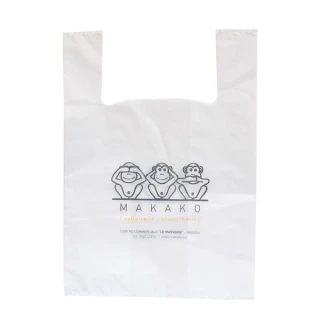
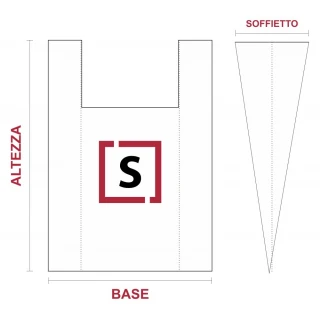
Plastic vest carrier bag customisable with logo Durable HDPE and LDPE carrier bags for shops and food businesses Looking for a durable, practical and customisable carrier bag? This plastic vest carrier bag combines strength, usability and brand visibility, making it an ideal packaging solution f..
7,3000€
Customized Plastic Bags Online Our customized plastic bags online are made from high-density polyethylene (HDPE) with a thickness of 100 microns, ideal for non-food use. The die-cut handle ensures a comfortable and durable grip. These bags comply with all current plastic bag regulations, ensuring t..
8,0000€
Plastic Shopping Bags for Retail Stores Our plastic shopping bags for retail stores, designed with bean-shaped handles, offer a practical and customizable solution for various commercial activities. These bags can be personalized with prints ranging from a single color to full-color designs, effect..
8,0000€
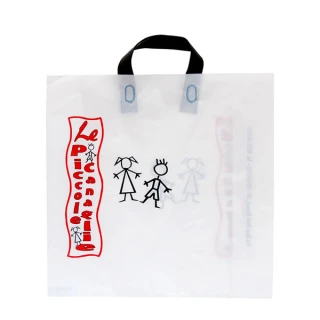
Flexi-loop handle plastic bag customisable with logo Custom printed carrier bags for retail, events and food packaging Looking for a reliable and elegant packaging solution? Our flexi-loop handle plastic bags combine strength, comfort and professional style, making them perfect for retail stores..
8,3000€
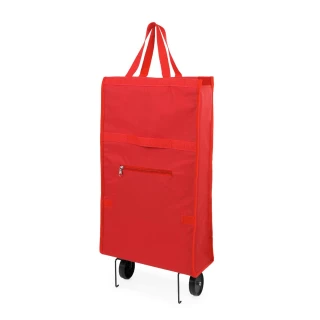
ARTICLE DESCRIPTION: Foldable shopping trolley made of resistant 600D polyester, with reinforced nylon handles, front zipped pocket in matching color and metal supports and wheels...
15,0000€
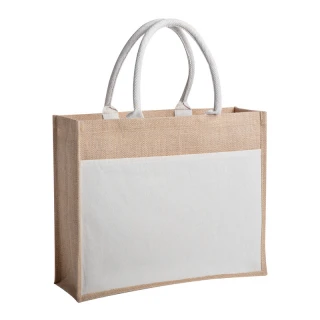
ARTICLE DESCRIPTION: Jute and cotton beach bag, long padded handles, front cotton pocket. Natural colour...
15,6500€
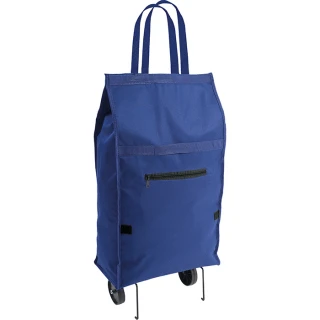
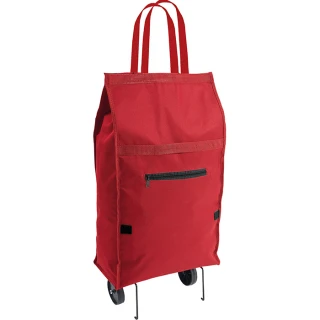
ARTICLE DESCRIPTION: 600D polyester shopping trolley, foldable, Velcro side fasteners, foldable wheels. Dimensions: cm 33x56x14,5 ca (open) cm 33x20 ca (closed)...
16,0000€
ARTICLE DESCRIPTION: Foldable shopping trolley from the Natura line. Made of durable jute, to promote the use of natural materials and thus help the planet's sustainability. With reinforced handle, tubular metal body, back pocket with zip and protective rubber supports. High quality reinforced wheel..
23,3500€
ARTICLE DESCRIPTION: Foldable shopping trolley from the Natura line. Made of durable 600D RPET polyester, recycled plastic, in order to promote the reuse of plastic waste and help the sustainability of the planet. With reinforced handle, tubular metal body, back pocket with zip and protective rubber..
23,5000€
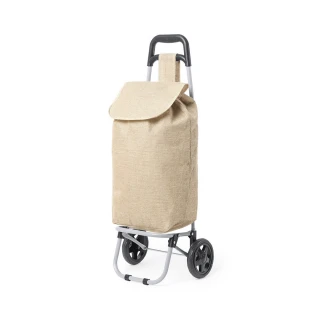
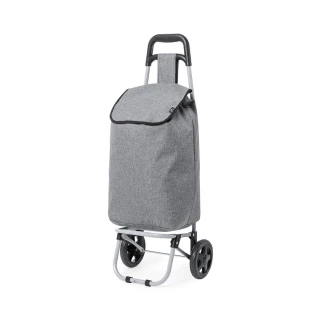
ARTICLE DESCRIPTION: Foldable shopping trolley in 600D polyester, with reinforced handles, tubular metal body, back pocket with zip and support with protective rubber. High quality reinforced wheels. Dimensions 30x20x52 cm..
24,1000€
Showing 1201 to 1235 of 1235 (26 Pages)

How to choose the category for each business and service

The sector helps to narrow the search, but it does not replace product verification. The same retailer may use a paper carrier bag for everyday handover, a textile bag for a loyalty scheme, a handleless bag at the counter and a dedicated solution for bottles or takeaway orders. Contents, expected frequency of use, logistics, presentation and documentation must be assessed together.

Retailers, boutiques and e-commerce businesses

For clothing, accessories, cosmetics, books, gifts and packaged products, compare the actual dimensions, shape, any sharp edges, carrying method and desired presentation. Paper Bags covers handled paper carrier bags; Plastic Bags covers polyethylene-film constructions; and Tote Bags compares cotton, non-woven, jute and foldable models. None of these categories replaces the dimensions and conditions stated for the selected product.

Restaurants, takeaway service, food delivery and pizzerias

Where the main criterion is food service, the reference node is Takeaway Bags. It distinguishes restaurant leftovers, takeaway orders and food containers and links paper models with selected non-woven pizza carriers. Paper Bags retains the material criterion and also contains paper styles for takeaway and pizza boxes. In both cases, closed packs must be measured and any documentation required for the intended use must be checked.

Bakeries, counter service and small items

Paper Bread Bags is the specialist node for the four current pre-formed kraft paper models with side gussets and no handles. Bread and baked goods are a central use, but the product pages also list a range of non-food contexts. Size, paper option, published paper weight, ordering unit, printing and any documentation for direct food contact must be checked for the model.

Trade fairs, conferences, events, merchandise and company packs

For concentrated distribution, the important criteria include quantity, storage volume, speed of hand-out, size in relation to catalogues or promotional products and logo legibility. Tote Bags allows comparison by material and construction, while Paper Bags and Plastic Bags respond to different presentation and production criteria. The decision should remain tied to the actual product rather than to a universal hierarchy between materials.

Supermarkets, grocery retail, markets, wine merchants and routine shopping

When the main requirement is routine shopping, repeated carrying, a trolley model or functional comparison of bottle carriers, use Reusable Shopping Bags. Where the main criterion is textile material or construction, use Tote Bags. Bottles, rigid packs, concentrated weight and journey length always require dimensions and construction to be checked on the product page.

Decision map for the Bags branch

The table directs buyers to the node that owns the search intent, avoiding overlap between material, construction and function.

Main requirement Correct category Semantic boundary
Compare all paper, plastic, textile and other bag families Bags Multi-material overview hub and the general entry point to the branch.
Handled paper carrier bags for retail, takeaway, pizza boxes or bottles Paper Bags Node defined by paper substrates and their constructions, finishes, handles and printing methods.
HDPE or LDPE film bodies with configurable handle constructions Plastic Bags Node defined by plastic film, with model-specific sizes, ordering by weight and flexographic printing.
Restaurants, takeaway service, food delivery or pizza transport Takeaway Bags Node defined by food-service function rather than by one material.
Bread, counter products or small items in handleless paper bags Paper Bread Bags Node for counter packing and handover using the four current kraft paper models.
Compare cotton, non-woven, jute and foldable constructions Tote Bags Hub organised by material and construction across the textile and non-woven branch.
Routine shopping, reusable carrier bags, trolleys or bottle-carrier use Reusable Shopping Bags Node organised around shopping and repeated carrying.

Comparing materials, constructions and functions without automatic rankings

Node Defining criterion What to check What not to infer automatically
Paper Bags Handled carrier bags with a paper body. Paper, gsm, size, base, gussets, handles, glued seams, reinforcements and printing method. Carrying capacity in kilograms, direct food contact, recyclability or universal compatibility with the contents.
Plastic Bags A body made from stated HDPE or LDPE film. Polymer, film thickness, size, base or gusset, seals, handle construction, kilograms ordered and print area. Carrying capacity, waterproofing, food use or compliance from the polymer abbreviation or micrometre figure alone.
Takeaway Bags Food-service use and the carrying of closed food packs. Container, orientation, base, size, material, heat, condensation, journey and documentation. That the outer bag is automatically suitable for direct food contact.
Paper Bread Bags Pre-formed kraft paper bags with side gussets and no handles in the current range. Paper option, size, gusset, published gsm, kilograms ordered, print colours and documented use. Carrying capacity, barrier performance, waterproofing or food-contact suitability from the words kraft, bread or recycled.
Tote Bags Material or construction: cotton, non-woven, jute and foldable models. Composition, fabric weight, joins, size, handles, closure, certifications and branding method. That tote denotes one composition or that a fibre guarantees lifespan, reuse or environmental performance.
Reusable Shopping Bags Shopping and repeated-carrying function. Model, material, size, base, handles, trolley structure, bottles and any stated capacity. Carrying capacity, unlimited working life, recycled percentage or identical performance across the category.

Size, base, gusset, handles, closure and branding area

  • Measure the real contents – include packaging, orientation, sharp edges, bottles where relevant and the clearance needed for loading and grip.
  • Assess all dimensions together – width and height do not describe usable volume on their own; base and gusset can change it.
  • Check handles and attachment points – length, material, stitching, glued seams or heat seals affect the behaviour of the construction.
  • Check closures and accessories – zips, drawcords, pouches, pockets, elastic bands or other systems belong only to products that state them.
  • Adapt the logo to the surface – folds, gussets, stitching, heat seals, glued seams, pockets, lamination and closure systems may reduce or interrupt the usable branding area.

Branding methods: which specialist page should you check?

Branch Methods that may appear Required checks
Paper Bags Flexographic printing, screen printing, offset printing and hot foil stamping, according to range and model. Artwork template, paper, background colour, area, colour count, quantity, folds, glued seams and finishes.
Plastic Bags Flexographic printing across the five models, with different colour limits and declared print areas. Film, colour, seals, handle construction, area, plate size, kilograms ordered and New or Reprint processing.
Takeaway Bags Methods used by the paper styles and product-specific branding for non-woven pizza carriers. Material, container orientation, folds or stitching, background, area, colours, quantity and template.
Paper Bread Bags Flexographic printing from one to three colours on the current kraft paper models. Paper background, both sides and gussets, colour thresholds, kilograms ordered, registration and plate status.
Tote Bags Screen printing, digital printing or transfer, embroidery and dye sublimation only on compatible products. Composition, surface, fabric colour, joins, folds, branding area, method, quantity and artwork requirements.
Reusable Shopping Bags Screen printing, digital printing and other methods shown by the selected product. Material, lamination, front or reverse application, area, colours, trolley or bag components and configurator options.

Food contact: an outer carrier and direct food contact are not the same

A bag used by a restaurant, bakery or food retailer is not automatically suitable for direct food contact. Carrying a closed pack is different from directly containing bread, food or another product. Where direct contact is intended, the selected product and purchased configuration must be supported for the relevant food, contact time, temperature and conditions of use under the rules applying in the destination market.

The category name, the labels Takeaway, Pizza bag, Bottle holder or Paper Bread Bags, a wide base, lamination, a waxed lining or a particular film thickness do not in themselves constitute a declaration of compliance. Within the European Union, including Ireland and Malta, applicable EU and national food-contact rules must be checked; for Great Britain and Northern Ireland, the corresponding requirements and market-specific arrangements must be verified separately.

Composition, packaging and environmental claims

Where a product falls within the scope of textile labelling rules, fibre names and composition must reflect the actual product. In EU markets, including Ireland and Malta, Regulation (EU) No 1007/2011 may apply; requirements for Great Britain, Northern Ireland and other destinations must be checked for the market concerned. Body, handles, pockets, stitching, lamination and other components may have different compositions.

Where a bag is qualified and placed on the market as packaging, material identification and disposal information must refer to the actual configuration. Regulation (EU) 2025/40 on packaging and packaging waste applies generally in the European Union from 12 August 2026. For Great Britain, Northern Ireland and other destinations, the applicable packaging and environmental-labelling requirements must be checked separately before supply.

Words such as natural, kraft, paper, jute, cotton, non-woven, recycled, R-PET or reusable do not by themselves prove recyclability, biodegradability, compostability, recycled percentage, certification or lower overall impact. Any environmental claim must be specific, documented and applicable to the purchased product and configuration.

Mistakes to avoid before ordering

  • Choosing from the business sector alone – the same business may require different nodes according to contents and function.
  • Turning gsm or film thickness into a load rating – neither figure alone shows how many kilograms the product can carry.
  • Comparing different materials by one number – composition and construction change the practical meaning of the figure.
  • Assuming food-contact suitability from a name – direct contact requires documentation for the purchased configuration.
  • Assigning one branding method to a whole family – area, colours, process, quantity and artwork requirements vary by model.
  • Confusing kilograms ordered with bag count – for products sold by weight, the number of units is an estimate for the configuration, not a universal quantity.
  • Extending certifications or environmental claims – they apply only to products and supplies that document them.
  • Ignoring mixed materials and components – body, handles, lamination, closures, stitching, heat seals, printing and accessories may require separate checks.

Bags and a coordinated branded range

Shopping bags and carrier bags can share a logo, colours and graphic principles with custom cardboard boxes, packaging supplies, promotional products and personalised clothing. Each substrate retains its own materials, branding areas and methods: consistency comes from adapting the same visual system to the characteristics of each product, not from repeating the mark in exactly the same way.

For planning across categories, see Promotional products, clothing and packaging: how to create a coordinated branded range.

Useful guides on size, printing and packaging value

Frequently asked questions about personalised shopping bags and carrier bags

How should I choose between Paper Bags, Plastic Bags, Takeaway Bags, Paper Bread Bags, Tote Bags and Reusable Shopping Bags?

Choose the category according to the main selection criterion. Paper Bags covers handled paper carrier bags; Plastic Bags covers models whose body is made from polyethylene film; Takeaway Bags covers restaurant takeaway, food delivery and pizza transport; Paper Bread Bags covers handleless kraft paper bags for bread and counter service; Tote Bags compares cotton, non-woven, jute and foldable constructions; Reusable Shopping Bags covers routine shopping, shopping trolleys and bottle-carrier use. The final choice remains subject to the individual product page and configurator.

Do gsm or film thickness show how many kilograms a bag can carry?

No. GSM describes the mass of a material per square metre, while micrometres describe film thickness. Carrying capacity, working life and the number of reuses also depend on dimensions, base or gusset, folds, glued seams, heat seals, stitching, handles, attachment points and load distribution. Any figure stated in kilograms applies only to the product and configuration that publishes it.

What is the difference between Paper Bags and Paper Bread Bags?

Paper Bags covers handled paper carrier bags with bases and constructions intended to carry purchases, including retail, takeaway, pizza-box and bottle-carrier styles. Paper Bread Bags covers the four current pre-formed kraft paper models with side gussets and no handles, intended for counter packing and handover. The boundary depends on construction, contents and the role the bag performs in the service.

What is the difference between Paper Bags and Takeaway Bags?

Paper Bags organises the range by paper material and includes paper styles for retail, takeaway orders, pizza boxes and bottles. Takeaway Bags organises the range by food-service function: restaurant leftovers, takeaway orders, food delivery and pizza transport, using mainly paper bags and selected non-woven pizza carriers. The pages are connected, but their semantic criteria are different.

When should I choose Plastic Bags?

Choose Plastic Bags when the main criterion is a polyethylene-film body and you need to compare the five published models by handle construction, size, gusset or base, stated polymer and flexographic printing options. HDPE, LDPE, film thickness and dimensions do not, on their own, determine carrying capacity or intended use. Orders are placed in kilograms and the configurator displays an indicative bag count for the selected configuration.

What does the Tote Bags category include?

Tote Bags is the specialist hub organised by material and construction. It links Cotton Tote Bags, Non-Woven Bags, Foldable Shopping Bags and Jute Bags. The commercial name does not mean that every product is made from woven cloth: non-woven material is not woven, and foldable bags may use different substrates. Composition, fabric weight, construction and branding methods must be checked for each product.

What is the difference between Tote Bags and Reusable Shopping Bags?

Tote Bags organises the search by material and construction, linking cotton, non-woven, jute and foldable models. Reusable Shopping Bags is organised by function: routine shopping, reusable carrier bags, shopping trolleys and bottle-carrier use. Some products may answer both criteria, but the two categories support different comparisons.

Are takeaway bags, bread bags or bags used by food businesses automatically suitable for direct food contact?

No. Carrying a closed pack and directly containing food are different situations. A food-related category name, the labels Takeaway, Pizza bag, Bottle holder or Paper Bread Bags, and use by a restaurant or bakery do not in themselves demonstrate compliance. For direct contact, the product, purchased configuration, food type, contact time, temperature and intended conditions of use must be supported by the applicable documentation.

Which branding methods may be available across the Bags branch?

Methods found across the branch may include flexographic printing, screen printing, offset printing, hot foil stamping, digital printing or transfer, embroidery and, on specific compatible models, dye sublimation. No method is automatically available on every material or product. Colour count, branding area, front or reverse application, coverage, artwork requirements, minimum quantity and template constraints must be checked on the selected product page and configurator.

Are minimum quantity, price, ordering unit and sample availability the same across the whole branch?

No. Some products are ordered by piece and others by weight in kilograms; minimums, price breaks, multiples, colours, methods, lead times and prices vary by model. Samples are available only where the product page provides the service and under the stated conditions, often subject to stock. The correct quotation is the one produced for the actual product configuration.

Is an artwork proof provided before production?

Yes. A free artwork proof is prepared before production so that the composition, proportions and position of the logo or artwork can be checked on the configured product. The proof helps verify the visual layout, but it does not replace the technical specification, dimensional checks, product documentation or confirmation of the intended use.

Configure the most appropriate bag for your business, shop or event: identify the specialist category, measure the actual contents, compare the model's construction and available branding area, then approve the artwork proof before production.