

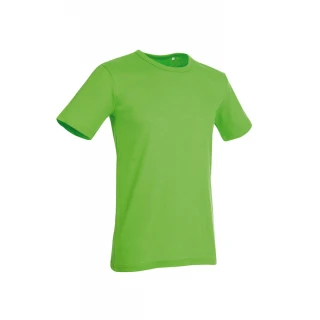

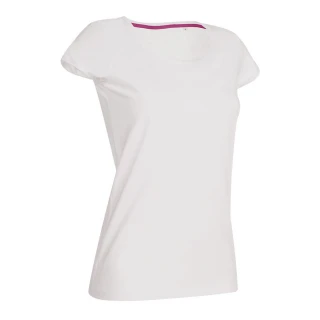


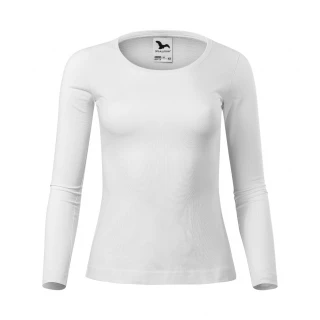
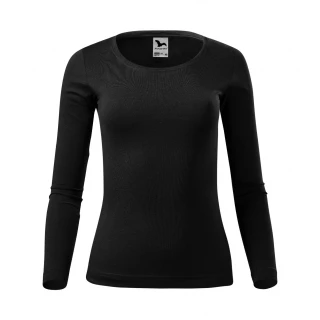
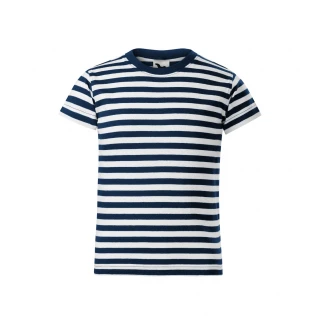
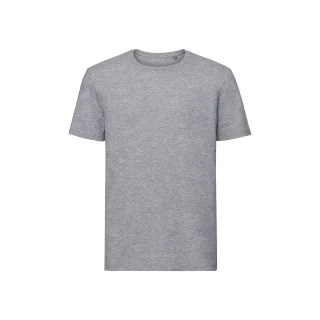
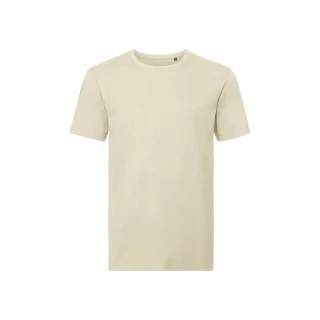
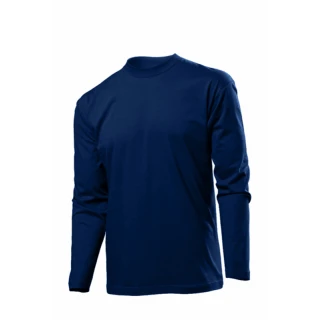
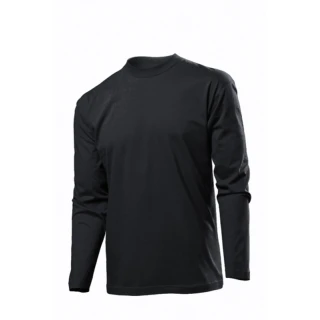
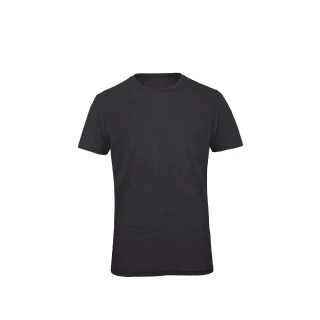



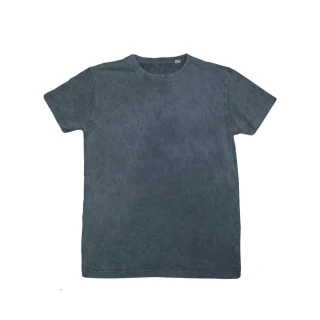
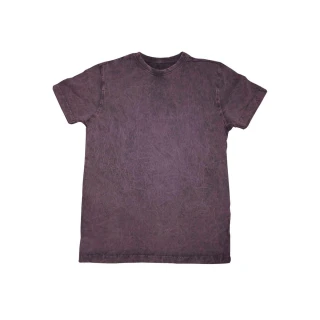
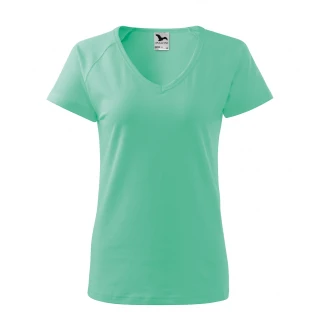
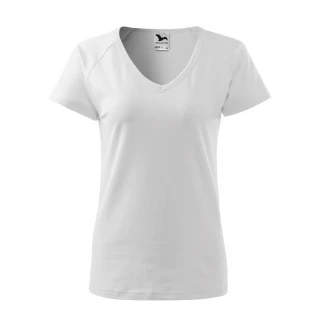
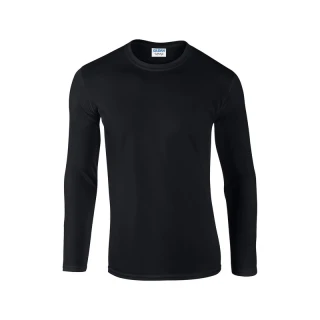
-320x320h.webp "Men's GILDAN Softstyle long sleeves t-shirt")
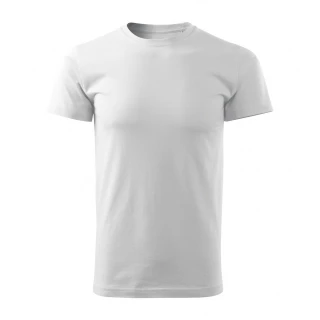
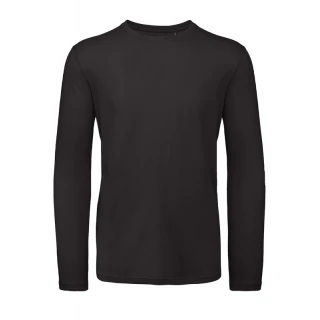
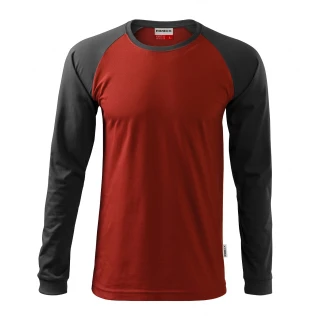
-320x320h.webp "Men's B&C Long Sleeve T-shirt mod. Inspire Men long sleeves")

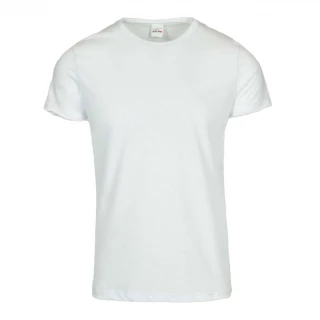
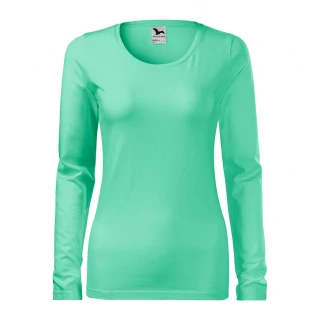
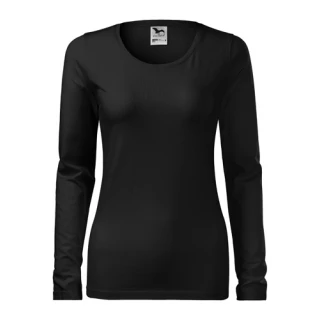
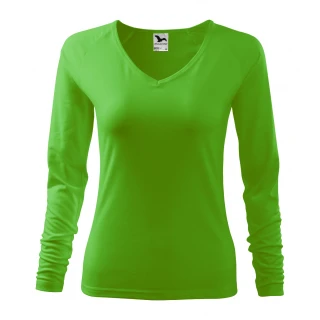
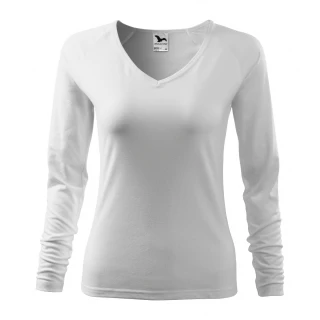
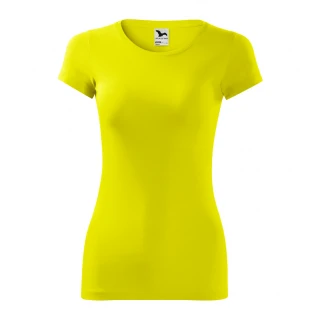
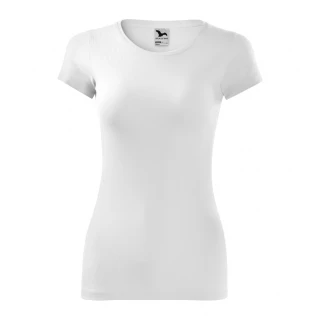
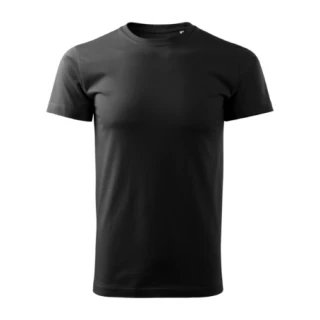
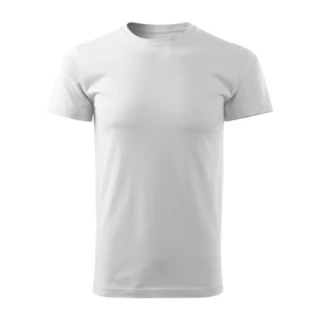
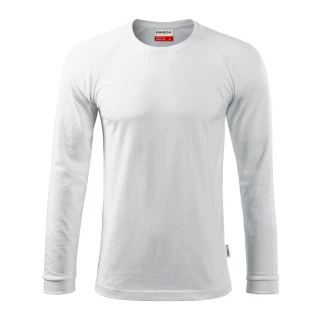
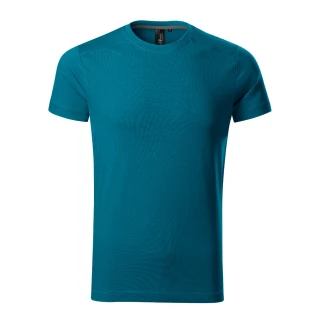
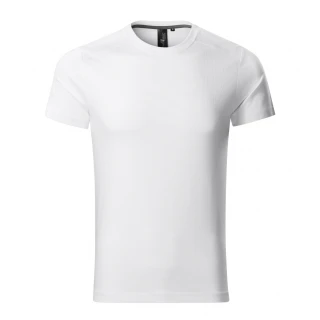
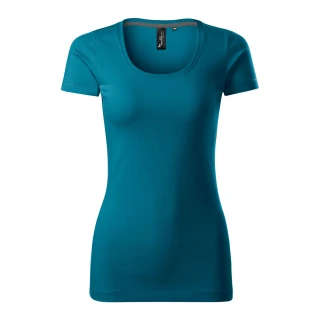
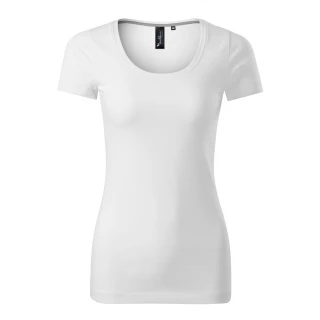
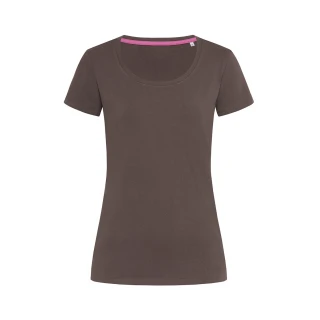
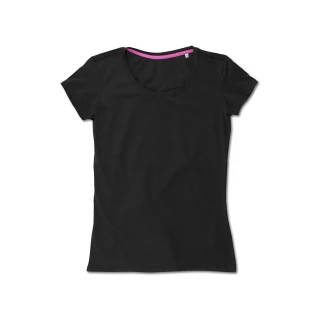
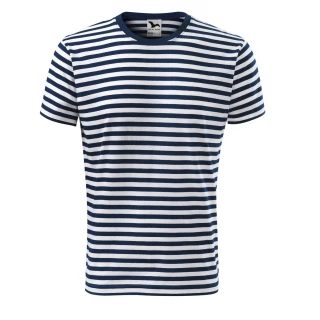
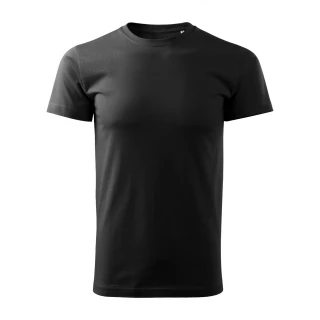
-320x320h.webp "Men's GILDAN Ultra Cotton GL2400 T-shirt")
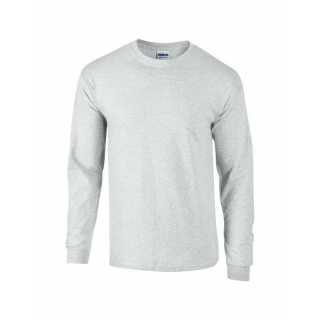
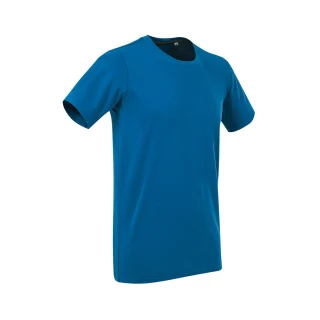
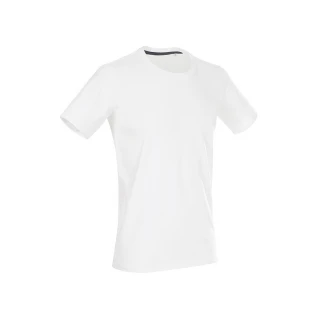
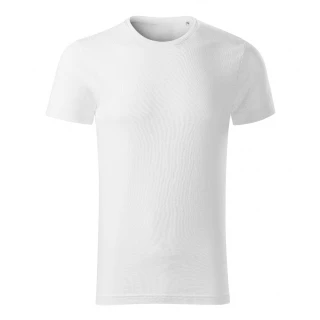
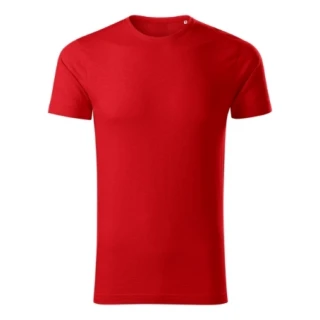
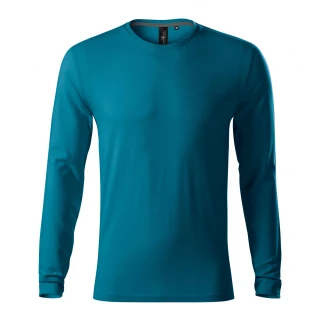
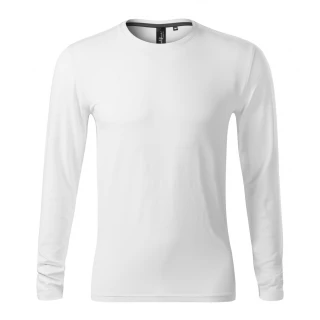
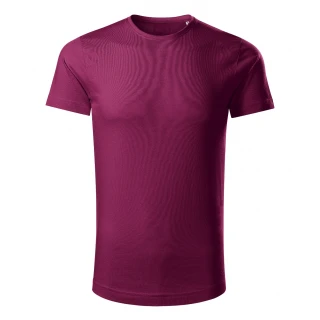
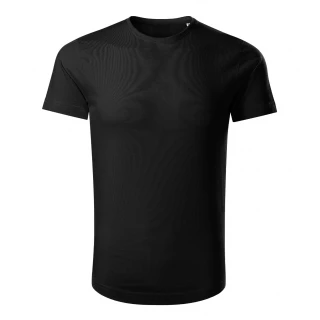

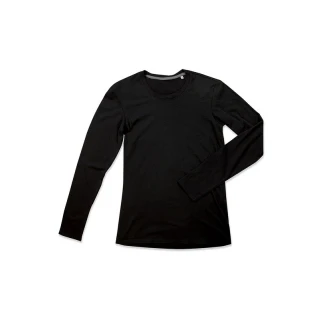
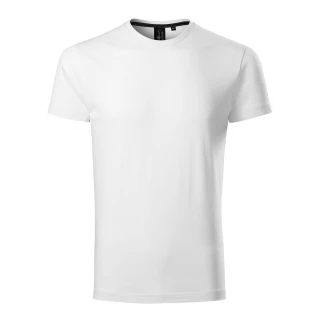
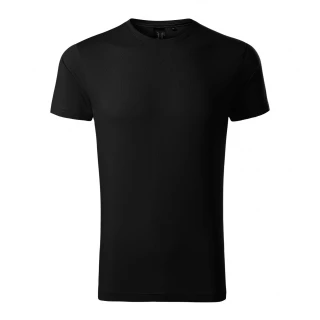


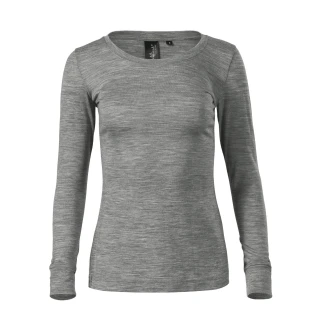
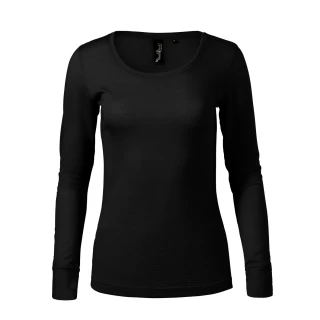
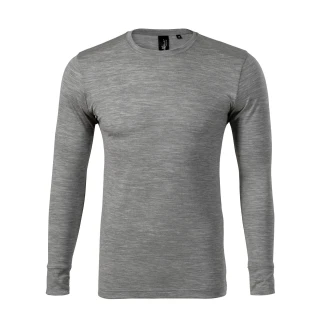
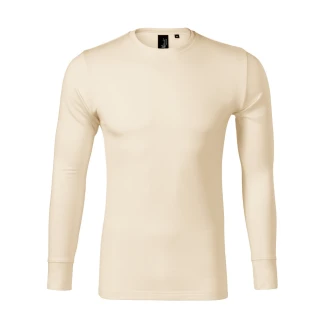
How to choose a custom t-shirt by context
The t-shirt is a versatile garment, but not every printed t-shirt suits the same purpose. A trade-show order often needs high quantities, good visual impact and a quick turnaround; staff kit needs comfort, a well-spread size range and wash resistance; a merchandise line should pay more attention to fit, material and product feel.
- Trade shows and events – lightweight to midweight t-shirts, with the logo visible on the front or back, to identify staff and hand out to the public.
- Staff and retail – cotton or cotton-polyester blends, with a firmer weight and a durable print.
- Company merchandise – well-cut t-shirts, a wide colour choice and a print consistent with the brand's visual identity.
- Associations, schools and sports teams – men's, women's and kids' styles for large groups, local events and coordinated initiatives.
- Welcome packs and promotional campaigns – t-shirts paired with promotional products, bags and packaging for a more complete message.
Comparing styles, materials and uses of custom t-shirts
The table below helps tell apart the main practical choices: fit, material, print method and context all shape the final result.
| Type | Main purpose | Typical materials | Indicative weight | Suitable methods | Best for |
|---|---|---|---|---|---|
| Lightweight t-shirt | Promotional hand-outs | Light cotton, light blends | 130-150 gsm | Screen printing, DTF | Summer events, trade shows, high-volume campaigns |
| Midweight t-shirt | Balance of comfort and durability | Cotton, combed ring-spun cotton, cotton-polyester blend | 160-180 gsm | Screen printing, DTF, DTG | Light staff kit, longer events, merchandise |
| Heavyweight t-shirt | A more professional image | Combed ring-spun cotton, heavier cotton | 190-200+ gsm | Screen printing, DTF, light embroidery | Company staff, retail, hospitality, brand collections |
| Technical or blended t-shirt | Stability and faster drying | Cotton-polyester blend, technical fabrics | Variable | DTF, screen printing, digital print | Sport, teams, active use, operational wear |
| Kids' t-shirt | Coordinating groups and initiatives | Soft cotton, comfortable blends | Light / midweight | Screen printing, DTF | Schools, associations, sports events, family promotions |
The final result depends on the fabric composition, weight, garment colour, logo size, print position and chosen print method.
T-shirt materials: how they affect comfort, washing and print quality
The material affects comfort, durability and print quality. 100% cotton offers natural comfort, breathability and excellent print colour reproduction. Combed ring-spun cotton, whose fibres are reordered to reduce the natural flaws of the yarn, has a smoother, more compact surface, suited to crisp graphics and higher-end promotional garments. Cotton-polyester blends are lighter, hold their shape better through frequent washing and dry faster, making them useful for operational, sporting and high-turnover settings. For sustainability-focused projects, certified organic cotton (e.g. GOTS) is also available. For the same style, material and weight together determine the feel, the durability and the quality of the print.
T-shirt fabric weights: choosing the right gsm (130, 180 and 200 gsm)
Fabric weight, given in grams per square metre (gsm), shows how light or substantial a t-shirt is and affects print quality, durability and how the garment is perceived. It is the first thing to settle, alongside the material.
- Around 130-150 gsm (lightweight) – an affordable, immediate t-shirt, suited to events, promotions and wide hand-outs, where volume matters more than longevity.
- Around 180 gsm (midweight) – the most versatile, balanced weight: good structure, comfort and wash resistance, ideal for staff and repeated use.
- Around 200 gsm and above (heavyweight / premium) – a more substantial garment with a higher perceived quality, suited to merchandise, corporate gifts and t-shirts meant to last.
Print methods and embroidery for custom t-shirts
The print method should be chosen according to quantity, material, garment colour, logo complexity and the result you want. A large print on a promotional t-shirt has different needs than a small staff logo or a multi-colour merchandise graphic.
- Screen printing – suited to medium-to-high runs, simple logos, solid colours and high-visibility graphics. Effective when keeping the unit cost down on larger quantities.
- DTF (Direct to Film) – a heat-transferred print from film, suited to multi-colour logos, fine detail, small-to-medium quantities or graphics with gradients.
- DTG (Direct to Garment) – a digital print applied directly to the garment, useful on cotton t-shirts for complex graphics and an integrated finish.
- Embroidery – for small logos and firmer garments, where a more premium feel is wanted. On lightweight t-shirts it should be assessed carefully, as heavy embroidery can stiffen or distort the fabric.
The practical difference between the two digital methods: DTG prints directly onto the fabric, while DTF transfers the graphic from a film using heat. On t-shirts, DTG works best on cotton with detailed graphics, while DTF is often more practical for multi-colour work, small quantities or blended fabrics.
Logo position: chest, front, back or sleeve
Where the print sits changes the t-shirt's communicative role. A large logo on the front or back maximises visibility at events and trade shows; a small chest logo suits staff, retail and professional settings; a print on the sleeve or back neck rounds off a more refined supply without overloading the garment.
- Left chest – a discreet option for staff, reception, retail and professional activities.
- Centre front – maximum visibility for promotional campaigns, merchandise and event hand-outs.
- Back – useful for teams, associations, trade-show staff and operational personnel recognisable from a distance.
- Sleeve or back neck – a secondary detail for more refined projects or coordinated ranges.
Mistakes to avoid when choosing custom t-shirts
A custom t-shirt works when the garment, the graphic and the use are aligned. The most common mistakes come from choosing on price alone, or on the look of the product photo, without considering washing, fit and print method.
- Choosing too light a weight for staff – it can shorten the garment's life and look less professional after several washes.
- Using embroidery on fabrics that are too thin – the logo can feel heavy against the garment and distort the surface.
- Ignoring the size spread – for company supplies it helps to plan mixed sizes and men's, women's and kids' styles when the audience is varied.
- Not weighing the garment colour against the logo – contrast and legibility are decisive at trade shows, events and on merchandise.
- Treating staff and events as the same use case – a promotional hand-out t-shirt and a light uniform have different goals.
Coordinated ranges with t-shirts, promotional products and packaging
Custom t-shirts can become part of a wider supply: paired with promotional products, bags and packaging, they help build a more recognisable brand experience at events, retail, welcome packs, promotional campaigns and ongoing company activities.
For a coordinated message you can combine t-shirts with promotional products, shopping bags, custom cardboard boxes and packaging supplies. You can also read our guide on how to build a coordinated branded range across clothing, products and packaging.
A useful guide to choosing fabric weight
To choose between lightweight, midweight and heavyweight t-shirts for staff, events and promotions, you can read our guide to choosing t-shirt fabric weights.
Frequently asked questions about custom t-shirts
Which fabric weight should I choose for t-shirts: 130, 180 or 200 gsm?
Fabric weight is the weight of the fabric in grams per square metre (gsm). At around 130-150 gsm the t-shirt is light and affordable, suited to events and wide hand-outs; around 180 gsm is the most versatile weight, balancing comfort, structure and wash resistance, ideal for staff and repeated use; from 200 gsm upwards the garment is more substantial and premium, suited to merchandise, corporate gifts and t-shirts meant to last.
Cotton or a cotton-polyester blend — which is better?
Cotton offers natural comfort, breathability and excellent print colour reproduction, especially in combed ring-spun versions. A cotton-polyester blend is lighter, holds its shape better through frequent washing and dries faster, so it suits staff, sports teams or recurring use. Certified organic cotton is also available for sustainability-focused projects. Print durability stays good over time when the material and the method are well matched.
Screen printing, DTG, DTF or embroidery — which method should I choose?
For medium-to-high quantities and simple logos, screen printing is often the most efficient. For multi-colour graphics, fine detail or smaller quantities, DTF is a good choice. DTG (direct to garment) suits cotton t-shirts with complex graphics, while embroidery is best on firmer garments and small logos, as it can stiffen thin fabrics.
Crew neck or V-neck?
The crew neck is the classic, standard t-shirt neckline, suitable for any use, from staff to merchandise. The V-neck offers a softer, less formal line as a style alternative. Both leave plenty of room to print on the front and back; the choice depends on the look you want and your audience.
Are t-shirts available for men, women and kids?
Yes. The category includes custom men's, women's and kids' t-shirts, so you can build coordinated supplies for businesses, associations, schools, events, teams and promotional campaigns aimed at different audiences.
Can I order plain t-shirts without personalisation?
Some styles can be bought without printing or embroidery, where the option is available on the product page. Alternatively, the t-shirt can be set up with a logo, graphic or text and approved through a design proof before production.
What is the minimum order quantity, and is a design proof provided before production?
The minimum order is 5 units, as for all products in the clothing category. Before production we always send a free design proof showing the logo position on your chosen garment: printing or embroidery only begins once you approve it.
Choose the custom t-shirt that best fits your project: weigh up the style, fabric weight, material, logo position and print method, then set up your order with a design proof before production.