

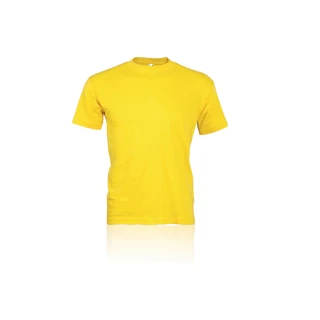
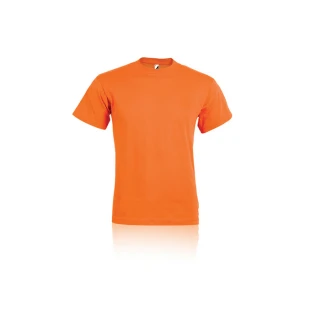
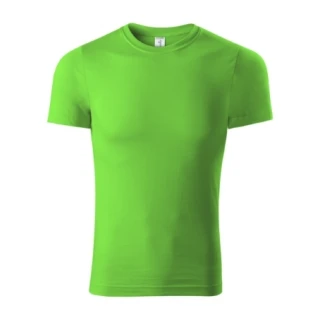
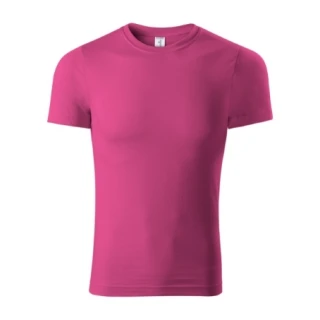
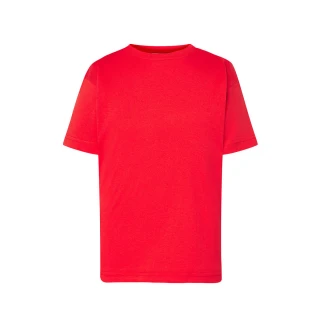
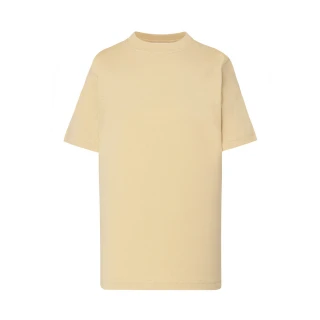
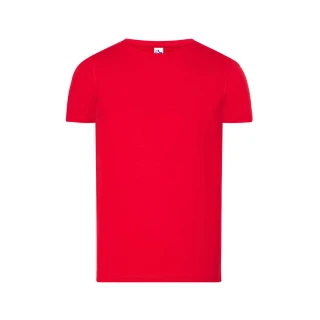
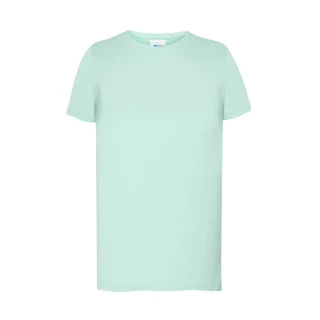
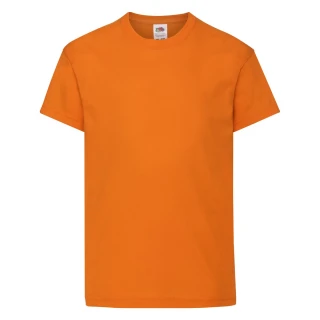
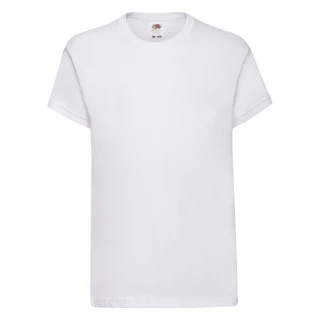
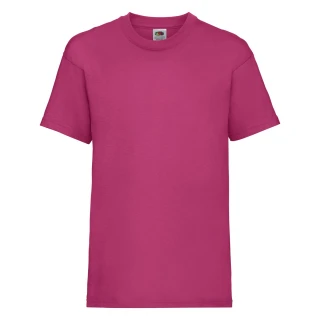
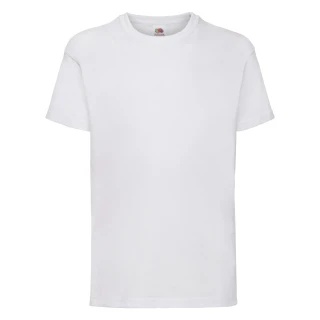
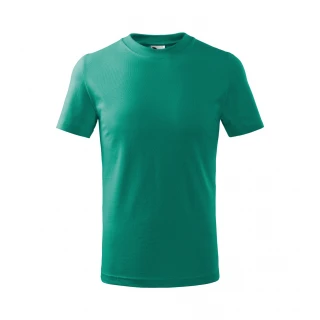
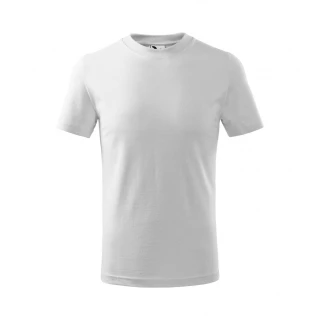
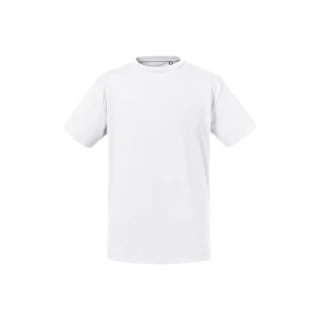
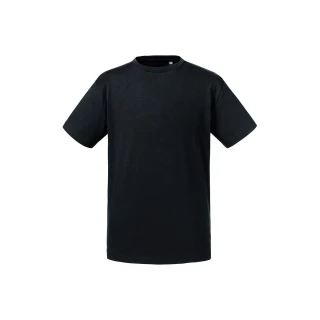


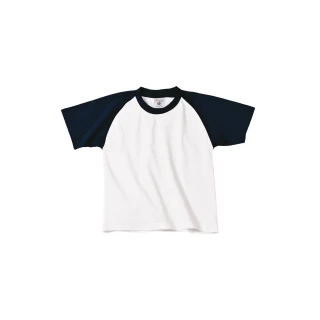
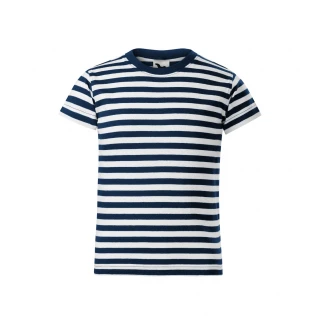
How to choose custom kids' t-shirts
Choosing a custom kids' t-shirt well means balancing three things: the comfort of the garment, how legible the artwork is, and how well it stands up to use. Children move a lot, change size more quickly than adults and often wear the t-shirt in active settings: school, sport, play, outdoor events or group activities.
That is why it pays to consider fabric, fit, weight, garment colour, print position and the number of washes expected from the very start. A choice driven only by price can shorten the life of the garment or weaken the logo; a garment that is too heavy can be uncomfortable in warm weather or during active use.
- Schools and educational projects – for trips, open days, workshops, classroom activities and recognisable initiatives, including the back-to-school period.
- Associations, clubs and summer camps – to kit out large groups, make children and helpers easy to recognise and create a shared visual identity.
- Company family days and family events – for family days, company celebrations, activities involving staff and families, or promotional campaigns aimed at younger audiences.
- Sport and group activities – for teams, tournaments, courses, sporting events and community initiatives.
- Merchandise and event keepsakes – for personalised t-shirts to hand out, sell or give away as a memento of the initiative.
Fabrics and comfort: cotton, cotton-polyester blends and technical fabrics
On children's garments the fabric matters even more, because it affects comfort, breathability, durability and contact with the skin. For kids' t-shirts, soft, practical fabrics suited to the intended use are preferable.
- 100% cotton – soft, breathable and gentle against children's skin, with excellent print reproduction; ideal for schools, events, merchandise and everyday use.
- Ring-spun combed cotton – with the fibres rearranged to reduce natural flaws in the yarn, it is smoother and more compact, useful when you want sharper print results and a higher-quality feel.
- Cotton-polyester blend – practical and stable, it holds its shape and dries faster through frequent washing, so it is useful for recurring use and active settings.
- Polyester or technical fabrics – worth considering when the model offers them and the use is sporty, for lightness and quick drying.
- Certified organic cotton (e.g. GOTS) – a fabric to consider for sustainability-minded projects, where available on the selected models.
Sizing and fit: why they are decisive for kids' supplies
For children's supplies, the spread of sizes is one of the most delicate points. Depending on the model, the range can cover several age groups, roughly from ages 3 to 15 (European children's sizing); before ordering it is always worth checking the product page and the size guide for the chosen garment. For larger groups it helps to collect sizes in advance and allow a safety margin on the in-between sizes. The fit should leave room to move, especially for summer camps, sports activities, schools, associations and outdoor events.
Weight, expressed in g/m², should be chosen together with the size: it affects the print result, durability and comfort.
- Around 130-150 g/m² (light) – a fresh, economical t-shirt suited to parties, fairs, summer events and wide hand-outs.
- Around 160-180 g/m² (medium) – the most balanced, versatile band, suited to schools, associations, summer camps and repeated use.
- Around 190-200 g/m² (more structured) – a garment with a higher perceived quality, suited to gifts, merchandise and dedicated ranges.
Printing and embroidery techniques for custom kids' t-shirts
The technique should be chosen according to quantity, fabric, garment colour, artwork size and the level of detail in the logo. On children's sizes it is important to keep the right proportions: an oversized print can overwhelm the garment, while a logo that is too small can lose legibility.
- Screen printing – suited to medium-to-high quantities, simple logos and solid colours; effective for schools, events, associations and summer camps ordering larger quantities.
- DTF (direct-to-film) – a heat-transferred print from film, suited to multicolour logos, fine detail, small-to-medium quantities or artwork with gradients.
- DTG (direct-to-garment) – printed directly onto the garment, useful on cotton t-shirts when the artwork is complex and you want it integrated into the fabric.
- Embroidery – for small logos and crests, especially on uniforms, when you want a more premium finish. On lightweight kids' t-shirts it should be assessed with care, as heavy embroidery can stiffen the fabric. It is generally the most hard-wearing option over time.
Logo placement: front, back, left chest or sleeve
The position of the personalisation changes how the t-shirt communicates. For events and large groups, artwork that is clearly visible on the front or back is often useful. For schools, associations and junior staff a more discreet logo on the chest can be enough, perhaps paired with secondary artwork on the back. On smaller sizes it is important to keep the artwork in proportion to the surface of the garment.
- Left chest – a discreet option for school uniforms and association or club crests.
- Centre front – maximum visibility for parties, events, summer camps and initiatives.
- Back – useful for teams and groups, with a name, number or logo recognisable from a distance.
- Sleeve – a secondary detail for sponsors, a project name or a more refined supply.
Comparison of uses, fabrics and techniques
| Use | Recommended fabric | Indicative weight | Suitable techniques | Goal |
|---|---|---|---|---|
| Schools and educational projects | Cotton or cotton-polyester blend | Light / medium | Screen printing, DTF | Group recognition |
| Summer camps and associations | Breathable cotton or practical blend | Medium | Screen printing, DTF | Comfort and repeated use |
| Family events and company family days | Cotton, ring-spun cotton | Light / medium | DTF, DTG, screen printing | Event keepsake and visibility |
| Sport and active group activities | Cotton-polyester blend or technical fabric | Variable | DTF, screen printing | Practicality and freedom of movement |
| Junior merchandise | Higher-grade or ring-spun cotton | Medium / heavier | DTG, DTF, screen printing | Perceived garment quality |
The final result depends on the model, fabric, weight, garment colour, size, logo position and the personalisation technique selected.
Mistakes to avoid with custom kids' t-shirts
- Choosing sizes without checking the model's size guide – fits can vary from one garment to another; for groups, collect the measurements in advance.
- Using artwork that is too large on small sizes – the print should stay in proportion to the surface of the garment.
- Using embroidery on fabrics that are too light – the logo can sit heavily on the garment and distort the surface.
- Overlooking washing – schools, sport and summer camps call for fabrics and techniques suited to repeated use.
- Choosing colours with poor contrast – contrast between garment and logo is essential for the personalisation to stand out.
- Judging on price alone – for groups and ongoing supplies, comfort, durability and size management matter too.
Custom kids' t-shirts and coordinated supplies
Custom kids' t-shirts can form part of a wider supply for schools, associations, events and businesses. A family day, for example, might include kids' t-shirts, adult t-shirts, promotional gadgets and matching carrier bags; a school or summer camp can use personalised t-shirts alongside welcome items and packaging.
To weigh up the models within the same project, you can pair kids' t-shirts with men's t-shirts and women's t-shirts, starting from the parent custom t-shirts category, where the choice can be guided by weight, fabric, fit and printing technique. Kids' t-shirts can also be paired with promotional gadgets, carrier bags and personalised packaging to build coordinated kits for schools, associations and events.
Frequently asked questions about custom kids' t-shirts
What sizes are available for custom kids' t-shirts?
The sizes available depend on the model selected and the age group. Depending on the garment, the range can cover several ages, roughly from 3 to 15 years (European children's sizing); before ordering it is advisable to check the size guide on the product page and collect the measurements in advance, allowing a margin on the in-between sizes.
Cotton or a cotton-polyester blend for kids' t-shirts?
100% cotton is soft, breathable and gentle on the skin, suited to school, events and merchandise. A cotton-polyester blend is more practical for frequent use, active settings and repeated washing, as it holds its shape and dries faster. For sustainability-minded projects, certified organic cotton (e.g. GOTS) is available where the model offers it.
Which printing technique is best for kids' t-shirts?
For medium-to-high quantities and simple logos, screen printing is usually the most efficient. For multicolour or detailed artwork, DTF is a good option; DTG (direct-to-garment) suits cotton t-shirts with complex artwork. Embroidery works for small logos and crests on more structured garments, but on lightweight t-shirts it should be assessed with care, as it can stiffen the fabric.
Are custom kids' t-shirts suitable for schools and summer camps?
Yes. They are suited to schools, summer camps, associations and clubs, school trips, workshops, sports activities, community events and company initiatives aimed at families. They help make a group recognisable and build a coordinated look.
Where should the logo go on a kids' t-shirt?
For maximum visibility you can use the centre front or the back. For more discreet personalisation, the left chest works well. On smaller sizes it is important to keep the artwork in proportion to the surface of the garment, avoiding oversized prints or details that are hard to read.
Can kids' t-shirts be coordinated with men's and women's models?
Yes. By keeping the same artwork and colours, kids' t-shirts can be coordinated with men's and women's models for family events, associations, schools, teams and promotional campaigns. The parent custom t-shirts category helps you weigh up consistent models and fabrics for different audiences.
What is the minimum order, and is a design proof provided before production?
The minimum order is 5 pieces, as for all products in the clothing category. Before production we always send a free design proof showing the logo placement on the chosen garment: printing or embroidery only begins once you have approved it.
Can custom kids' t-shirts be ordered plain, without personalisation?
Some models can be bought without printing or embroidery, where the option is available on the product page. Alternatively, the t-shirt can be set up with a logo, artwork or text and approved through a design proof before production.
Set up your custom kids' t-shirts: choose the model, sizes, colour and personalisation technique best suited to your school, association, summer camp, event or promotional project, with a design proof before production.