

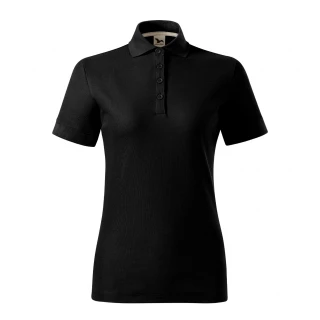
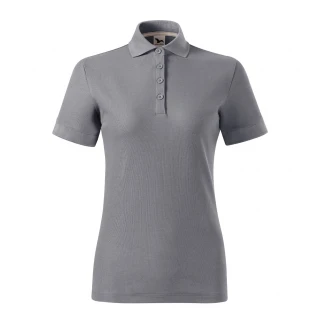
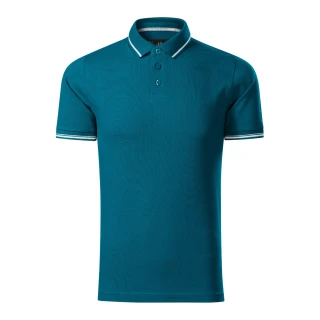
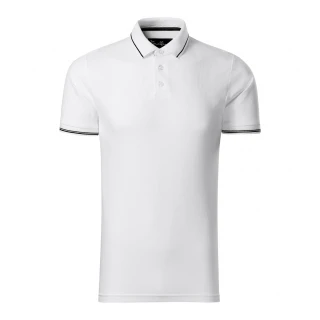
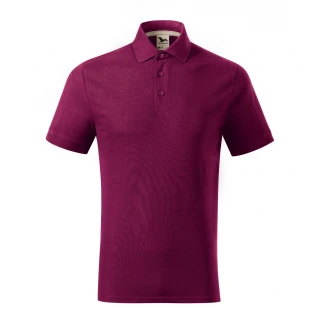
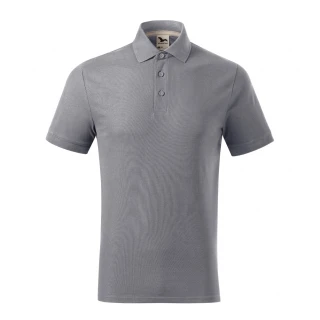
How to choose custom polo shirts by context
The right style depends on how the polo shirt will be used. For staff and ongoing settings it pays to prioritise fabric, fit and how well the personalisation lasts; for events and seasonal promotions, lightness and immediacy matter more.
- Exhibitions and events – the polo shirt makes staff easy to spot while keeping a smart, professional look.
- Retail and points of sale – a coordinated polo shirt supports a professional, well-kept staff image.
- Front-of-house and hospitality – the collar and buttons give a more formal look than a t-shirt.
- Seasonal promotions – short-sleeve styles suit summer, long-sleeve styles the cooler months.
- Welcome kits and regular staff orders – the polo shirt can be paired with promotional products, bags and coordinated packaging.
Polo shirt styles, fabrics and techniques compared
The table below sums up the main practical differences between polo shirt types, to help you choose by fabric, technique, season and intended use.
| Polo shirt type | Characteristics | Recommended techniques | Season / use | Ideal setting |
|---|---|---|---|---|
| Cotton piqué | Waffle-like weave, structured and hard-wearing | Embroidery, screen printing | All year / ongoing | Staff, front-of-house, retail |
| Cotton jersey | Smooth and soft, maximum comfort | Screen printing, digital printing | All year / high-volume use | Events, merchandise |
| Cotton-polyester blend | Practical, stable and durable over time | Embroidery, screen printing | All year / frequent use | Ongoing supply, light uniforms |
| Long-sleeve | More formal look and extra cover | Embroidery | Cooler months | Hospitality, showrooms, autumn-winter |
The final result depends on fabric composition, garment quality, logo position, wash frequency and the personalisation technique selected.
Choosing the fabric before you order
The fabric affects comfort, garment life and how well the personalisation holds, so it should match real-world use, wash frequency and the image you want to project.
- Frequent use and heavy washing – cotton piqué or a cotton-polyester blend are more stable over time.
- Comfort and lightness – cotton jersey is the better choice.
- A smart, professional image – cotton piqué remains the benchmark for staff and retail.
- Season and use – short sleeves for year-round use, long sleeves for cooler months and more formal settings.
Personalisation techniques for polo shirts
The technique depends on the fabric, the logo position, the order quantity and the result you want. On a polo shirt, a small chest logo calls for different choices than large artwork across the back.
- Embroidery – a premium, long-lasting option, particularly suited to polo shirts and especially to chest logos and lettering.
- Screen printing – ideal for solid-colour logos and medium-to-large runs.
- Direct-to-garment (digital) printing – useful for more detailed, multicolour artwork on compatible garments.
Matching fabric, logo position and technique improves how clearly the logo reads and makes the order better suited to real-world use.
When custom polo shirts make the difference
A custom polo shirt works when the brand needs to be recognisable in a smart, professional way. It performs in settings where staff are in direct contact with customers, visitors or partners.
At a trade show a coordinated polo shirt makes the team easy to identify; in a shop it reinforces a professional image; in a welcome kit it can work alongside promotional products, bags and packaging for a more polished, memorable experience.
Custom polo shirts and coordinated branded ranges
Polo shirts are among the most widely used promotional garments: they communicate the brand in a polished way and lend themselves to repeat staff uniform orders.
As part of a coordinated branded range, polo shirts can be paired with promotional products, custom bags, custom cardboard boxes and packaging supplies. That way the logo doesn't appear on a single item, but follows the customer across several touchpoints: event, delivery, point of sale or corporate kit. To plan a project across several categories, our guide on building a coordinated branded range of promotional products, clothing and packaging can help.
Useful guides for choosing custom polo shirts
To choose fabric, technique and personalisation with more confidence, you can read more here:
- Logo printing techniques: how to choose
- Materials for custom corporate clothing: comfort and durability
Frequently asked questions about custom polo shirts
What's the difference between cotton piqué and cotton jersey polo shirts?
Piqué has a waffle-like weave that is more structured and hard-wearing, ideal for a smart, professional look; cotton jersey is smoother and softer, better when you want lightness and maximum comfort. The choice depends on the image you want to project and the intended use.
Embroidery or printing for a custom polo shirt?
Embroidery is particularly suited to polo shirts, especially for chest logos, as it gives a premium finish that withstands washing. Screen printing works for solid-colour logos and medium-to-large runs, while digital printing suits detailed or multicolour artwork. The best technique depends on the fabric, the position and the type of logo.
Are there polo shirts suitable for winter?
Yes. Alongside short-sleeve styles, ideal for the warmer season, long-sleeve polo shirts are available for a more formal look and extra cover in the cooler months.
What's the minimum order quantity?
Orders for custom polo shirts generally start from 5 units, though the minimum can vary depending on the style and the personalisation technique. The most suitable option for your order is confirmed at the quotation stage.
Do you provide a digital proof before production?
Yes. Before production we always send a free digital proof showing the logo position on the chosen polo shirt, for review and approval. Printing or embroidery only goes ahead once you confirm, so you keep control over the final result and consistency with your brand image.
Can custom polo shirts be coordinated with promotional products and packaging?
Yes. Polo shirts can be part of a coordinated branded range alongside promotional products, bags, cardboard boxes and packaging materials. This helps make the brand more recognisable at events, points of sale, welcome kits and promotional activities.
Choose the polo shirt that best fits your project: compare fabrics, styles and personalisation techniques and build a supply that is consistent with your brand image.