





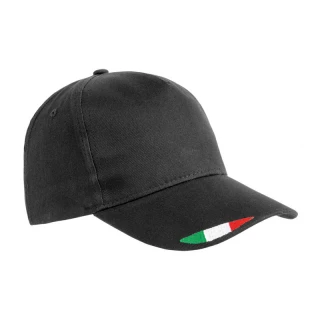
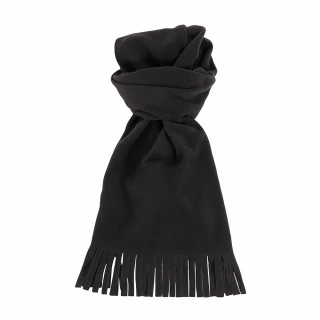
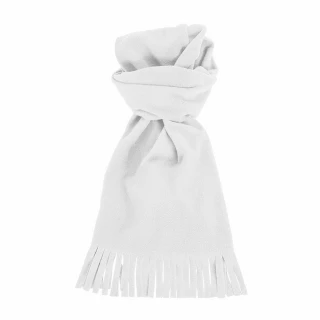
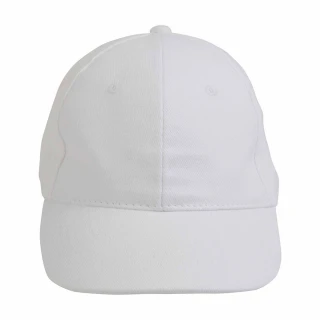
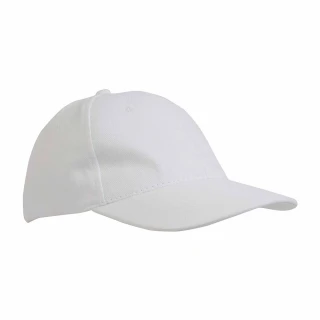

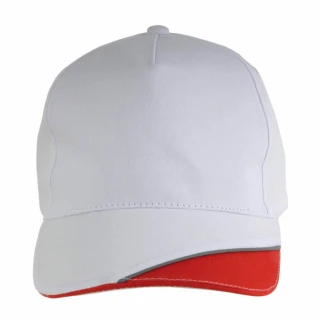
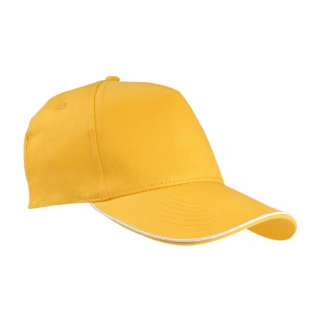
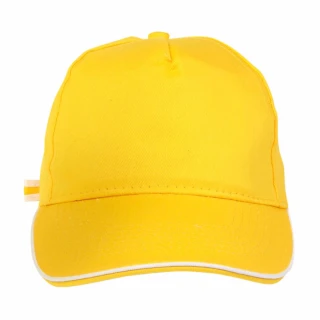
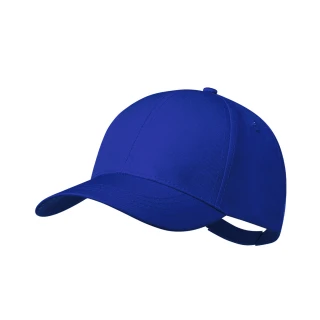
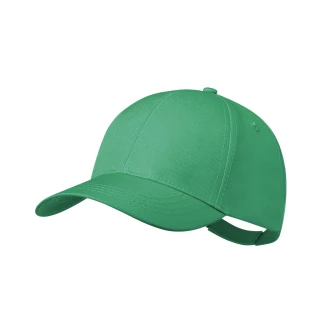
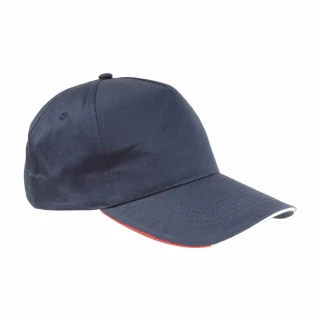
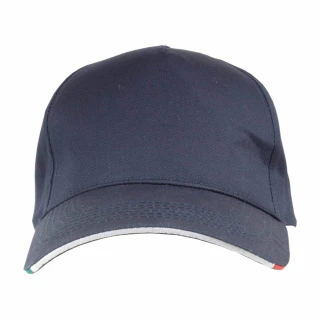
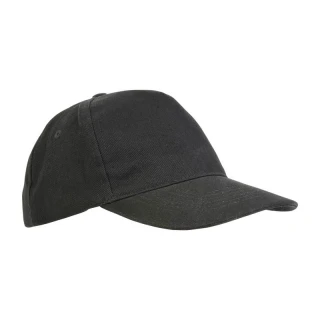

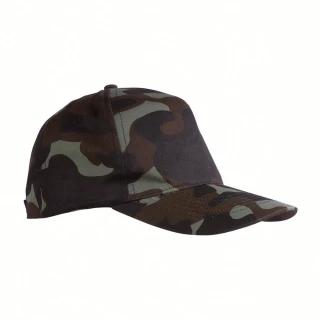
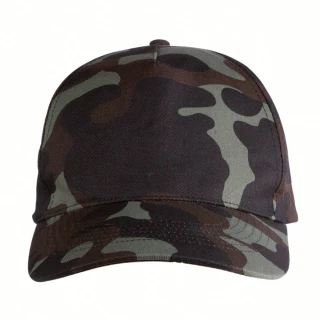
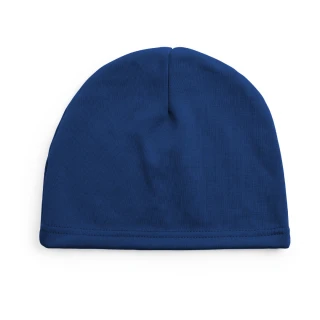
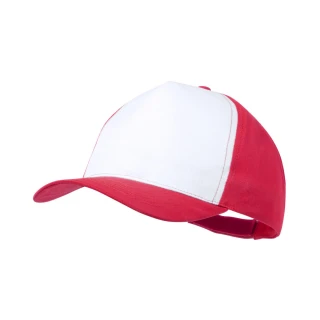
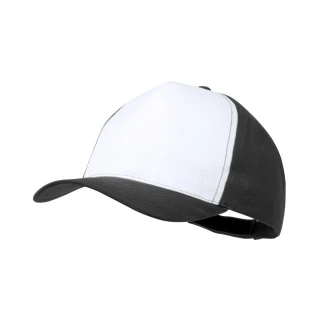
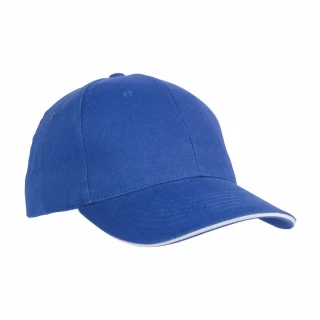
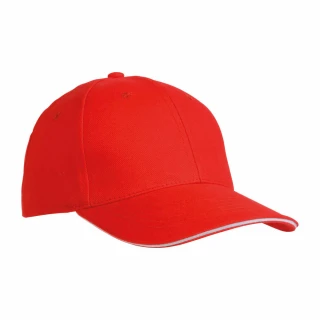

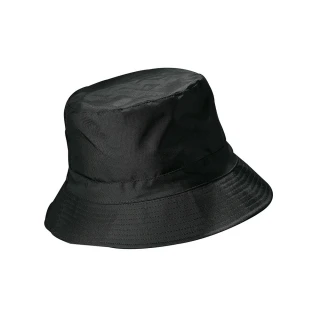
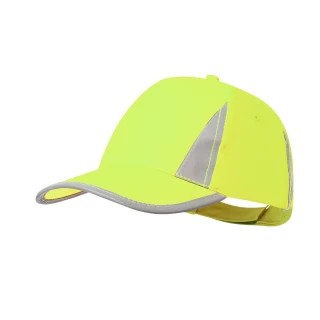

-320x320.webp "Heavy cotton brushed 5 panel cap")
-320x320.webp "Heavy cotton brushed 5 panel cap")
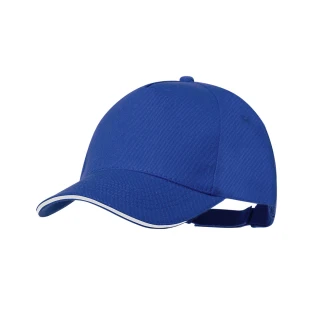
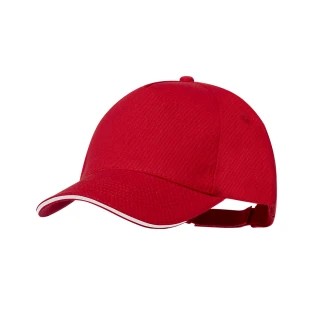
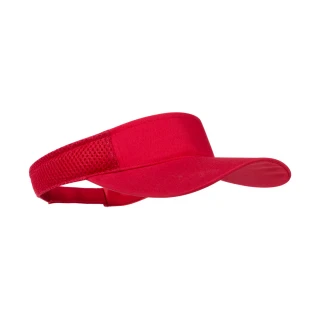
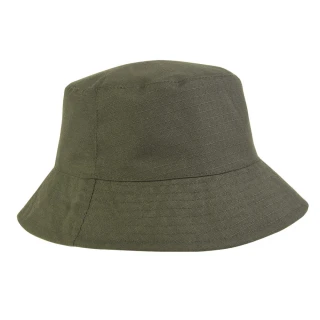
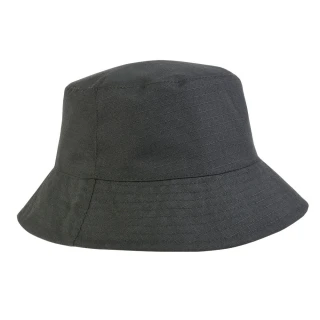
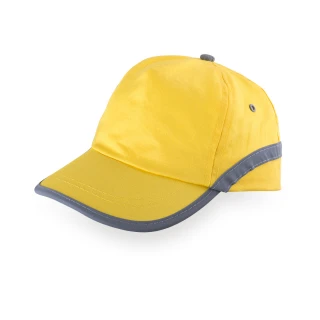
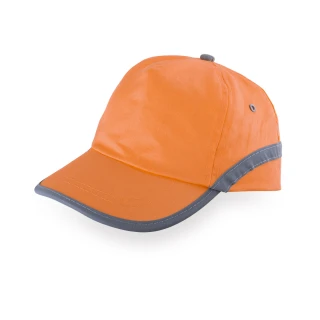
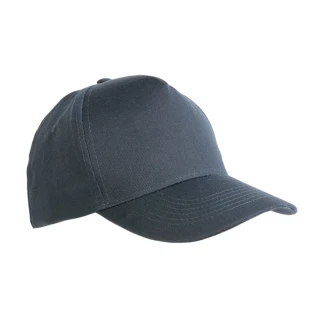
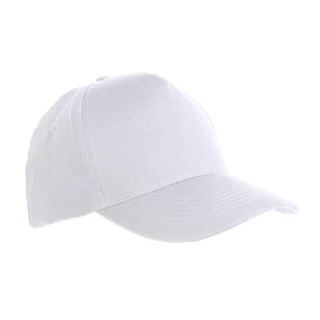
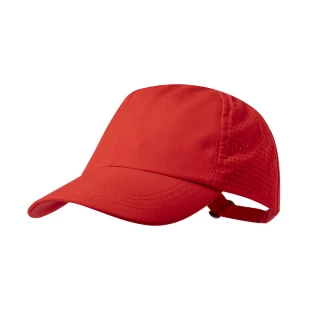
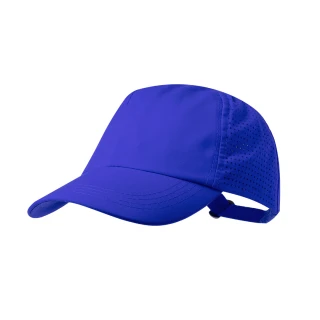
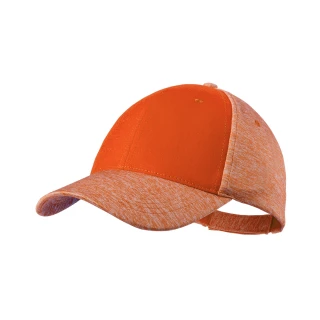
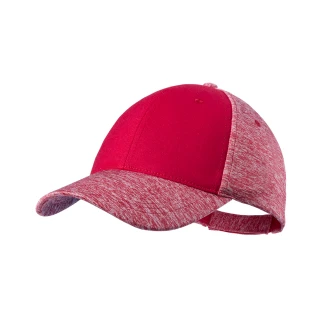
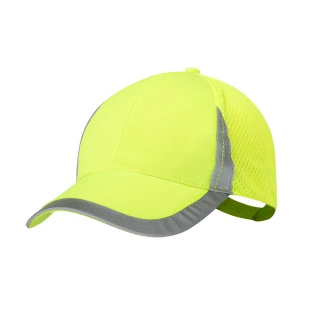
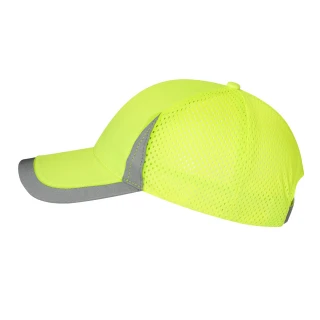
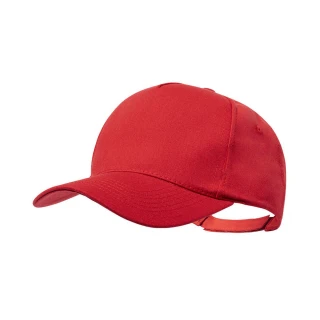

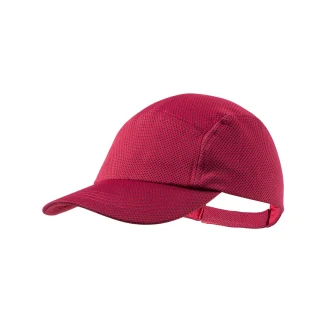
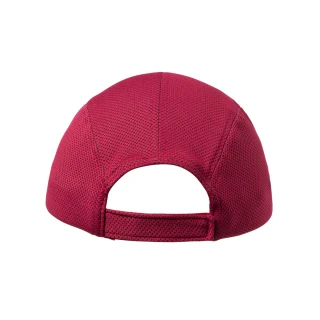
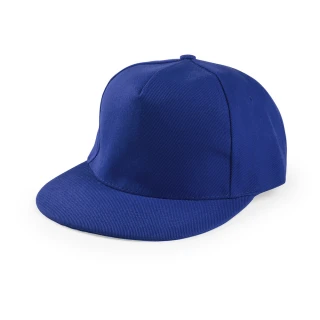
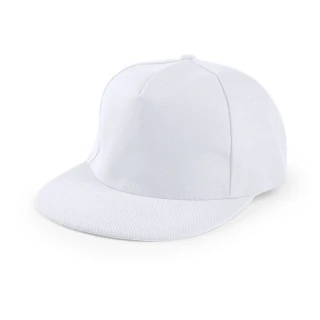
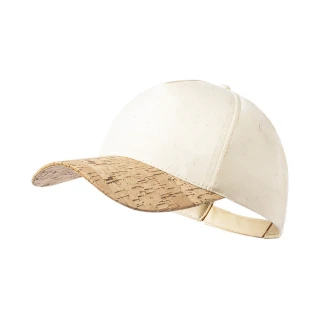
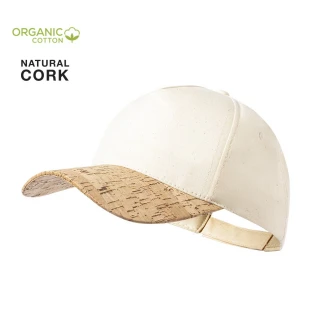
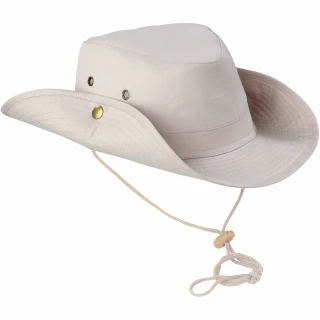

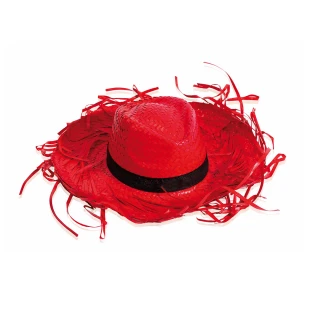
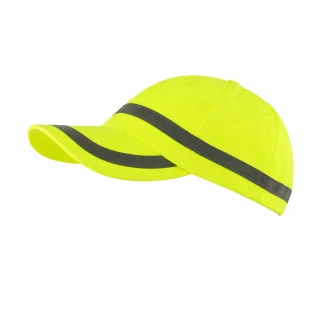
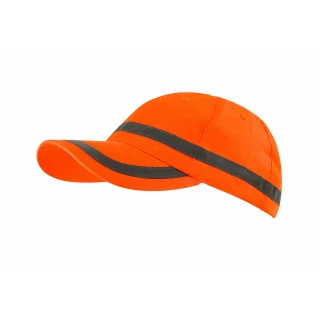
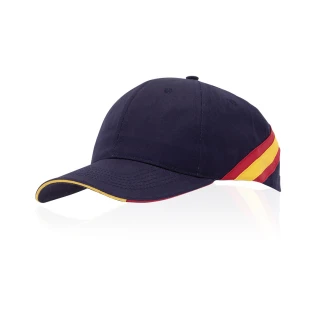

-320x320.webp "Cap WORKTEAM mod. High visibility")
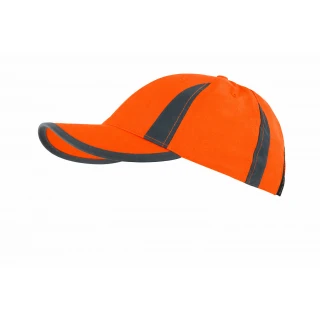
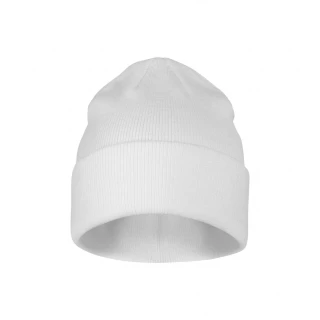
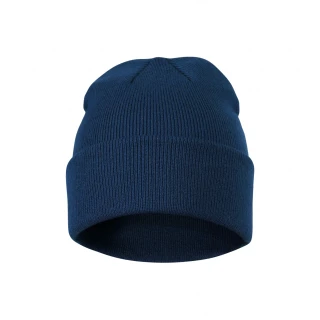
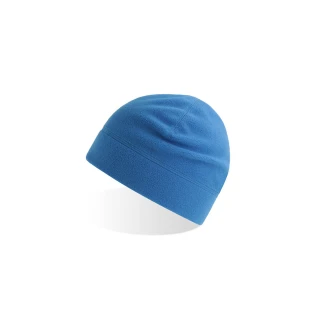
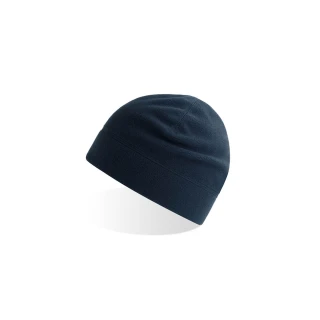
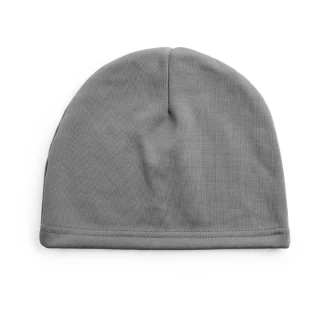
-320x320.webp "CUFFIA IN MAGLIA CON PATCH SOSTENIBILE")
-320x320.webp "CUFFIA IN MAGLIA CON PATCH SOSTENIBILE")

How to choose branded accessories by context
The right accessory depends on how it will be used. For staff uniforms, hats, caps and coordinated scarves work well; for events and sports activities, bandanas, headbands and neck warmers are practical; for winter, outdoor work and seasonal supplies, beanies and gloves in fleece, wool or thermal materials, and fleece scarves, are often more suitable.
- Retail staff, hospitality and points of sale – caps with front logo placement and coordinated scarves, branded in a visible or discreet position depending on the model, for a professional and recognisable look.
- Outdoor events and trade fairs – bandanas, headbands and lightweight caps, easy to hand out and comfortable to wear during the activity.
- Sports teams and active use – neck warmers, headbands and flexible bandanas, chosen for comfort, movement and clear brand visibility.
- Seasonal corporate supplies – winter accessories matched with sweatshirts, jackets and staff clothing, to keep the visual identity consistent in colder months.
- Welcome kits and merchandise – hats, caps and coordinated accessories selected for durability, perceived value and everyday use.
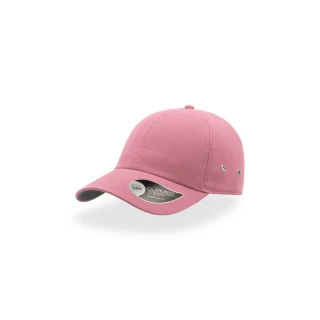
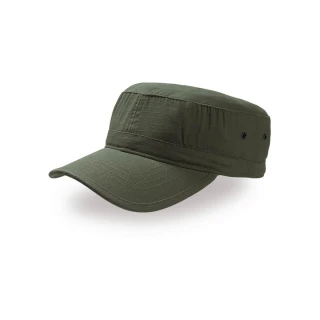
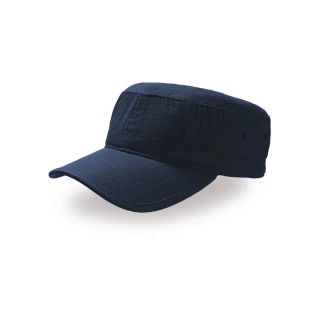
For the hats and caps family, compare baseball caps, trucker caps, snapbacks, bucket hats and beanies by use, season, material and personalisation technique before choosing the most suitable model.
Comparison of branded clothing accessories
The table below compares the main accessory families by function, material, branding technique and ideal use, helping you choose the right product for staff, events, sport or seasonal merchandise.
| Accessory | Main function | Typical materials | Suitable techniques | Season / use | Ideal context |
|---|---|---|---|---|---|
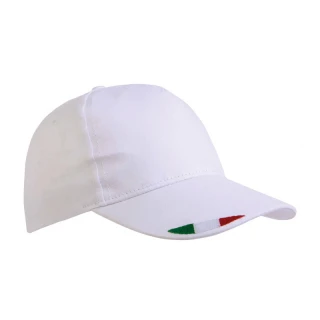
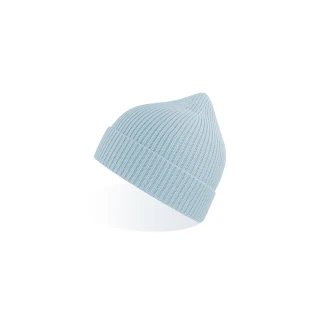
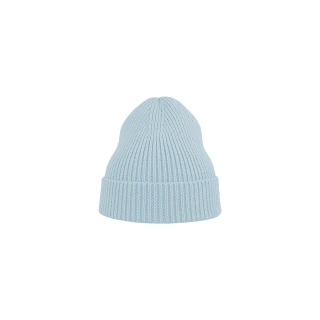
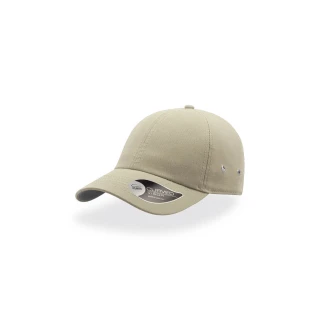
| Hats and caps | Brand visibility and light head covering | Cotton, cotton-polyester blends, acrylic, mesh | Embroidery, raised embroidery, patches or transfer on compatible styles | All year round | Staff, events, merchandise, sport |
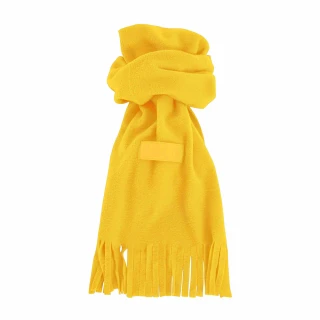
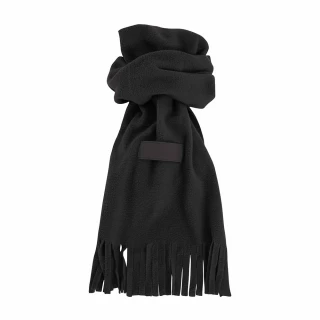
| Scarves and pashminas | Coordinated image and corporate gifting | Fleece, viscose | Embroidery, woven label, patch or compatible print | Autumn-winter | Reception, hospitality, business gifts |
| Gloves | Thermal comfort and practical use | Fleece, wool, acrylic, thermal materials or touchscreen-compatible fabrics where provided | Embroidery, label or applied patch | Winter / outdoor | Outdoor staff, logistics, seasonal campaigns |
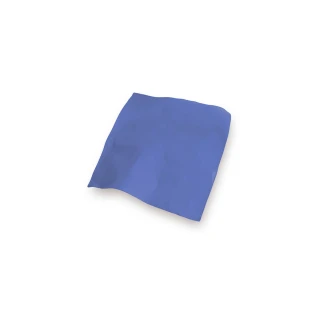
| Bandanas and headbands | Lightweight visibility and team identity | Polyester, cotton, microfibre, stretch fabrics | Screen printing, transfer, DTF or compatible print | Spring-summer / events | Sports events, promotions, outdoor trade fairs |
| Neck warmers | Protection and comfort during movement | Fleece, breathable microfibre, technical fabrics | Transfer, DTF, print or label depending on the model | Autumn-winter / sport | Sports teams, outdoor work, mobile staff |
The final result depends on the material composition, accessory structure, available branding area, logo position and personalisation technique selected. Availability, sizes and materials for each model are shown in the relevant product sheet.
Materials: cotton, fleece, viscose, wool, microfibre and technical fabrics
Depending on the accessory, the category may include cotton or blends, acrylic, wool, fleece, viscose, microfibre and technical fabrics. Cotton and blends are common on caps, headbands and lightweight accessories; fleece and viscose are the reference for scarves and pashminas; acrylic, wool, fleece and thermal materials may be more suitable for gloves, beanies and neck warmers for colder seasons. The composition of each accessory should always be checked in the product sheet, as it affects comfort, logo finish and the suitable personalisation technique.
Material choice is not only aesthetic. A summer cap and a winter beanie solve different needs, just as a lightweight bandana and a fleece neck warmer are made for different settings. Starting from the real use is the safest way to create a coherent and durable branded supply.
Embroidery, print, transfer and DTF on accessories
Embroidery is often the most suitable choice for branded hats, caps, gloves and scarves, especially for small or medium-sized logos. It gives a tidy, durable and high-perceived-value result, making it appropriate for accessories intended for frequent use.
Screen printing, transfer and DTF can be considered for bandanas, headbands, neck warmers and compatible textile accessories, especially when the artwork is colourful or more detailed. The technique must always be checked against the material, available branding area, elasticity and artwork complexity.
On technical, elastic or small-surface accessories, branding needs particular care. Artwork that is too large, a position over seams or a logo that is not proportionate to the accessory can reduce the final quality. That is why the free artwork proof before production is essential.
Logo position on hats, scarves and accessories
Logo position changes how the accessory communicates. On a cap or hat, the front is the main branding area, while the side, back and visor can be useful for secondary details. On scarves and neck warmers, the logo can sit at the ends or in a discreet corner. On bandanas and headbands, both a single logo and wider graphic layouts can work, depending on the product.
- Front of cap or hat – the most visible area, ideal for the main logo.
- Side or back of cap – useful for sponsors, short claims or secondary branding details.
- Ends of scarves and neck warmers – an elegant and discreet position for the brand mark.
- Surface of bandanas and headbands – suitable for a single logo, repeated pattern or wider coordinated graphic.
Mistakes to avoid when choosing branded accessories
The main risk is treating the accessory as an isolated purchase, without considering its real use and how it fits with the rest of the order. A summer cap for a winter event, the wrong technique for the material or a poorly positioned logo can reduce the effectiveness of the whole project.
- Ignoring the season – the accessory must suit the climate, setting and duration of use.
- Choosing an incompatible technique – embroidery, print, transfer and patches do not work in the same way on every material.
- Using artwork that is too large – on hats and accessories, the logo must respect the available surface, seams and structure.
- Forgetting the coordinated look – accessories perform best when colours and logo match the main garments and staff uniform.
- Skipping the artwork proof – the proof helps check proportions, position and consistency before production starts.
Accessories in a coordinated corporate supply
Accessories are particularly effective when they complete a wider system. In a coordinated order, they can work with the rest of the staff clothing and extend the same visual identity to promotional products, custom shopping bags, custom cardboard boxes and packaging supplies, especially for events, staff kits, welcome packs, branded merchandise and seasonal campaigns.
Planning accessories together with the rest of the supply, rather than adding them at the last minute, is what turns a small detail into a consistent and memorable branding element.
Frequently asked questions about branded accessories
Which clothing accessories can I brand with my logo?
The category includes hats and caps, scarves and pashminas, gloves, bandanas, headbands and neck warmers. Each accessory can carry your logo for staff uniforms, events, sport, merchandise or coordinated corporate supplies, with the availability of each model shown in the relevant product sheet.
Which branding technique is best for hats and accessories?
Embroidery is often the most suitable technique for hats, caps, gloves and scarves because it gives a tidy and durable result. Screen printing and transfer work well for bandanas and headbands; for multicolour or more detailed artwork, transfer, DTF or printing on compatible materials may be used. The technique is selected according to material, surface and artwork complexity.
Which materials are available for personalised accessories?
Depending on the accessory, the category may include cotton and blends, acrylic, wool, fleece, viscose and microfibre. Cotton and blends are breathable and suitable for warmer seasons; acrylic, wool and thermal materials are more suitable for colder weather; fleece and viscose are the reference for scarves and pashminas; fleece and microfibre combine lightness and comfort on sports and outdoor accessories. The composition of each accessory should always be checked in the product sheet.
Where should the logo go on a cap, hat or scarf?
On a cap or hat, the front is the main branding area, while the side, back and visor can be useful for details or sponsors. On scarves and neck warmers, the logo can be placed discreetly at the ends, while bandanas and headbands can work with either a single logo or wider graphic layouts.
Can I choose the colour of my branded accessories?
Yes. Many models are available in several colours, so the accessory can match the colours of your brand, event or staff uniform. The available colour combinations for each model are shown in the relevant product sheet.
Can accessories be coordinated with the rest of the uniform or order?
Yes. This is one of their main strengths: hats, caps, scarves, gloves, bandanas and neck warmers work best when colours and logo are aligned with sweatshirts, jackets, polo shirts and other staff garments, as well as with promotional products and packaging. Treating them as part of one system makes the whole supply more recognisable.
Do I receive a free artwork proof before production?
Yes. Before production, we send a free artwork proof showing the logo position on the chosen accessory. Embroidery, print, patch or transfer production starts only after customer approval.
With Shop for Shop, you can choose branded hats, caps, scarves, gloves, bandanas and neck warmers according to season, use, material and logo position. Our support helps you select the most suitable accessory, the safest personalisation technique and a combination that fits the rest of your corporate clothing supply.