


How to choose bandanas and headbands by context
The main contexts of use help you narrow down the right style:
- Sporting events and active teams – stretch tube and multifunctional bandanas, light and comfortable on the move.
- Trade fairs, open days and promotions – triangular and square bandanas, easy to hand out and suited to clearly legible logos.
- Outdoor, tourism and seasonal activities – polyester, cotton or blended styles, chosen for climate, durability and frequency of use.
- Outdoor staff in cooler seasons – ear-warmer headbands and bandana caps, personalised on a stable, visible area.
- Merchandise and welcome kits – bandanas coordinated with hats, t-shirts, tank tops, shopping bags and gadgets for a recognisable, useful set.
Comparing the main bandana and headband styles
The table below summarises the practical differences between the most common styles, to help you choose by function, material, technique and context of use.
| Style | Main function | Materials to check | Suitable techniques | Season / use | Ideal context |
|---|---|---|---|---|---|
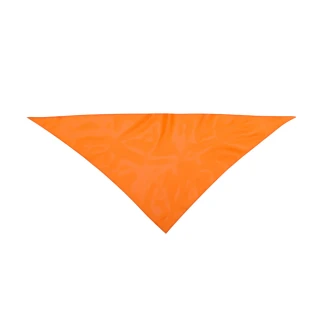
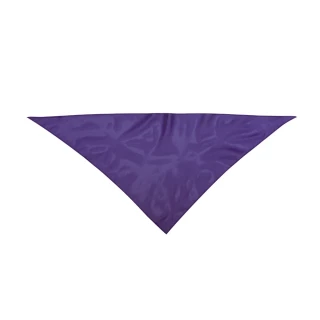
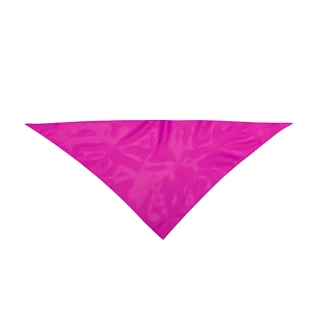
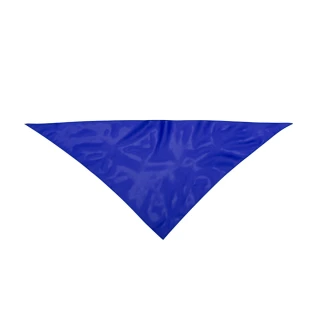
| Triangular bandana | Simple hand-outs and high visibility | Polyester (reinforced stitching) | Screen printing, digital printing, transfer | Spring-summer / events | Open days, rallies, promotions, sport |
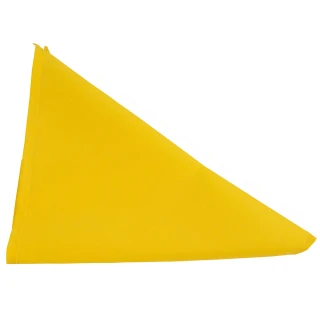
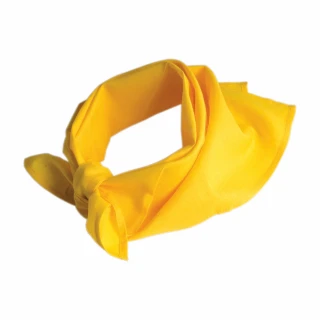
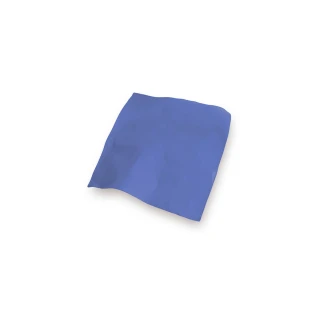
| Square bandana (kerchief) | Coordinated image and tidy artwork | Cotton, poly-cotton | Screen printing, digital printing, transfer | All year | Staff, reception, merchandise |
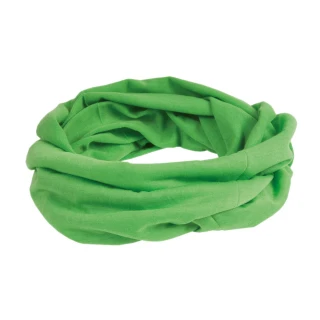
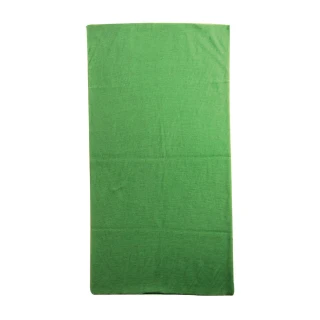
| Tube / multifunctional bandana | Comfort on the move and versatile use | Polyester/elastane, microfibre | Digital printing, transfer, DTF on suitable items | Sport / outdoor | Sports teams, active use, outdoor |
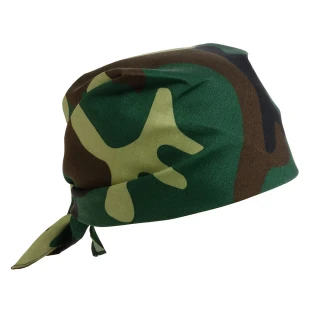
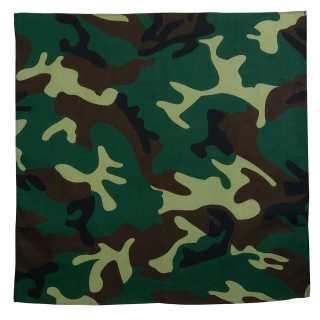
| Camouflage bandana | Distinctive style and standout kit | Polyester | Digital printing, transfer | Spring-summer / outdoor | Themed events, outdoor activities |
| Extra-large bandana | Extended artwork and standout impact | Polyester (reinforced stitching) | Digital printing, screen printing on a large area | Events / promotions | High-visibility campaigns, merchandise |
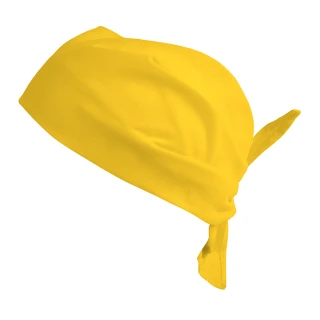
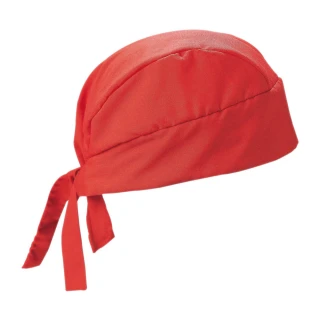
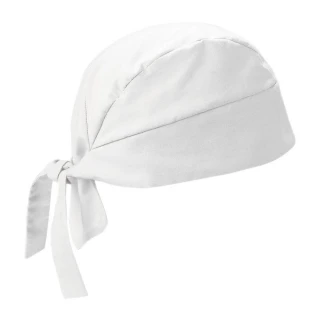
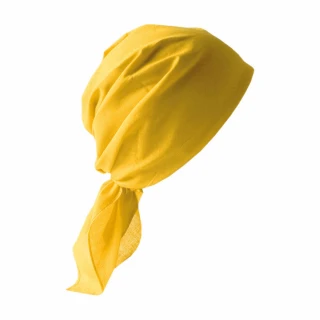
| Bandana cap | Light head covering and promotional style | Polyester and cotton | Print or transfer on a suitable area | Outdoor / events | Summer promotions, outdoor activities |
| Ear-warmer headband | Light protection and seasonal branding | Fleece | Custom label, transfer on a stable area | Autumn-winter / outdoor | Outdoor staff, sport, light logistics |
The final result depends on the composition, stretch and structure of the item, the available surface, logo position and the chosen technique. Availability, sizes and materials for each model are shown on the relevant product page.
Materials: cotton, polyester, stretch fabrics, microfibre and fleece
Bandanas and headbands can be made from different materials depending on the model. Cotton gives a natural look and suits square bandanas and kerchiefs for events, merchandise and coordinated supplies. Polyester is light, practical and common on triangular, camouflage and extra-large bandanas and on promotional, sports and outdoor accessories. Poly-cotton blends combine practicality with a softer feel.
Tube and multifunctional bandanas often use stretch fabrics (polyester/elastane) and microfibre, useful when the accessory needs to move with the wearer and stay breathable. Ear-warmer headbands instead use warmer materials such as fleece, made for cooler seasons and outdoor use. The actual composition of each item should always be confirmed on the product page, as it affects comfort, stretch, season of use and personalisation technique.
Screen printing, digital printing, transfer and DTF: techniques for bandanas and headbands
The technique depends on the material, available area, stretch and logo complexity. Screen printing suits simple logos and solid colours on suitable items; digital printing handles more complex or multicolour artwork; on polyester and microfibre, where the model allows, dye sublimation gives extended prints across much of the surface (to be confirmed on the product page); transfer and DTF are options when detail and definition are needed on suitable materials.
On some models, such as ear-warmer headbands, a custom label is applied to a stable area; embroidery remains possible where the material and structure allow, while it is less suited to the thin, stretchy body of classic bandanas. The choice always depends on material, stretch, usable area and artwork complexity.
On tube bandanas, stretch fabrics or headbands with a small surface, the artwork must be proportionate: a print that is too large, a position over seams or a technique that doesn't suit the material can reduce comfort and final quality. An artwork proof before production lets you check size, position and legibility.
Logo position on bandanas and headbands
The logo position changes how the accessory communicates. On a triangular bandana the logo can be centred or placed where it stays visible once knotted. On square bandanas and kerchiefs both a single logo and wider patterns work well. On tubes and ear-warmer headbands it's best to assess the area that stays front or side facing while worn.
- Single logo – a clean solution for staff, coordinated supplies and tidier accessories.
- Repeated logo or pattern – useful for events, merchandise and high-visibility campaigns, especially on triangular and extra-large bandanas.
- Front or side area – recommended on tubes and headbands, where the item shifts position when worn.
- Corner of the kerchief – a discreet, tidy position, suited to a more institutional accessory.
Mistakes to avoid when choosing personalised bandanas and headbands
The main risk is treating a bandana or headband as a generic giveaway, without assessing material, way of wearing and logo legibility. An accessory worn on the head or neck needs to be comfortable, suited to the season and proportionate to the artwork.
- Choosing the model on price alone – a sport bandana, a staff bandana and a merchandise bandana may need different builds.
- Ignoring stretch and seams – on tubes and headbands the artwork must respect movement and technical areas.
- Using logos that are too small or too large – the size must stay legible without compromising comfort and fit.
- Not coordinating colours – bandana, hat, t-shirt or shopping bag should work together in the event's visual identity.
- Skipping the artwork proof – the logo mock-up prevents position, proportion and colour-contrast errors.
Bandanas and headbands in a coordinated company supply
Bandanas and headbands work best when designed as part of a system. For sporting events, fairs and outdoor use they can coordinate with t-shirts, tank tops and hats and caps; for staff and cooler-season activities they pair with sweatshirts and fleeces, jackets and gilets and neck warmers. In tidier settings they complete polo shirts and shirts with a recognisable yet light detail.
The same logic extends beyond clothing: an event campaign can include promotional gadgets, custom shopping bags, custom cardboard boxes and custom packaging, so that delivery, hand-outs and brand image stay consistent at every touchpoint.
Frequently asked questions about personalised bandanas and headbands
What types of bandanas and headbands can I choose?
The category includes triangular bandanas, square bandanas and kerchiefs, tube and multifunctional bandanas, camouflage bandanas, extra-large bandanas, bandana caps and ear-warmer headbands. Each style has a different shape, function and personalisation surface: availability, sizes and composition for each item should always be checked on the product page.
Which technique is best for personalising bandanas and headbands?
Screen printing, digital printing, transfer and DTF on suitable items are usually the best options: screen printing handles simple logos and solid colours, while digital printing suits more complex or multicolour artwork. On some models, such as ear-warmer headbands, a custom label is applied on a stable area. The choice depends on material, stretch, usable area and artwork complexity.
Which materials are available for personalised bandanas and headbands?
Depending on the model, options can include cotton, polyester, poly-cotton, stretch fabrics (polyester/elastane), microfibre and warmer materials such as fleece for ear-warmer headbands. The material affects comfort, stretch, season of use and personalisation technique, so it should be confirmed on the page of the chosen product.
Where should the logo go on a bandana or headband?
On bandanas and kerchiefs the logo can be placed in a corner, centred or repeated as coordinated artwork, depending on how the accessory is worn. On tubes and ear-warmer headbands it's best to use the area that stays most visible while worn, avoiding seams, overly stretchy zones or surfaces unsuited to printing.
Are bandanas and headbands suitable for sporting events and the outdoors?
Yes. Bandanas and headbands work well at sporting events, outdoor activities, rallies, open days, outdoor fairs and seasonal promotions, because they are light, easy to hand out and highly visible when colours and logo match the brand's identity.
Can I coordinate bandanas and headbands with hats, t-shirts and other items?
Yes. Bandanas and headbands are at their best when designed alongside hats, t-shirts, tank tops, polo shirts, sweatshirts, jackets and the other accessories in the same supply. Coordinating colours, logo position and technique makes the team more recognisable and the campaign more consistent.
Is an artwork proof provided before production?
Yes. Before production we send a free artwork proof showing the logo position on the chosen bandana or headband. Printing, transfer, DTF or other techniques start only after your approval.
With Shop for Shop you can choose triangular, tube, camouflage and extra-large bandanas, bandana caps and ear-warmer headbands, personalised by use, season, material and logo position. Our team helps you find the right model, the safest personalisation technique and a combination that fits the rest of your company supply.