

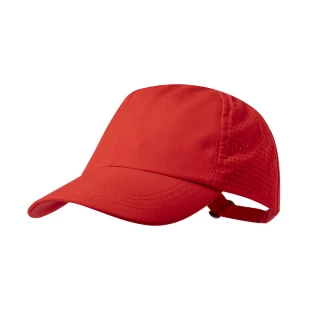
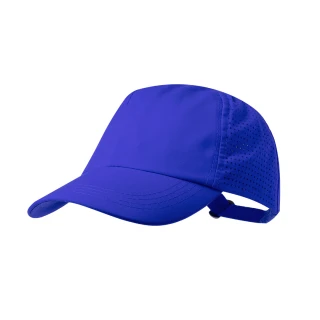
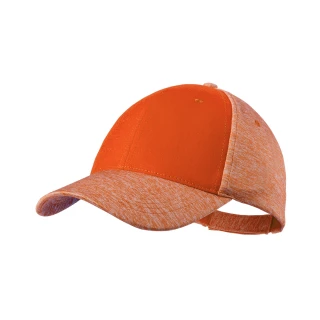
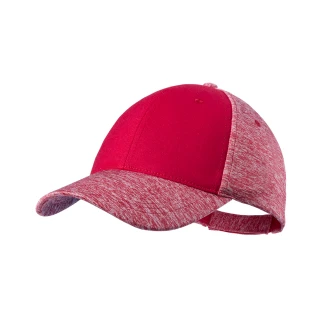
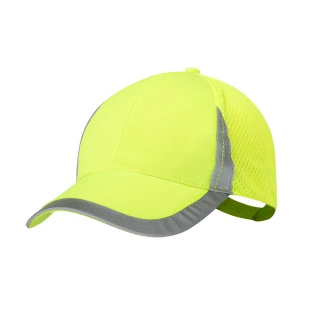
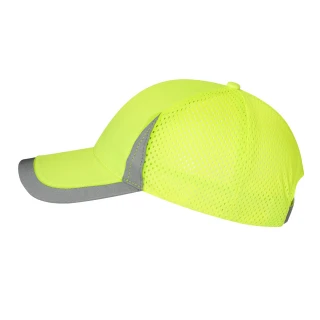
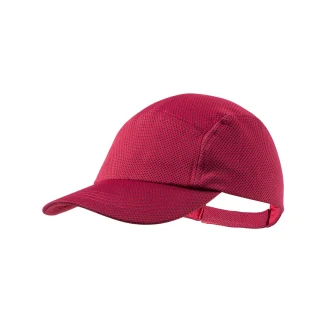
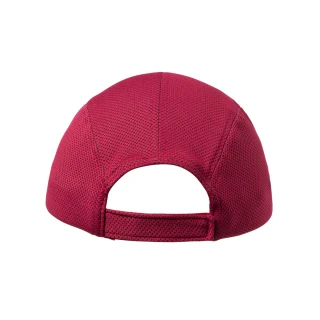
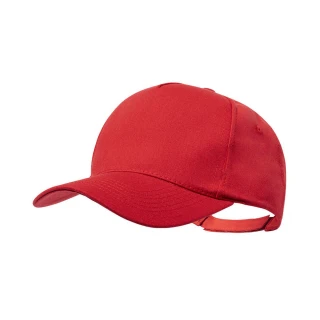

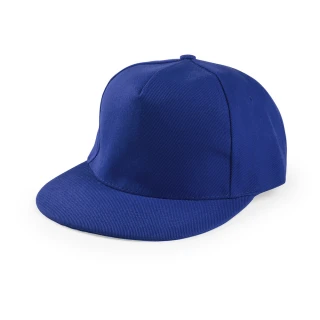
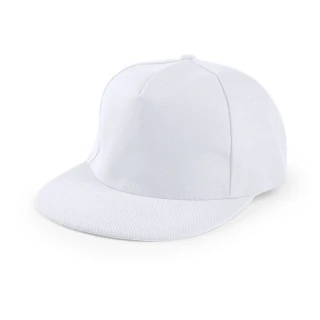
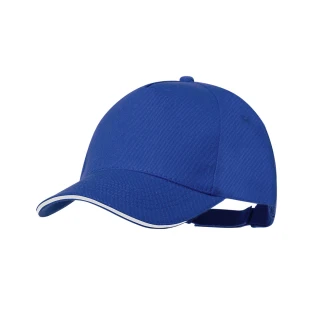
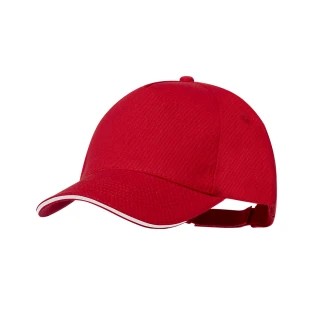
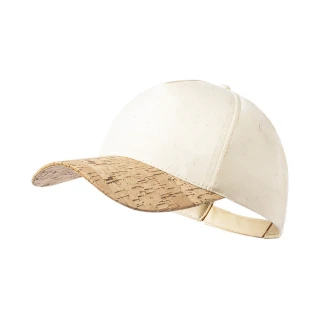
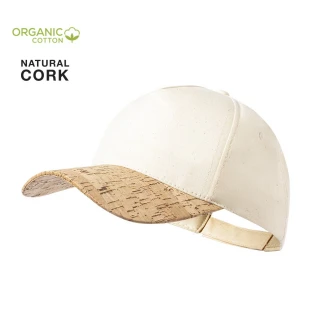
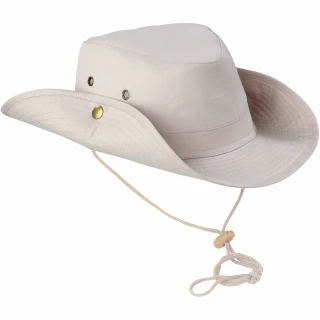

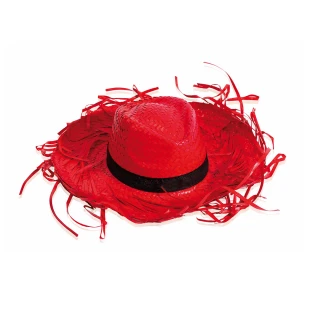
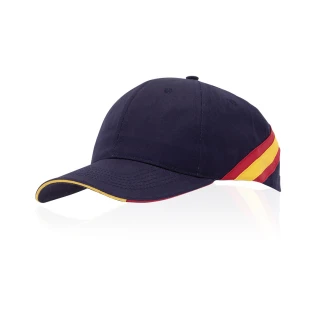

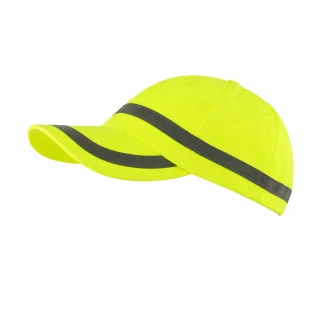
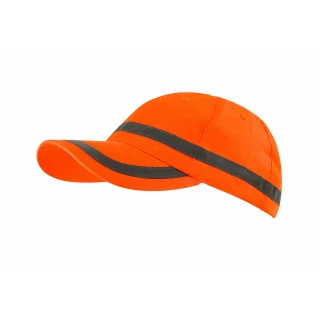
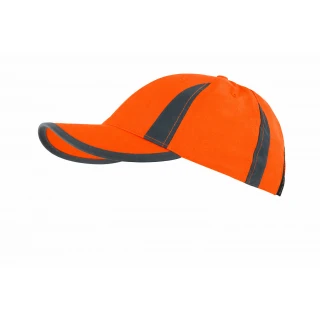
-320x320.webp "Cap WORKTEAM mod. High visibility")
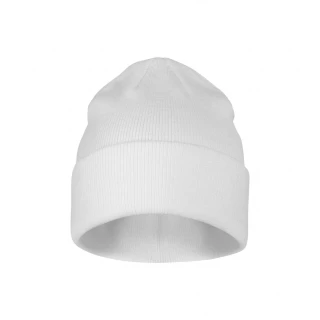
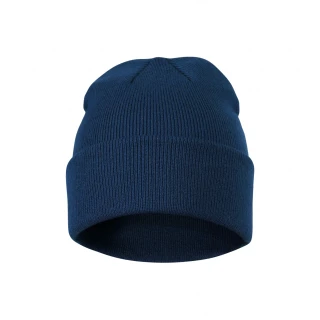
-320x320.webp "CUFFIA IN MAGLIA CON PATCH SOSTENIBILE")
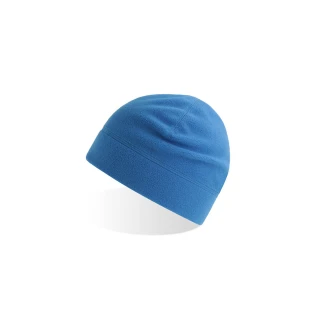
-320x320.webp "CUFFIA IN MAGLIA CON PATCH SOSTENIBILE")
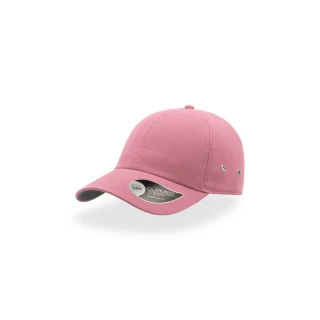
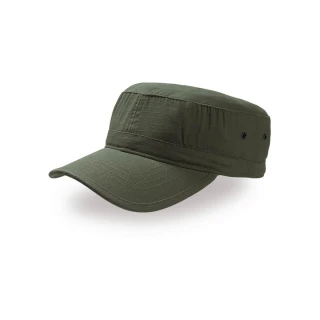
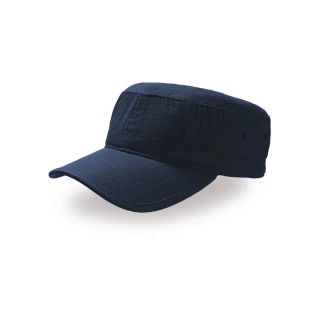
How to choose a personalised cap for the setting
The right cap depends on how it will be used. Baseball caps and understated embroidered styles work well for staff and uniforms; trucker, snapback and bucket styles suit events and promotional activities; beanies and winter styles are better for cold weather and outdoor use. The closure matters too: many caps for businesses and events are adjustable, with a buckle, hook-and-loop or snapback fastening where the style allows, a practical option for bulk orders because one size fits different heads without managing multiple sizes; the configuration of each item should be checked on the product page.
- Staff and retail – baseball caps and understated styles with a front embroidered logo, in colours matching the uniform, for recognition and a professional image.
- Outdoor events, trade fairs and merchandise – trucker, snapback and bucket styles, easy to hand out and to wear, even in bright colours to stand out.
- Sports and leisure – visors and lightweight, breathable styles, comfortable on the move.
- Seasonal corporate supplies – beanies and winter styles paired with sweatshirts, jackets and other uniform items, to keep a consistent look through the cold months.
- Welcome kits and gifts – caps coordinated with the rest of the supply, chosen for durability and a higher perceived quality than lightweight giveaways.
To find your way around the styles, our guide to personalised caps helps compare baseball, trucker, snapback, bucket and winter styles by use, season, material and decoration technique.
Comparing the cap styles available
The table below summarises the practical differences between the main cap styles in the range, to guide your choice by feature, material, technique and setting.
| Style | Feature | Typical materials | Suitable techniques | Season / use | Ideal setting |
|---|---|---|---|---|---|
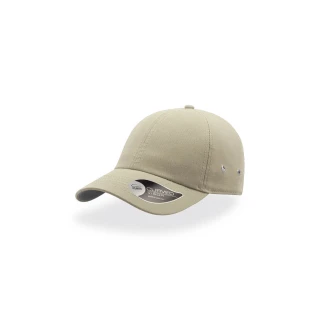
| Baseball 5/6 panel | Structured (6) or soft (5) crown, curved peak | Cotton, cotton-polyester blend | Embroidery, 3D embroidery, transfer on suitable styles | All year | Staff, uniforms, events, merchandise |
| Trucker | Fabric front, breathable mesh back | Cotton/polyester, polyester mesh | Embroidery, applied patch, transfer | Spring/summer | Events, summer activities, merchandise |
| Snapback | Flat peak, adjustable snap closure | Cotton, cotton-polyester blend | Embroidery, 3D embroidery, patch | All year | Promotions, younger and urban settings |
| Bucket hat | All-round brim, soft crown | Cotton, polyester, light blends | Embroidery, transfer, print on suitable area | Spring/summer / events | Outdoor events, promotional activities |
| Visor | Peak only, no crown | Cotton, polyester, technical fabrics | Embroidery, transfer on suitable area | Summer / sport | Sports, summer events |
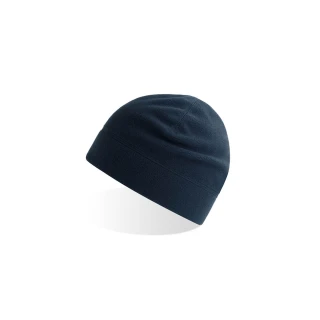
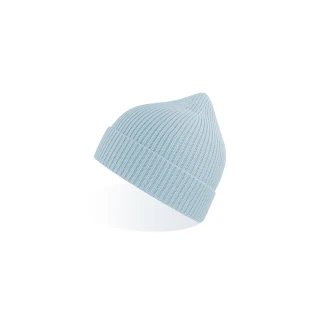
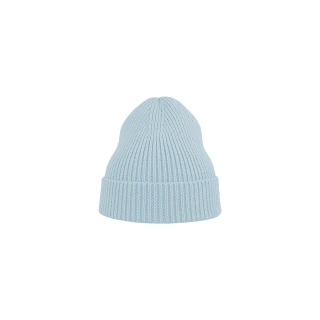
| Winter / beanie | Warm, snug crown | Acrylic, wool or winter blends | Embroidery, applied patch | Autumn/winter / outdoor | Outdoor staff, outdoor use, winter merchandise |
The final result depends on the composition and structure of the cap, the area available, the logo placement and the chosen decoration technique. The availability and composition of each style are shown on the relevant product page.
Materials: from cotton and blends to winter fabrics
Depending on the style, caps may be made of cotton, polyester, cotton-polyester blends and, for the cold season, acrylic, wool or warm blends. Cotton and blends are common on baseball, trucker and summer styles, where they combine good embroidery results with comfort; acrylic, wool and warm blends are typical of beanies and styles designed for outdoor use and cold months. The composition of each cap should always be checked on the product page, as it affects comfort, logo results and the decoration technique.
The choice of material is not only about looks: a summer baseball cap and a winter beanie meet different needs, just as a breathable trucker and a wool style do. Starting from the real use of the cap is the safest way to get a consistent, durable supply.
Embroidery, patches and transfer on caps: when to choose each technique
Embroidery is often the most fitting choice for personalised caps, especially on the front: it gives a neat, durable result with a high perceived value, well suited to an item worn frequently. 3D (raised) embroidery adds depth and visibility to the logo on structured styles such as baseball caps and snapbacks.
An applied patch (woven, rubber or faux leather) is an effective option on truckers and structured styles, while heat transfer and DTF can be considered for colourful or more detailed artwork on suitable styles and areas. The technique should always be assessed against material, cap structure, usable area and artwork complexity.
On a cap the usable area is small and often curved: artwork that is too large, a position over seams or a logo out of proportion can reduce the final quality. That is why an artwork proof before production is essential.
Logo placement on a cap
Logo placement changes how a cap communicates. The front is the main, most visible area; the side and back are useful for secondary details, straplines or sponsors; the peak offers extra space for small logos or coordinated artwork.
- Front – the most visible area, ideal for the main logo, in flat or 3D embroidery.
- Side – suited to small logos, initials or coordinated details.
- Back – useful for sponsors, straplines or a second mark, near the closure.
- Peak – extra space for small logos or outline artwork.
Mistakes to avoid when choosing personalised caps
The main risk is ordering "a cap with a logo" without assessing its real use and consistency with the rest of the supply. A summer style for a winter event, a technique unsuited to the structure or a poorly placed logo can all reduce the impact of the project.
- Ignoring the season – the style must suit the climate, setting and length of use.
- Choosing an unsuitable technique – not all styles and materials respond the same way to embroidery, patches or transfer.
- Using a logo that is too large – on a cap the artwork must respect the usable area, seams and crown curve.
- Overlooking coordination – a cap works best when colours and logo align with uniforms and main garments.
- Skipping a proof – a logo mock-up lets you check proportions, position and consistency before production.
Caps in a coordinated corporate supply
Caps are particularly effective when they complete a system. In a coordinated supply they work with the rest of the staff clothing and with a visual identity extended to promotional products, custom bags, cardboard boxes and packaging supplies, especially in projects involving events, corporate kits, welcome kits, merchandise or seasonal supplies.
Thinking about the cap together with the rest of the supply, rather than at the last minute, is what turns an accessory into a consistent, memorable branding element.
Frequently asked questions about personalised caps
Which personalised cap styles can I choose from?
The range includes 5 or 6-panel baseball caps, trucker caps with a mesh back, flat-peak snapbacks, bucket hats, visors and winter styles or beanies. Each style has a different fit, finish and audience: baseball caps and understated styles suit staff and uniforms, while trucker, snapback and bucket styles work well for events and merchandise. The availability of each style is shown on the relevant product page.
Which technique is best for personalising a cap?
Embroidery is often the most fitting choice, as it gives a neat, durable result; 3D embroidery adds depth to the logo on structured styles. An applied patch is effective on truckers and structured styles, while heat transfer and DTF are options for colourful or detailed artwork on suitable areas. The technique depends on the material, cap structure, usable area and artwork complexity.
Which materials are available for personalised caps?
Depending on the style, caps may be made of cotton, polyester, cotton-polyester blends and, for the cold season, acrylic, wool or winter blends. Cotton and blends are common on baseball, trucker and summer styles; acrylic, wool and warm blends are typical of beanies and winter styles. The composition of each cap should always be checked on the product page, as it affects comfort, logo results and the technique.
Where should the logo go on a cap?
The front is the main, most visible area, ideal for the logo in flat or 3D embroidery. The side and back are useful for secondary details, straplines or sponsors, while the peak offers extra space for small logos or coordinated artwork. The usable area is small and often curved, so the artwork should be scaled to the structure of the style.
Can I choose the colour of the personalised caps?
Yes, many styles are available in several colours, so you can match the cap to your brand or event colours. On some styles two-tone combinations between crown, peak and mesh are also possible. The combinations available for each style are shown on the relevant product page.
Can caps be coordinated with the rest of the uniform or supply?
Yes, and that is their strength: a cap works best when colour and logo align with polo shirts, t-shirts, sweatshirts and the other uniform items, as well as with coordinated accessories, promotional products and packaging. Treating it as part of a system, rather than a standalone purchase, makes the supply more recognisable.
Is an artwork proof provided before production?
Yes. Before production we send a free artwork proof showing the logo placement on the chosen cap. Embroidery, patches, transfer or print start only after the customer's approval.
With Shop for Shop you can choose baseball, trucker, snapback, bucket, visors and winter caps personalised by use, season, material and logo placement. Our team helps you find the most suitable style, the safest decoration technique and a combination that fits the rest of your corporate supply.