

Corporate-branded apparel isn’t just about looks. It’s a strategic investment and a powerful tool to strengthen brand identity, improve how clients perceive your team, and foster a sense of belonging among employees.
In a competitive marketplace, every detail matters—and a well-designed company logo t‑shirt can make the difference between being remembered or overlooked.
Moreover, using branded apparel strategically at events, exhibitions, or promotional activities offers free, long-lasting visibility: every person wearing your branded clothing becomes a mobile brand ambassador.
Here are 5 key steps to help you choose the right branded apparel to elevate your brand.
1. Identify the goal: promotion, team‑building or sales?
Before selecting the right garments, it’s essential to understand the true purpose of your branded apparel. Do you want to create internal unity among colleagues? Looking for a unique corporate gift for clients or partners? Or do you intend to resell the items as official brand merchandise?
Each goal dictates different choices in fabric, cut, colour and printing methods. For everyday office wear, comfortable, breathable materials are ideal. For promotional events, consider more visually striking items, perhaps as part of a limited-edition capsule collection.
2. Quality comes first
There’s nothing worse than a t‑shirt that shrinks after the first wash or a fleece that irritates the skin. Comfort is the key to success, especially if the apparel is to be worn for extended periods.
Investing in high-quality materials, such as organic cotton, durable blends or recycled polyester, also communicates sustainability and care for people.
Fit matters too: choosing unisex or generous sizing can simplify distribution and avoid dissatisfaction among wearers. In a corporate context, wearing branded apparel should feel like a privilege, not an obligation.
3. Selecting the garment type: t‑shirt, sweatshirt, polo or jacket?
One of the most practical decisions is which garment type to brand. This depends on season, event type, audience and brand tone. Examples include:
- T‑shirts: versatile, affordable and perfect for summer events or outdoor campaigns. Ideal for bulk orders and customisation.
- Sweatshirts & hoodies: suitable for cooler months, offering more space for bold graphics or large logos. Convey casualness, comfort and modernity.
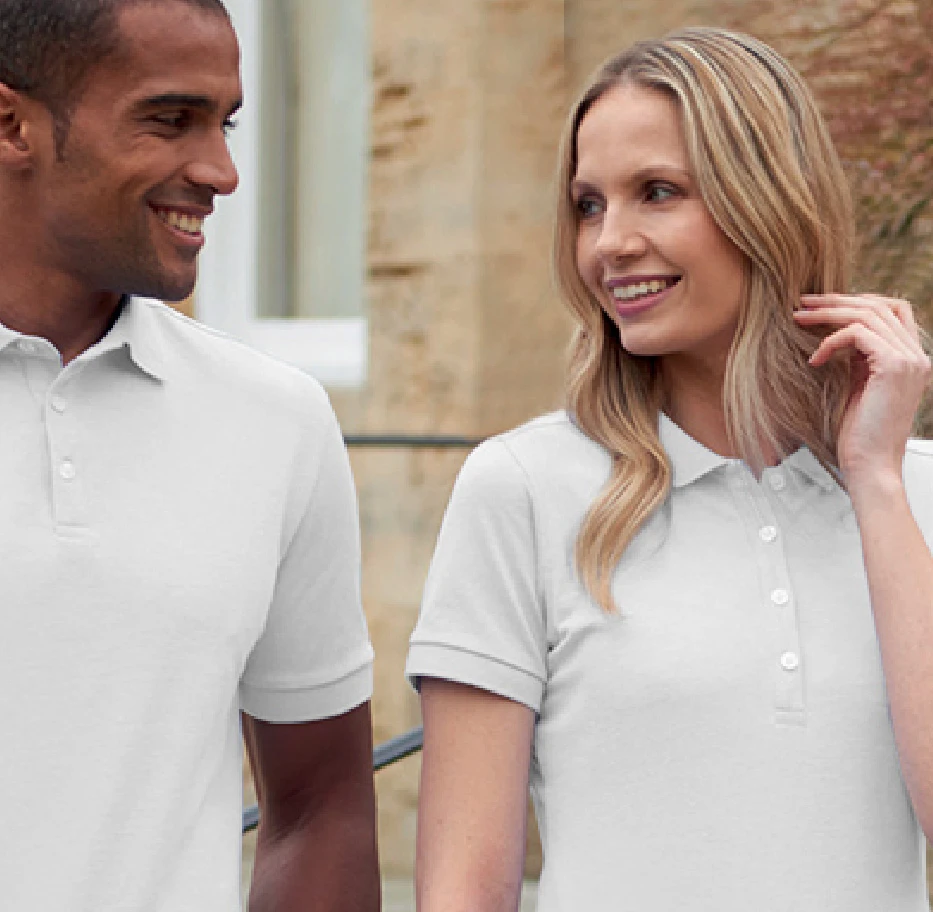
- Polos or shirts: a smart casual choice, ideal for formal corporate events or as customer-facing staff uniforms.
- Jackets & softshells: great for outdoor work environments or expo staff.
Each garment sends a different message. Choose what best reflects your company’s image and tone without compromising practicality and seasonal suitability.
4. Design importance and brand consistency
A company sweatshirt may be stylish, comfortable and well-made, but if it doesn’t reflect your visual identity, it becomes a missed opportunity. Ensure colour consistency, correct logo use, and balance between appearance and message.
There’s no need to clutter garments with slogans: a well-placed detail, like a small chest logo, a phrase inside the collar, or a colour from your brand palette, can elevate the garment into a simple yet effective communication tool.
5. Customisation techniques: printing, embroidery or patches?
Not all branding methods have the same impact. Screen printing is perfect for large runs and simple logos. Embroidery delivers a premium, long-lasting look. Heat-applied patches and digital transfers offer flexibility and creative freedom, even in small batches.
Your choice depends on how long you want the garment to last, the visual impact you aim for, and, of course, your budget. An experienced consultant can help balance cost, finish quality and durability.
Case studies & inspiration: how successful companies use branded apparel
Many UK, Irish and Maltese companies use branded apparel not just for practical reasons but as a marketing lever.
- Innovative startups: use it to stand out at events with distinctive, original designs;
- Local businesses: gift branded t‑shirts with witty or heartfelt messages to foster loyalty;
- Retailers and e‑commerce brands: leverage merchandise to strengthen customer relationships and express their brand ethos.
A t‑shirt with a compelling slogan can go viral when well thought-out and aligned with company values. These examples show how branded apparel can become an authentic brand story.
How to choose the right provider for your branded apparel
Once you’ve clarified your needs, the crucial step is finding a reliable partner. The provider affects product quality, delivery times and your overall experience. Look for suppliers with proven experience, a wide and flexible range, and excellent customer support.
For example, Shop for Shop offers tailored, customisable solutions for every corporate requirement: from t‑shirts and caps to backpacks and bags. Each item can be personalised using modern, high-quality techniques that align with your professional brand image.
Get in touch to receive advice on the right product or customisation method, or request a personalised quote. We’re always here for you, including via WhatsApp.
1 Comments
Grazie per questa guida completa: l’idea di scegliere l’abbigliamento personalizzato partendo dagli obiettivi – promozione, team building o merchandising – è fondamentale. Anche la scelta di materiali di qualità e tecniche come serigrafia o ricamo può fare la differenza. Nella mia esperienza affidarsi a provider seri come Burger-print.com, Flyeralarm, o Vistaprint garantisce coerenza tra design e realtà, mentre piattaforme come Helloprint, Printfull.com o Canva.com possono essere utili per prototipi rapidi e per coinvolgere il team nella creazione del concept. In ogni caso una maglietta ben pensata diventa un potente strumento di branding e senso di appartenenza.
Leave a comment